Radio Jingles Still Work in 2026: pH Care Case Study

Belle Mariano’s pH Care jingle proves radio advertising isn’t dead in 2026.
While marketing budgets increasingly shift toward TikTok campaigns and influencer partnerships, pH Care’s decision to invest in a celebrity-backed radio jingle raises an important question for brand strategists: Is traditional radio still delivering ROI, or is this a nostalgic misallocation of marketing resources?
The pH Care Radio Strategy
pH Care, one of the Philippines’ leading feminine wash brands, launched a radio campaign featuring actress and singer Belle Mariano in 2026. The jingle plays across major FM stations during peak commute hours, targeting working women aged 25-45—a demographic that still represents significant radio listenership in Southeast Asian markets.
This isn’t a random experiment. The brand’s media buying data reveals deliberate strategic thinking: radio offers frequency at a fraction of television costs, while celebrity endorsement adds credibility to an intimate personal care category where trust matters more than virality.
Why Radio Works for Established FMCG Brands
The pH Care case demonstrates three advantages that keep radio relevant in 2026:
Captive Audience During Commutes: Despite ride-sharing apps and streaming music, millions of Filipino commuters still listen to radio. Traffic in Metro Manila averages 90 minutes daily per commuter—a guaranteed exposure window that digital ads struggle to replicate without appearing intrusive.
Cultural Integration: Radio personalities discuss the jingle, interview Belle Mariano, and create organic conversation around the product. This earned media amplifies the paid spots in ways that pre-roll ads cannot.
Audio Branding Recall: Jingles create neural pathways through repetition and melody. When consumers stand in the supermarket aisle choosing between feminine wash brands, that earworm becomes a decision-making factor. The pH Care jingle’s chorus specifically mentions the brand name four times in 30 seconds—precision targeting for recall.
The Belle Mariano Factor
Celebrity endorsement transforms a standard jingle into a cultural moment. Belle Mariano brings 14 million Instagram followers and credibility with Generation Z and younger millennials. Her involvement creates cross-platform amplification: the radio jingle gets clipped on social media, discussed on fan pages, and generates user-generated content.
This hybrid approach—traditional medium with digital-native celebrity—represents 2026 marketing’s actual landscape. It’s not traditional OR digital. Smart brands layer both.
Cost Analysis: Radio vs Digital in 2026
For a 30-second spot reaching 500,000+ listeners during drive time in Manila:
– Radio: ₱45,000-80,000 per week for multi-station buy
– Digital audio (Spotify, YouTube Music): ₱120,000-200,000 for equivalent reach
– Social media video: ₱150,000-300,000 for comparable impressions (not guaranteed views)
Radio’s cost efficiency becomes undeniable when brands need frequency. pH Care likely runs 40-60 spots weekly—economically feasible on radio, prohibitively expensive in digital video.
What This Means for Marketing Managers
The pH Care case study offers three lessons for 2026 media planning:
1. Match Medium to Product Category: Intimate care products benefit from audio’s non-visual discretion. Radio allows education and normalization without the awkwardness of visual advertising in mixed company settings.
2. Leverage Local Market Characteristics: In markets where radio listenership remains high (Philippines, Indonesia, parts of Latin America), ignoring the medium means surrendering cost-effective reach to competitors.
3. Celebrity + Traditional Can Outperform Pure Digital: Belle Mariano’s involvement makes the radio campaign shareable across platforms. The initial investment in radio becomes content for TikTok, Instagram Stories, and YouTube Shorts—all without additional production costs.
The Verdict: Radio’s Niche Remains Profitable
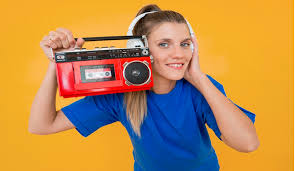
Radio jingles aren’t dead in 2026—they’re specialized tools for specific strategic objectives. pH Care demonstrates radio’s continued value for:
– FMCG brands requiring frequency and recall
– Products targeting demographics with sustained radio habits
– Campaigns needing cost-effective local market penetration
– Categories where audio-only messaging offers advantages
The notion that digital advertising has completely replaced traditional media reflects Silicon Valley bias, not global market reality. In the Philippines, radio advertising grew 7% in 2025 according to Nielsen, while digital ad growth slowed to 12% (down from 34% in 2022).
For brand strategists, the pH Care case study confirms what data already suggested: effective marketing in 2026 requires channel agnosticism. The question isn’t whether radio works—it’s whether radio works for your specific product, market, and consumer behavior profile.
pH Care answered that question with a catchy jingle and a celebrity who knows how to work across traditional and digital platforms simultaneously. The result is a campaign that reaches millions during their commute, sparks social conversation, and moves product off shelves—the metrics that actually matter beyond engagement rates and impressions.
Radio isn’t dead. It’s just not one-size-fits-all anymore. But then again, neither is any channel in 2026’s fragmented media landscape.
Frequently Asked Questions
Q: Is radio advertising still effective in 2026?
A: Yes, radio remains effective for specific use cases. The pH Care campaign demonstrates radio’s continued value for FMCG brands targeting demographics with sustained listening habits, particularly in markets like the Philippines where commute times and radio listenership remain high. Radio offers cost-effective frequency and audio branding recall that complements digital strategies.
Q: Why did pH Care choose Belle Mariano for their radio jingle?
A: Belle Mariano brings credibility with Generation Z and younger millennials while having 14 million social media followers. Her involvement creates cross-platform amplification—the radio jingle becomes shareable content on TikTok, Instagram, and YouTube, extending reach beyond traditional radio listeners without additional production costs.
Q: How much does radio advertising cost compared to digital in 2026?
A: In Manila, a 30-second radio spot reaching 500,000+ listeners costs ₱45,000-80,000 weekly, compared to ₱120,000-200,000 for equivalent digital audio reach and ₱150,000-300,000 for social media video. Radio’s cost advantage becomes significant for campaigns requiring high frequency.
Q: What products are best suited for radio jingles in 2026?
A: Radio works best for FMCG brands requiring frequent consumer recall, products targeting demographics with sustained radio habits, campaigns needing cost-effective local market penetration, and categories where audio-only messaging offers advantages (like intimate care products where discretion matters).
Q: Should brands abandon digital advertising for radio?
A: No. The pH Care case demonstrates that effective 2026 marketing requires channel integration, not replacement. Smart brands use radio for cost-effective frequency and reach, then amplify that content across digital platforms. The question isn’t radio OR digital—it’s how each channel serves specific strategic objectives within your overall marketing mix.