Webcasting vs Live Streaming: What’s the Difference and Which Is Better for Businesses
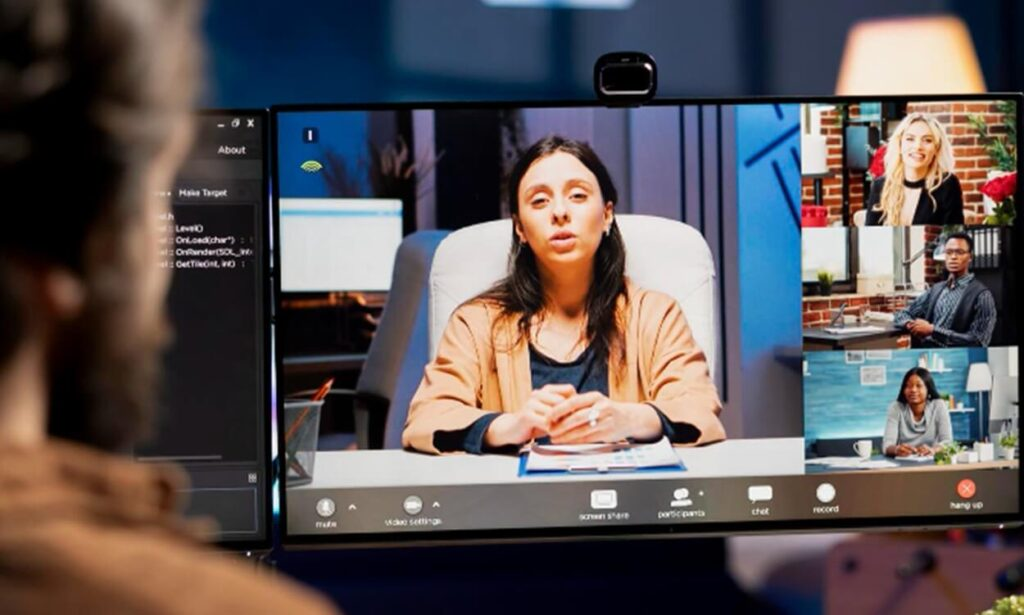
Businesses are always looking for better ways to reach and connect with their audiences. Two of the most effective ways to do this are through webcasting vs live streaming.
These forms of business streaming allow companies to share messages, events, and presentations with people anywhere in the world.
Although many people use webcasting and live streaming to mean the same thing, they actually work in slightly different ways.
Webcasting is often used for larger, more formal events like company meetings, online conferences, or training sessions, while live streaming, on the other hand, is usually more interactive, casual, and perfect for social media broadcasts, product launches, or live Q&A sessions.
Both methods are part of the growing trend of video broadcasting, which is helping businesses build stronger relationships with their customers and teams.
Knowing the difference between webcasting and live streaming will help you choose the right option for your business goals, budget, and audience needs.
What Is Webcasting
Webcasting is a form of video broadcasting that allows organizations to share content with a large audience over the internet.
It’s often referred to as a “one-to-many” business streaming method, where one presenter or company communicates with numerous viewers in real time.
Webcasts are carefully planned, professionally produced, and tailored for business purposes such as company announcements, virtual conferences, employee training, or investor meetings.
They use secure and reliable platforms designed to deliver high-quality videos and audios, along with features like password protection, slide sharing, moderated chat, and Q&A tools.
This makes business streaming through webcasts ideal for companies seeking a polished, professional presentation that reflects their brand’s credibility.
What Is Live Streaming

Live streaming is the act of broadcasting video content in real time over the internet, allowing viewers to watch and interact as the event happens.
It is more flexible and interactive, making it popular for social media, marketing events, webinars, and product launches.
With live streaming, businesses can connect with audiences instantly on platforms like YouTube, Facebook, LinkedIn, or Instagram.
Viewers can comment, react, and ask questions during the stream, creating a two-way conversation that helps build engagement and trust.
Live streaming is also easily accessible, and you don’t always need expensive equipment because a smartphone or webcam is often good enough to go live.
This makes it a great choice for businesses that want to share updates quickly, host Q&A sessions, or showcase behind-the-scenes moments in a more personal way.
Webcasting vs Live Streaming- Key Differences
While webcasting and live streaming both involve sharing video content online, they serve different purposes and are used in different ways.
The main difference lies in how they are delivered, who they reach, and what they are used for.
The differences will be discussed under four headings.
- Purpose and Audience
Webcasting is mainly used for large-scale, professional events such as company meetings, online conferences, or formal presentations.
It’s a one-way communication tool, where the focus is on delivering information clearly and securely to many viewers.
On the other hand, live streaming is more casual and social.
It’s designed for interaction and engagement, allowing viewers to comment, react, and participate in real time.
This makes it ideal for marketing events, product launches, and community building.
- Technology and Quality
Webcasting platforms are built for stability and high-quality delivery.
They can support features like HD video, password protection, slide integration, and audience tracking.
Live streaming uses open platforms like YouTube, Facebook Live, or Instagram, which focus more on accessibility and reach.
The quality may vary depending on internet speed and device setup.
- Interaction and Engagement
Webcasts usually have limited interaction, sometimes a Q&A or chat box but the main goal is to deliver information efficiently.
Live streams encourage real-time engagement, allowing viewers to ask questions, share reactions, and influence the direction of the session.
- Scale and Accessibility
Webcasting is suited for controlled environments with large or specific audiences, like employees or clients.
Live streaming is open and public, allowing anyone to tune in from anywhere, often through social media.
Which Is Better for Your Business
Choosing between webcasting and live streaming depends on your business goals, audience, and the type of message you want to share.
Both offer unique benefits, but the best option will align with what you want to achieve.
- Choose Webcasting for Professional Reliability
If your business often hosts formal events like corporate meetings, training sessions, or product briefings, webcasting is the better fit.
It provides a secure and stable environment that supports large audiences and delivers consistent video quality.
Webcasting also makes it easier to manage audience access, record sessions, and share them later as on-demand videos.
- Choose Live Streaming- for Engagement.
If your focus is on connecting with customers and building brand awareness, live streaming is the way to go.
It encourages real-time interaction, lets viewers comment or ask questions, and helps build a personal connection between your brand and audience.
- Consider a Hybrid Approach
Many businesses today use both webcasting and live streaming.
For instance, you can webcast a formal corporate event to internal employees while simultaneously live-streaming highlights on social media to engage the public.
This approach combines the control of webcasting with the openness and energy of live streaming.
In the end, the right choice depends on what your business values most: reach, engagement, or professionalism.
Final Thoughts
Both webcasting and live streaming have become essential tools for modern businesses.
The right choice depends on what you want to achieve and how you want your audience to experience your message.
If your goal is to deliver high-quality, professional presentations to a large or private audience, then webcasting is the stronger option because It offers stability, security, and the ability to maintain a polished brand image.
If your goal is to connect, interact, and engage with your audience in real time, then live streaming is the better fit.
It helps your business feel more approachable and builds stronger relationships through conversation and participation.
However, many companies are finding success by combining both.
This hybrid approach allows you to reach a wider audience while keeping control and quality where it matters most.
In the end, both webcasting and live streaming are forms of business streaming that support the growing trend of video broadcasting.
With a sound understanding of the strengths of each, you can create a communication strategy that engages your audience, strengthens your brand, and delivers measurable results.
Frequently Asked Questions
1. What is Webcasting?
Webcasting is the process of broadcasting pre-recorded or live video content over the internet to a large audience.
It’s often used for corporate events, webinars, training sessions, or product launches.
2. What is Live Streaming-?
Live streaming refers to broadcasting video content in real-time over the internet.
It’s commonly used for social media events, gaming, live shows, and spontaneous broadcasts.
3. Which is Better for Businesses?
It depends on your goals:
While webcasting is best for corporate communications, investor meetings, and large scale product announcements, live streaming is best for marketing, social engagement, and connecting with audiences in real-time.
4. How Do I Choose the Right Platform?
Consider your audience size, engagement needs, production quality, and analytics requirements.
Platforms like Zoom Webinar, ON24, or Vimeo are great for webcasts, while YouTube Live, Facebook Live, and Twitch are popular for live streaming.
5. Can I Combine Webcasting and Live Streaming?
Absolutely. Many businesses use live streaming for real-time engagement and webcasting for structured, high-quality presentations.
This hybrid approach maximizes reach, engagement, and professional delivery.