Marketing vs Reality: When Hype Doesn’t Match Results
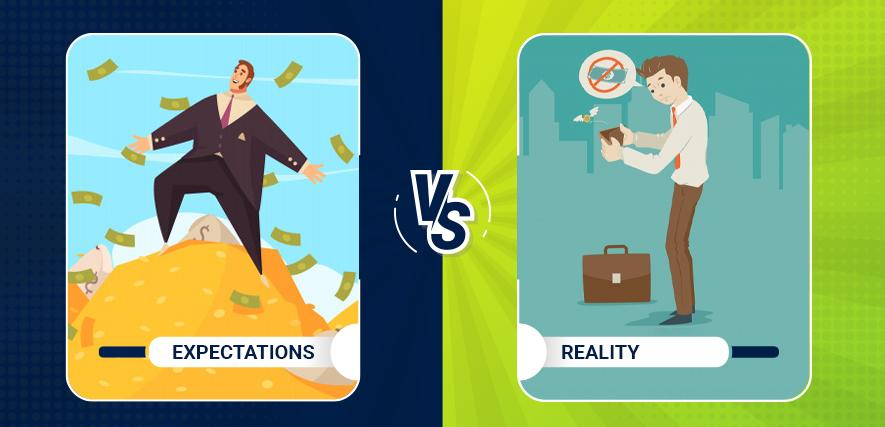
Is this viral technique actually effective or just clever marketing? If you’ve scrolled through social media in the past year, you’ve likely encountered dozens of products, methods, and “revolutionary” approaches that promise to transform your life, productivity, skin, or bank account. Influencers swear by them. Comment sections overflow with testimonials. The before-and-after photos look incredible. Yet when you try them yourself—or when independent researchers put them to the test—the results often fall disappointingly short of the promise.
This gap between marketing hype and measurable results has become one of the defining characteristics of modern consumer culture. Trendy techniques marketed as revolutionary often lack substance when tested under controlled conditions. From productivity hacks that promise to 10x your output to wellness trends that claim to cure chronic conditions, the disconnect between what’s promised and what’s delivered has never been more pronounced—or more profitable.
The question isn’t whether marketing exaggeration exists; it’s why* it works so effectively, *how* we can test claims objectively, and *what business incentives keep the hype machine running even when results don’t materialize.
Act 1: How Influencer Endorsements Create Perception Without Proof
The Psychology of Social Proof and Authority
When someone with 2 million followers demonstrates a technique and declares it “life-changing,” our brains don’t immediately activate critical thinking mode. Instead, we experience what psychologists call social proof—the cognitive shortcut that assumes if many people believe something, it must be valuable or true.
Influencer marketing exploits this mechanism ruthlessly. A creator with perceived authority in their niche (fitness, finance, beauty, productivity) doesn’t need peer-reviewed studies or controlled trials to convince their audience. Their authority is performed rather than earned through rigorous testing. The setup is impeccable: professional lighting, edited results, enthusiastic delivery, strategically chosen background music.
Consider the explosion of “miracle morning routines” that promise enhanced productivity, better health, and mental clarity. These routines often combine legitimate practices (exercise, meditation) with dubious supplements or proprietary methods that lack independent verification. The influencer’s glowing skin and apparent success become the evidence, while confounding variables—genetics, wealth, professional editors, undisclosed medical treatments—remain invisible.
How Marketing Creates Belief Before Evidence
The most effective marketing doesn’t wait for you to demand proof. It establishes emotional connection and identity alignment first, making you want the technique to work before you’ve even tried it. This is where narrative becomes more powerful than data.
A productivity app doesn’t just promise to help you manage tasks—it promises to transform you into the kind of person who achieves their goals, who doesn’t procrastinate, who finally writes that novel. The marketing sells identity and aspiration. By the time you download the app, you’re already emotionally invested in its success. This cognitive bias makes objective evaluation nearly impossible. When results don’t materialize, users blame themselves (“I’m not using it right”) rather than the product (“This doesn’t actually work as advertised”).
The Role of Aesthetics and Production Value
There’s a reason viral marketing campaigns invest heavily in production quality. High-end visuals, smooth transitions, aspirational settings, and confident presentation create what researchers call “processing fluency”—the ease with which we absorb information correlates with how true we perceive it to be.
A skincare routine demonstrated in a minimalist bathroom with perfect lighting feels more effective than the same routine shown under fluorescent lights in a cluttered space. The aesthetic consistency creates an illusion of scientific rigor and professional validation. We mistake production values for proof of concept.
This is particularly evident in the supplement and wellness industry, where bottles are designed with medical-looking labels, ingredients have scientific-sounding names, and promotional content mimics the visual language of legitimate research—without actually conducting legitimate research.
Act 2: Testing Methodology to Verify Marketing Claims Objectively
Framework for Objective Evaluation
Separating genuine innovation from pure hype requires a systematic approach to evaluation. Here’s a framework consumers and skeptics can apply:
1. Controlled Variables: Does the demonstration account for alternative explanations? If someone claims a supplement improved their energy, did they also start sleeping more, change their diet, or begin exercising? Without controlling for these variables, causation cannot be established.
2. Sample Size: Individual testimonials are not data. One person’s dramatic results could be statistical outliers, placebo effects, or completely unrelated to the product. Legitimate efficacy requires testing across diverse populations.
3. Blinding: Did participants know which treatment they received? The placebo effect is powerful and well-documented. Without blind or double-blind testing, psychological expectation contaminates results.
4. Reproducibility: Can independent researchers replicate the claimed results? If only the company selling the product can demonstrate its effectiveness, that’s a red flag.
5. Time Frame: Many hyped techniques show short-term results (often due to novelty or increased attention) that don’t sustain over months or years. Long-term independent tracking is essential.
Red Flags in Marketing Claims
Certain linguistic patterns reliably indicate exaggerated or unverifiable claims:
– Absolute language: “Guaranteed results,” “works for everyone,” “100% effective”
– Vague mechanisms: “Activates your body’s natural processes,” “proprietary formula,” “ancient secret”
– Cherry-picked testimonials: Only showing best-case scenarios without discussing failure rates
– Before/after photos without controls: Lighting, angles, timing, and editing can create dramatic visual differences without actual change
– Appeal to nature fallacy: “All-natural” or “chemical-free” (everything is chemicals, including water)
– Conspiratorial framing: “Doctors don’t want you to know,” “Big Pharma is hiding this”
Real-World Testing Examples
When independent researchers test viral marketed products, results often diverge dramatically from promotional claims:
Detox teas: Marketed for weight loss and body “cleansing,” independent analysis shows these primarily cause water loss and digestive distress. The liver and kidneys already detoxify the body; no tea required.
Blue-light blocking glasses: Heavily marketed for better sleep and reduced eye strain. Studies show minimal to no effect compared to simply reducing screen time before bed.
Activated charcoal products: From toothpaste to supplements, activated charcoal is marketed for everything from teeth whitening to toxin removal. Dental research shows it may damage enamel, and its toxin-absorption properties are non-selective, potentially interfering with medications.
Brain training apps: Marketed to improve general cognitive function, extensive research shows these primarily make users better at the specific games in the app, with minimal transfer to real-world cognitive tasks.
The pattern is consistent: marketing emphasizes aspirational outcomes and emotional benefits while minimizing or ignoring evidence from controlled testing.
Act 3: The Business Incentive Behind Promoting Form Over Function
Why Hype Sells Better Than Substance
From a business perspective, hype is often more profitable than substance. Here’s why:
Speed to market: Developing genuinely innovative products requires research, testing, iteration, and validation—processes that take years and significant capital investment. Creating marketing campaigns that claim innovation requires weeks and far less investment.
Lower accountability: Vague claims are harder to disprove. “Boosts energy” is unfalsifiable—anyone can claim to feel more energetic. “Increases ATP production by 15%” is specific and measurable, requiring actual evidence.
Viral mechanics: Content that triggers strong emotions (excitement, fear of missing out, aspiration) spreads faster than nuanced, evidence-based information. The algorithms that determine what content gets visibility reward engagement, not accuracy.
The Economics of Influencer Marketing
Influencer marketing operates on a commission or affiliate structure that creates perverse incentives. An influencer earns money when their audience purchases products, regardless of whether those products actually deliver results. This creates three problematic dynamics:
1. Selection bias: Influencers promote products that offer the highest commissions, not necessarily the most effective solutions
2. Confirmation bias: Influencers who genuinely believe in a product (often due to their own psychological investment) won’t rigorously test it
3. Short-term thinking: The revenue comes from the initial sale, not from customer satisfaction or long-term results
Brands understand this dynamic and deliberately partner with influencers who have engaged audiences rather than expertise in evaluation methodology. The result is marketing that looks like peer recommendation but functions as paid advertising with minimal disclosure.
Subscription Models and Lock-In Strategies
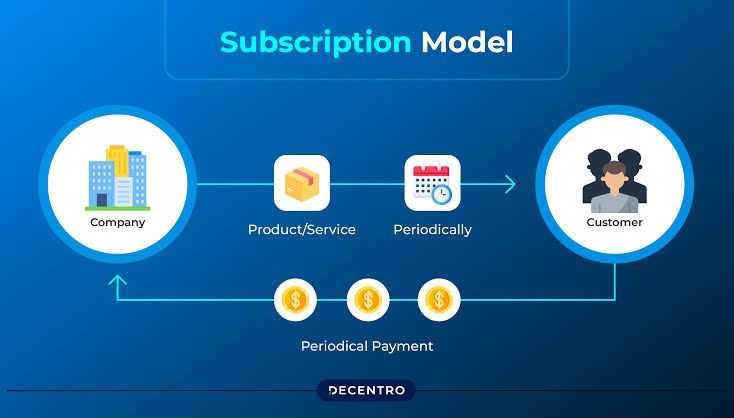
Many hyped products and techniques employ subscription models that profit from customer inertia rather than demonstrated value. The business model depends on:
– Free trials that convert to paid subscriptions most users forget to cancel
– Sunk cost fallacy: After investing time and money, users convince themselves the product must be working
– Intermittent reinforcement: Occasional small wins (which might be coincidental) keep users subscribed, hoping for breakthrough results
This model is particularly prevalent in app-based wellness, productivity, and learning platforms. The metric for success isn’t user achievement but subscription retention—and these metrics don’t necessarily align.
Regulatory Gaps in Marketing Claims
Different product categories face vastly different regulatory scrutiny:
Pharmaceuticals: Must demonstrate safety and efficacy through rigorous clinical trials before marketing
Medical devices: Require FDA clearance with evidence of intended use
Supplements and wellness products: Face minimal premarket regulation; companies can make broad claims until specifically challenged
Digital products and services: Essentially unregulated for efficacy claims, protected by disclaimer language
This regulatory patchwork means consumers face wildly different levels of protection depending on how a product is categorized—and marketers exploit these gaps strategically.
The Verdict: Protecting Yourself in the Age of Hype
The business incentives behind promoting form over function aren’t going away. Viral marketing, influencer partnerships, and aspiration-based selling are too profitable and too embedded in digital ecosystems to disappear. However, consumers can develop immunity to hype by:
Demanding specificity: “Improves productivity” means nothing. “Reduces time to task completion by X% in controlled studies” is testable.
Seeking independent verification: Look for testing by researchers without financial ties to the product.
Questioning testimonials: Individual success stories don’t constitute evidence. Ask about failure rates and average results.
Understanding base rates: Many conditions improve on their own over time. Without knowing the baseline improvement rate, you can’t attribute change to an intervention.
Recognizing your own biases: We all want shortcuts and breakthroughs. This desire makes us vulnerable to claims that sound too good to be true—because they usually are.
The gap between marketing and reality isn’t an accident or occasional oversight. It’s a structural feature of an ecosystem that rewards attention and aspiration more than verification and results. Understanding this dynamic doesn’t make you cynical—it makes you an informed consumer capable of distinguishing genuine value from pure hype.
The most revolutionary techniques are rarely marketed as revolutionary. They’re typically tested, refined, validated, and adopted slowly by practitioners who value evidence over virality. By the time they reach influencer endorsement status, they’ve often been diluted, oversimplified, or misrepresented to fit marketing narratives.
Your best defense against hype isn’t skepticism of everything—it’s developing the tools to evaluate claims objectively and the patience to wait for evidence rather than jumping on every trending technique that promises transformation.
In a world optimized for virality, demanding proof is a radical act.
Frequently Asked Questions
Q: How can I tell if a product review is genuine or paid marketing?
A: Look for several indicators: Does the reviewer discuss limitations and drawbacks, or only positives? Do they compare the product to alternatives? Is there disclosure of affiliate relationships or sponsorships? Genuine reviews typically include specific details about usage context, timeline, and realistic expectations. Be especially skeptical of reviews that use absolute language (‘best ever,’ ‘life-changing’) without substantiating evidence or that appeared shortly after product launch when long-term testing isn’t possible.
Q: Why do influencers promote products that don’t actually work?
A: Several factors contribute: Many influencers genuinely believe in products due to placebo effects or confirmation bias. Others prioritize income from affiliate commissions over rigorous product testing. The influencer business model rewards content volume and engagement, not scientific evaluation. Additionally, contracts often require positive promotion regardless of personal experience, and influencers may lack expertise to properly assess product efficacy in their niche.
Q: What makes a testing methodology scientifically valid?
A: Valid testing requires controlled variables (isolating the factor being tested), adequate sample size (not just individual testimonials), blinding when possible (participants don’t know which treatment they’re receiving), reproducibility by independent researchers, peer review, and long-term tracking. The methodology should account for placebo effects, regression to the mean, and alternative explanations. Published results should include both positive and negative findings, not just cherry-picked successes.
Q: Are there any legitimate ‘revolutionary’ products or techniques?
A: Yes, genuine innovations exist, but they’re typically characterized by gradual adoption among professionals, peer-reviewed research, reproducible results across independent studies, and realistic claims about effectiveness. Examples include certain pharmaceutical advances, evidence-based therapeutic techniques, and technologies that undergo rigorous testing. However, truly revolutionary innovations are rare and usually take years to validate—they don’t appear suddenly via influencer marketing campaigns.
Q: How long should I try a hyped technique before deciding it doesn’t work?
A: This depends on the specific claim, but be wary of products that require months of use before showing results—this timeline often serves to prevent refunds and exploit sunk cost fallacy. For most wellness, productivity, or learning products, you should see some measurable change within 2-4 weeks if the product has genuine efficacy. If marketing claims require you to ‘trust the process’ indefinitely without measurable progress, that’s a red flag. Establish clear, specific metrics for success before starting, and track them objectively.
Q: What legal recourse do consumers have against false marketing claims?
A: Options vary by jurisdiction and product category. In the US, the FTC regulates deceptive advertising, and consumers can file complaints about false claims. Class-action lawsuits have successfully challenged misleading marketing for supplements, apps, and wellness products. However, many products use disclaimer language to shield against liability, and vague claims (‘supports wellness,’ ‘may help’) are difficult to legally challenge. Prevention through informed decision-making is more effective than seeking legal remedies after the fact.