Evolution of TV Advertising: 2026 Trends That Are Reshaping the Industry
TV advertising isn’t dead—it’s just different. Here’s what changed in 2026.
For decades, skeptics have been writing television advertising’s obituary. Yet here we are in 2026, and TV commercials remain a multi-billion dollar industry—they’ve simply transformed beyond recognition from the 30-second spot era. Brand managers, media strategists, and advertising professionals now navigate a complex landscape where traditional broadcast meets streaming platforms, and where viewers expect more than interruption-based marketing. Understanding these shifts isn’t optional anymore; it’s essential for anyone crafting campaigns that actually reach audiences.
The fundamental question facing today’s advertising strategists is straightforward: How do you capture attention in an environment where audiences control what they watch, when they watch it, and whether they see ads at all? The answer lies in three interconnected trends that have matured significantly in 2026, each representing a strategic response to viewer behavior and technological capability.
Serial Promo Strategies: The Long Game of Audience Building
The most significant shift in TV advertising this year is the widespread adoption of serial promotional strategies that mirror the storytelling techniques of prestige television itself. Rather than treating each commercial as an isolated message, brands and networks are constructing narrative arcs that unfold across multiple exposures.
Consider how streaming platforms now promote their original series. Instead of a single trailer repeated ad nauseam, we’re seeing carefully sequenced campaigns that reveal character depth, plot complexity, and thematic richness over several weeks. Each promotional spot builds on the previous one, creating what industry insiders call “tune-in momentum.” The first ad might introduce a mysterious premise, the second reveals a key character relationship, and the third exposes a central conflict—all without spoiling the actual content.
This approach works because it respects viewer intelligence while leveraging the psychological principle of the Zeigarnik effect: our tendency to remember incomplete or interrupted tasks. When audiences encounter the first installment of a serial promo, their brains actively seek closure, making subsequent exposures more engaging rather than more annoying.
Major networks have embraced this strategy for their fall lineup launches. CBS’s promotion for its 2026 legal thriller didn’t just showcase explosive courtroom moments; it introduced viewers to the protagonist’s moral dilemma across five distinct ads, each revealing another layer of complexity. By premiere night, audiences felt they already knew the character—and needed to see how her story resolved.
For brand managers outside the entertainment industry, serial strategies have proven equally effective. Automotive companies now launch vehicle models through episodic content that follows the design process, engineering challenges, and real-world testing. Rather than shouting specifications at viewers, these campaigns invite audiences into a journey, transforming product launches into stories worth following.
The technical infrastructure supporting serial strategies has also matured. Advanced analytics now track which viewers have seen which installments, allowing for dynamic ad serving that ensures proper sequence exposure. If you missed episodes two and three of a campaign, the system can prioritize those for you rather than jumping to episode four, maintaining narrative coherence.
Integration of Commercial Content With Entertainment
The second major trend reshaping TV advertising in 2026 is the increasingly sophisticated integration of commercial messaging directly into entertainment content. This goes far beyond traditional product placement; we’re witnessing the emergence of branded content that audiences actively seek out and share.
The distinction between advertising and entertainment has become productively blurry. Cooking shows now feature branded kitchen equipment not as interrupting commercials but as essential tools within the competitive narrative. Automotive brands sponsor travel documentaries where vehicles become characters in the journey rather than interruptions to it. Fashion companies collaborate with reality competition programs, providing wardrobes that influence both the show’s aesthetic and viewers’ purchasing decisions.
What makes 2026’s integration different from past attempts is the level of creative sophistication. Early product placement often felt jarring—an obvious bottle label facing the camera, an awkward verbal mention of a brand name. Today’s integrated advertising is engineered by collaborative teams including showrunners, brand strategists, and creative directors who work together from the concept phase.
Take the partnership between a major beverage company and a streaming platform’s hit workplace comedy. Rather than simply having characters drink the product, the brand became central to a multi-episode story arc about the office implementing a new sustainability initiative. The comedy derived naturally from character responses to change, while the brand message about environmental commitment was embedded in the plot structure itself. Viewers laughed, engaged with the story, and absorbed brand values without feeling marketed to.
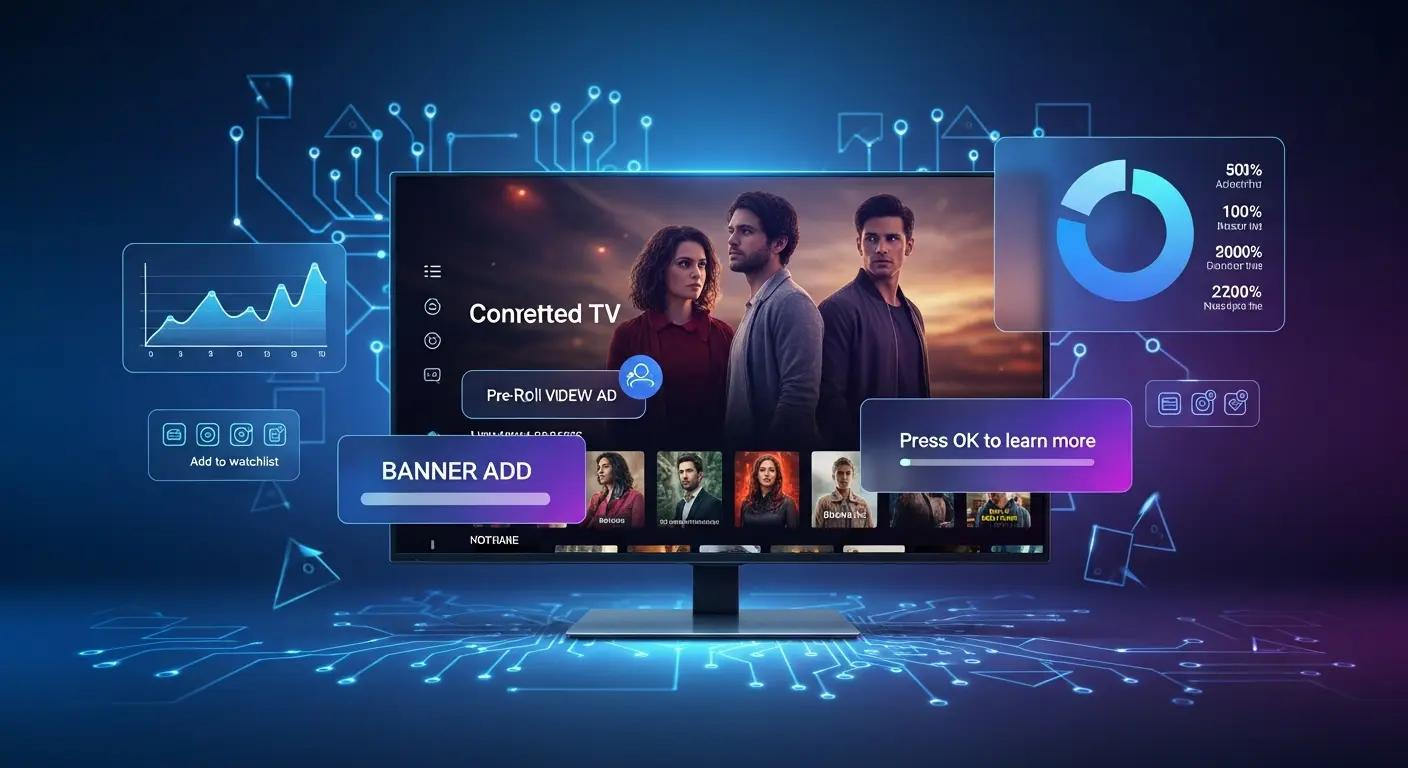
This integration extends to interactive elements. Smart TV platforms now enable viewers to access product information, behind-the-scenes content, or purchasing options through on-screen prompts that appear contextually during integrated brand moments. The technology is sufficiently unobtrusive that it enhances rather than disrupts the viewing experience.
For advertising students and emerging strategists, understanding integration requires studying both entertainment production and consumer psychology. The most effective integrated campaigns recognize that modern audiences are sophisticated media consumers who appreciate clever marketing but reject manipulation. Transparency about brand partnerships, combined with genuine entertainment value, creates the trust necessary for integration to work.
Regulatory frameworks have evolved alongside these practices. Industry guidelines now require clear disclosure of branded content, but these disclosures have become so normalized that they don’t diminish effectiveness. Audiences in 2026 understand that content production requires funding; what they demand is that branded content be as high-quality and entertaining as non-branded programming.
Cross-Platform Promotion: The Ecosystem Approach
The third defining trend of 2026 is the maturation of truly cross-platform promotional ecosystems that treat TV advertising as one component of an integrated experience spanning multiple channels and touchpoints.
Modern campaigns begin with TV spots—whether on broadcast networks or streaming platforms—but those spots now function as entry points into larger brand universes. A 30-second commercial includes subtle visual cues, hashtags, or audio signatures that connect to extended content on social media, interactive websites, mobile apps, and even physical retail experiences.
The sophistication lies in how these elements reinforce rather than simply repeat each other. A TV spot might pose a question that viewers can answer through an Instagram poll, creating participatory engagement. The results of that poll might then influence the next TV spot in the campaign, creating a feedback loop where audiences feel genuine agency in the brand narrative.
Media strategists now think in terms of “audience journeys” rather than “media placement.” The TV commercial introduces the brand story, a YouTube deep-dive offers extended content for interested viewers, TikTok challenges encourage creative participation, while podcast sponsorships reach audiences during different consumption moments. Each platform serves a specific purpose within the larger strategy.
Measurement capabilities have finally caught up to this complexity. Unified analytics platforms track how audiences move between channels, which touchpoints drive conversions, and how different platform combinations create synergistic effects. This data reveals that TV advertising’s role has shifted from direct response driver to authority builder and awareness generator that makes all other channels more effective.
Consider how a major retail brand promoted its 2026 holiday campaign. The initial TV spots featured cryptic visuals and a mysterious narrative thread. Viewers who searched for the campaign hashtag discovered an immersive website that explained the story while showcasing products. Social media content invited user-generated contributions to the narrative. In-store displays featured QR codes linking back to TV content. The campaign created dozens of entry and re-entry points, ensuring that audiences encountered the brand message through their preferred channels while maintaining narrative consistency.
For brand managers, the cross-platform approach requires new organizational structures. Traditional silos separating TV advertising, digital marketing, social media, and retail promotion have collapsed. Successful campaigns now emerge from integrated teams where strategists across all channels collaborate from initial concept through execution and optimization.
The technology enabling these ecosystems continues advancing rapidly. AI-driven creative optimization now allows campaigns to maintain consistent brand messaging while adapting creative execution to each platform’s unique characteristics and audience expectations. A single campaign concept generates dozens of platform-specific variations, each optimized for its context while contributing to the unified whole.
Looking Ahead: What These Trends Mean for Strategy
These three trends—serial promotional strategies, integrated branded content, and cross-platform ecosystems—represent more than tactical shifts. They signal a fundamental reconceptualization of what television advertising can accomplish in an era of audience empowerment and technological possibility.
For advertising students entering the field, the implications are clear: success requires both creative storytelling ability and technical fluency across platforms. Understanding audience psychology remains essential, but so does comfort with analytics, programmatic systems, and emerging technologies.
Brand managers must embrace longer planning horizons and more sophisticated success metrics. A serial campaign unfolds over weeks or months, requiring sustained commitment and patience. Integration demands deep partnerships with content creators built on mutual respect and shared creative vision. Cross-platform ecosystems necessitate organizational structures that facilitate collaboration across traditional departmental boundaries.
Media strategists need to become conductors rather than channel managers, orchestrating complex campaigns where timing, sequencing, and platform selection create harmonious whole greater than the sum of individual placements. This requires both strategic thinking and tactical expertise, understanding not just where audiences are but how they move between spaces and what motivates those movements.
The most encouraging aspect of TV advertising’s 2026 evolution is that quality and creativity matter more than ever. In an environment where audiences can skip, block, or ignore advertising, only genuinely engaging content breaks through. The brands succeeding in this landscape are those investing in entertainment value, storytelling craft, and authentic audience relationships.
Television advertising hasn’t died—it’s matured into something more sophisticated, more integrated, and potentially more effective than the interruption-based model it’s replacing. For professionals willing to embrace this complexity, the opportunities have never been greater. The medium that once meant simply buying 30-second spots now offers the chance to create entertainment that audiences choose to watch, stories that unfold across platforms, and brand experiences that enrich rather than interrupt people’s lives.
The question facing today’s advertising professionals isn’t whether TV advertising has a future—it clearly does. The question is whether individual brands and strategists will adapt quickly enough to leverage its evolving possibilities. Those who do will find that television advertising in 2026 offers creative and strategic opportunities that would have seemed impossible just a few years ago.
Frequently Asked Questions
Q: What is serial promo strategy in TV advertising?
A: Serial promo strategy involves creating narrative arcs across multiple advertisements rather than treating each commercial as an isolated message. Like episodic television, each ad builds on previous installments, revealing story layers progressively. This approach creates ‘tune-in momentum’ by leveraging psychological principles that make audiences seek closure, transforming repeated ad exposure from annoying to engaging. Advanced analytics now track which viewers have seen which installments, ensuring proper sequence delivery.
Q: How is integrated advertising different from traditional product placement?
A: Integrated advertising in 2026 goes beyond obvious product placement by embedding brand messages into the actual story structure of entertainment content. Rather than jarring bottle labels or forced brand mentions, modern integration involves collaborative teams of showrunners and brand strategists working from the concept phase to make brands natural story elements. This includes multi-episode arcs where brand values become plot points, plus interactive elements through smart TV platforms that let viewers access product information contextually without disrupting the viewing experience.
Q: What does cross-platform promotion mean for TV advertising?
A: Cross-platform promotion treats TV spots as entry points into larger brand ecosystems spanning social media, mobile apps, websites, and physical retail. Rather than simply repeating messages across channels, sophisticated campaigns create distinct but reinforcing content for each platform—a TV spot poses questions answered through Instagram polls, YouTube offers extended content, TikTok enables creative participation. Unified analytics track how audiences move between channels, revealing TV’s evolved role as an authority builder that makes all other channels more effective.
Q: Why is TV advertising still relevant in 2026 despite streaming and ad-blocking?
A: TV advertising remains relevant because it has fundamentally transformed rather than died. Modern TV advertising offers entertainment value that audiences choose to watch, stories that unfold across platforms, and brand experiences that enrich rather than interrupt viewing. The key is that quality and creativity matter more—only genuinely engaging content breaks through in an environment where audiences control their exposure. Brands investing in storytelling craft, integration sophistication, and authentic audience relationships are finding TV advertising more effective than traditional interruption-based models.
Q: What skills do advertising professionals need for success in 2026?
A: Success in 2026 TV advertising requires both creative storytelling ability and technical fluency across platforms. Professionals need to understand audience psychology alongside analytics, programmatic systems, and emerging technologies. Brand managers must embrace longer planning horizons and sophisticated metrics beyond immediate conversions. Media strategists need to think like conductors orchestrating complex campaigns, understanding not just where audiences are but how they move between platforms and what motivates those movements. Organizational structures must facilitate collaboration across traditional departmental silos.