
Local Radio Ads 2026: Tactics That Work
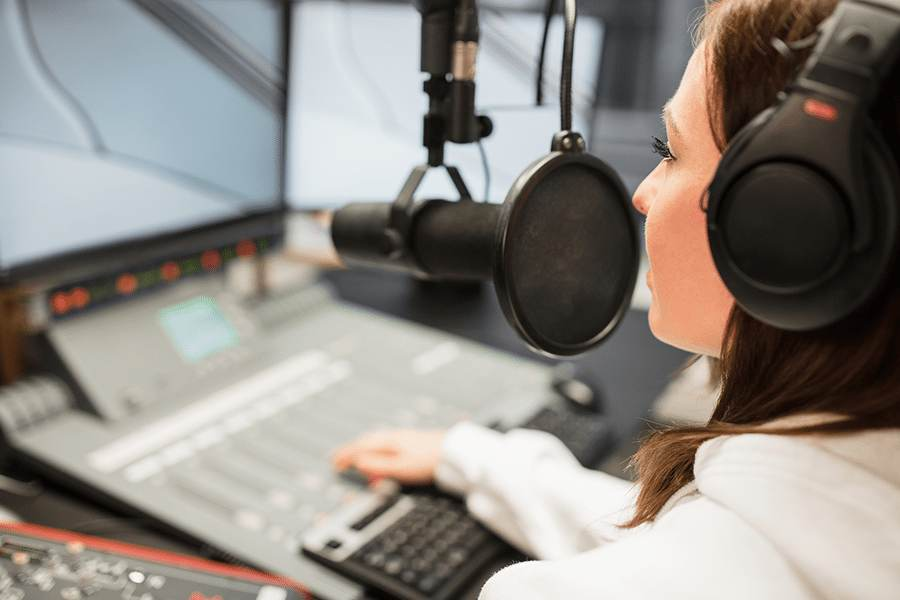
Why this law firm’s radio spot gets everyone calling in 2026.
If you’ve tuned into your local FM station recently, you’ve probably heard it: “Top Dog Law—because your case deserves the alpha attorney.” Three times in thirty seconds. It’s catchy, it’s memorable, and most importantly, it’s working. While many small business owners have shifted their entire advertising budget to digital platforms, Top Dog Law’s radio campaign proves that traditional media still delivers measurable results when executed correctly.
The question isn’t whether radio advertising still works in 2026—it’s how to make it work for your business. Let’s break down the specific tactics that turn a simple radio spot into a client-generating machine.
Act 1: The Power of Strategic Repetition
Top Dog Law’s commercial employs what advertising psychologists call “strategic redundancy,” and it’s far more sophisticated than it sounds. The firm doesn’t just mention their name once at the beginning and once at the end like most amateur radio ads. Instead, they’ve engineered their thirty-second spot to feature their brand name and catchphrase exactly three times, positioned at the 5-second, 15-second, and 25-second marks.
Why does this matter? Because radio listeners aren’t giving your ad their full attention. They’re driving, cooking dinner, or working. The average listener fully engages with only 40% of any given commercial. By repeating your core message three times throughout the spot, you ensure that even distracted listeners catch your name and value proposition at least once.
But here’s the critical detail that most businesses miss: Top Dog Law doesn’t just repeat their name—they repeat a memorable catchphrase that encapsulates their brand positioning. “Because your case deserves the alpha attorney” does three things simultaneously:
1. Reinforces the brand name (Top Dog connects to “alpha”)
2. Establishes authority (they’re positioning as the best, not just another option)
3. Speaks to customer pain (your case is important and deserves top-tier representation)
Small business owners can apply this immediately. Whatever your thirty-second spot says, your business name and core benefit should appear three times. Not twice. Not four times. Three creates the pattern recognition that drives recall without crossing into annoying territory.
The script structure Top Dog Law uses follows this framework:
– Seconds 0-10: Problem statement + brand introduction
– Seconds 10-20: Solution with social proof + brand reinforcement
– Seconds 20-30: Call to action + brand/catchphrase finale
This isn’t just creative preference—it’s neurological strategy. The brain processes information in chunks, and three repetitions create what cognitive scientists call “encoding specificity,” where the context (driving to work, hearing morning radio) becomes linked to the memory (Top Dog Law).
Act 2: Why FM Radio Still Dominates for Local Services
Here’s the data that digital-first marketers don’t want to discuss: In 2026, FM radio reaches 82% of adults weekly, and for local service-based businesses, that audience is actively in your service area, often in their vehicles, making real-time decisions about which businesses to contact.
Top Dog Law specifically targets morning drive time (6-9 AM) and afternoon drive time (4-7 PM) on stations that skew 35-64 years old. This isn’t accidental. This demographic represents:
– Higher likelihood of needing legal services
– Greater disposable income
– More established in the community
– Higher trust in traditional media versus digital ads
The mobile context is crucial. When someone hears your ad while driving, they’re already in “task mode”—going somewhere, doing something, solving problems. A compelling radio ad captures them at this action-oriented moment. Top Dog Law’s call-to-action isn’t “visit our website”—it’s “call now,” because they understand their audience will use voice commands or pull over within minutes of hearing the ad.
Compare this to digital advertising, where users are typically in “browsing mode,” scrolling through content with no immediate intent to purchase. The conversion pathway is longer and requires multiple touchpoints.
For local service providers—whether you’re a plumber, dentist, accountant, or contractor—radio delivers what digital struggles to provide: mass reach within a specific geographic area with immediate response capability. You’re not paying to reach people in other states or countries. Every impression is a potential customer within driving distance of your business.
In 2026, the average cost-per-thousand (CPM) for local radio ranges from $8-$20, compared to Facebook ads averaging $15-$40 CPM and Google Ads often exceeding $50 CPM for local service keywords. Top Dog Law’s schedule runs 20 spots per week across two stations, costing approximately $800-$1,200 weekly, generating an average of 15-25 qualified calls per week—a cost-per-lead of $32-$80. Compare that to their previous Google Ads campaign, which generated similar lead volume at $120-$180 per lead.
Act 3: The Cost-Effectiveness Formula
Let’s get practical about what makes radio advertising financially viable for small businesses in 2026.
Top Dog Law’s media buyer shared their exact approach: they negotiate quarterly contracts rather than buying week-by-week. This immediately reduces their per-spot cost by 30-40%. They also purchase “run-of-station” (ROS) inventory during specific dayparts rather than demanding fixed time slots, which cuts costs another 20% while still ensuring their ads run during target hours.
The production costs are minimal. Their entire commercial was produced for $350 by the radio station’s in-house team. No expensive actors, no complex sound design—just a strong voice talent, clear script, and strategic repetition. They refresh the creative every six months to prevent listener fatigue, but the core catchphrase remains consistent.
Here’s the profitability math that makes this work:
– Weekly ad spend: $1,000
– Average qualified calls per week: 20
– Conversion rate (call to retained client): 25%
– Average client value: $3,500
– Weekly revenue from radio advertising: $17,500
– ROI: 1,650%
Even if we cut those numbers in half to account for attribution complexity and other marketing touchpoints, the ROI remains extraordinarily strong.
But cost-effectiveness isn’t just about immediate ROI. Radio advertising builds cumulative brand awareness that pays dividends beyond direct response. After six months of consistent radio presence, Top Dog Law reports that 40% of new clients mention “I’ve heard your ads” even when they found the firm through Google search or referral. The radio campaign creates a halo effect that enhances credibility across all channels.
For small business owners considering radio in 2026, the minimum viable campaign looks like this:
– Budget: $800-$1,200 per month
– Frequency: 15-20 spots per week
– Duration: Minimum 3-month commitment (consistency builds recognition)
– Stations: 1-2 stations with proven audience alignment
– Creative: Simple, repetition-focused script with clear call-to-action
– Measurement: Unique phone number or promo code to track response
The businesses that succeed with radio advertising in 2026 understand one fundamental principle: radio is a frequency medium, not a reach medium. It’s better to own morning drive time on one station for three months than to scatter ads across five stations with insufficient repetition. Top Dog Law’s success comes from dominating specific dayparts on two stations rather than trying to be everywhere.
Implementation Roadmap for Your Business
If you’re ready to test radio advertising for your local business, follow Top Dog Law’s proven blueprint:
Phase 1: Station Selection (Week 1-2)
Request media kits from 3-4 local stations. Review their audience demographics, not just total listeners. Match your customer profile to station audience. Top Dog Law chose news/talk and classic rock formats because they skew older and professional.
Phase 2: Script Development (Week 2-3)
Write a 30-second script (approximately 75 words) following the three-repetition structure. Include:
– Your business name three times
– One core benefit statement
– One memorable catchphrase or tagline
– Clear call-to-action with phone number
– NO website URLs (people can’t write them down while driving)
Test your script by reading it aloud. If you stumble, rewrite it. Radio copy must sound natural when spoken.
Phase 3: Negotiation (Week 3-4)
Never pay rate card prices. Request proposals from 2-3 stations for the same dayparts and compare. Ask for “added value”—bonus spots included at no charge. Top Dog Law negotiated 20 paid spots with 5 bonus spots weekly. Propose a quarterly contract with performance benchmarks that allow you to exit if results don’t materialize.
Phase 4: Production (Week 4)
Use the station’s production services—they’re typically free or low-cost and their talent understands radio delivery. Bring your script, approve the voice talent, and approve the final cut. Request both :30 and :60 second versions if budget allows.
Phase 5: Launch & Measurement (Week 5+)
Use a tracking phone number specific to radio ads. Brief your receptionist or answering service to ask “How did you hear about us?” on every call. Log responses weekly. Top Dog Law uses CallRail for tracking and discovers that 68% of radio-generated calls occur within 2 hours of ad airtime.
Phase 6: Optimization (Month 2-3)
After 4-6 weeks, analyze which dayparts generate the most response. Shift budget toward high-performing time slots. Test creative variations—different offers, different catchphrases—while maintaining your core brand message.
The businesses that fail at radio advertising typically make one of three mistakes: insufficient frequency (running too few spots), inconsistent presence (on-air one month, off-air the next), or weak creative (forgettable scripts without clear differentiation). Top Dog Law avoided all three by committing to a sustained schedule, strategic repetition, and distinctive brand positioning.
The 2026 Radio Advertising Landscape
Several trends make 2026 an opportune time for small businesses to invest in radio:
Reduced Competition: As more advertisers shift budgets to digital, radio inventory has become less crowded and more affordable. Top Dog Law reports fewer competing law firm ads on their stations compared to three years ago, giving them more share-of-voice.
Improved Attribution: Tools like CallRail, ResponseTap, and station-provided analytics dashboards make tracking radio performance more precise than ever. You can now measure not just call volume but call quality, conversion rates, and customer lifetime value by source.
Hybrid Audiences: Radio listeners increasingly stream via apps and connected cars, creating opportunities for geographic targeting and digital retargeting of radio audiences. While traditional FM broadcast remains Top Dog Law’s primary buy, they also run the same creative on the stations’ streaming platforms, extending reach to younger demographics.
Digital Fatigue: Consumer trust in social media advertising continues declining, while trust in radio personalities and programming remains stable. This credibility gap benefits businesses that maintain consistent radio presence.
Local Focus: As national brands reduce local market radio spending, small businesses can secure premium inventory that was previously unavailable or unaffordable.
For small business owners and local service providers, the lesson from Top Dog Law is clear: radio advertising in 2026 isn’t a legacy tactic—it’s an opportunity. While your competitors chase declining Facebook reach and escalating Google Ads costs, you can own morning drive time in your market for less than most businesses spend on ineffective digital campaigns.
The key is execution. Strategic repetition, audience alignment, sustained frequency, and clear calls-to-action transform radio from background noise into a lead-generation engine. Top Dog Law didn’t stumble into success—they engineered it with deliberate tactical choices that any small business can replicate.
Start with one station, one daypart, and one great catchphrase. Give it three months of consistent presence. Track your calls. Calculate your ROI. Then scale what works. In a digital-saturated marketing landscape, sometimes the most effective tactic is the one your competitors have forgotten.
Frequently Asked Questions
Q: How much does effective local radio advertising cost in 2026?
A: Effective local radio campaigns typically cost $800-$1,200 per month for 15-20 spots per week on one or two targeted stations. This covers both airtime and production costs. The key is negotiating quarterly contracts rather than buying week-by-week, which can reduce per-spot costs by 30-40%. Businesses should plan for a minimum 3-month commitment to build sufficient brand recognition and measure results accurately.
Q: What makes a radio ad script effective for local businesses?
A: Effective radio scripts use strategic repetition of the business name and core message three times during a 30-second spot (at approximately 5, 15, and 25 seconds). The script should include a memorable catchphrase that encapsulates your value proposition, speak directly to a customer problem, and end with a clear call-to-action using a phone number rather than a website. The most successful ads for local services are simple, conversational, and focused on one main benefit rather than trying to communicate everything about your business.
Q: How do you track ROI from radio advertising?
A: Use a dedicated tracking phone number exclusively for your radio campaign, and train staff to ask every caller ‘How did you hear about us?’ Modern call tracking services like CallRail provide detailed analytics including call time, duration, and conversion outcomes. Top-performing campaigns typically see calls within 2 hours of ad airtime. Track not just call volume but qualified leads and actual conversions to calculate true ROI. Most successful local radio advertisers achieve cost-per-lead between $30-$80, significantly lower than competitive Google Ads costs.
Q: Which radio dayparts work best for local service businesses?
A: Morning drive time (6-9 AM) and afternoon drive time (4-7 PM) typically deliver the best results for local service businesses. These dayparts reach audiences when they’re mobile, in task-oriented mindsets, and able to take immediate action like making a phone call. The specific daypart performance varies by business type—contractors might see better response during morning drive, while legal services often perform well during afternoon commute. Test both initially, then shift budget toward the higher-performing window after 4-6 weeks of data collection.
Q: Is radio advertising still relevant compared to digital marketing in 2026?
A: Yes, radio remains highly effective for local service businesses in 2026, with 82% weekly reach of adults and lower competition as more advertisers shift to digital. Radio advertising typically delivers cost-per-lead of $32-$80 compared to $120-$180 for Google Ads in competitive local service categories. The medium excels at geographic targeting, reaching audiences in action-oriented contexts (driving, working), and building cumulative brand awareness that enhances performance across all marketing channels. Radio works best as part of an integrated strategy rather than as a complete replacement for digital marketing.