
TV Commercials 2026: Formats That Drive Results
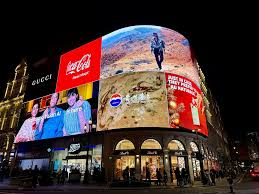
What makes TV commercials successful in 2026? Here’s what the data shows. As the advertising landscape continues to evolve at breakneck speed, understanding which commercial formats resonate with audiences has become more critical—and more complex—than ever before. With viewership fragmented across streaming platforms, traditional networks, and hybrid viewing experiences, the commercials that break through the noise share distinct characteristics that smart marketers are leveraging to maximize their return on investment.
The Comedy Advantage: Why Humor Still Reigns Supreme
Despite dramatic shifts in how audiences consume content, comedy-driven commercials remain the undisputed champions of viewer engagement in 2026. Recent Nielsen data indicates that humor-based advertisements achieve a 40% higher recall rate compared to straightforward product demonstrations or emotional storytelling formats. This isn’t merely anecdotal—eye-tracking studies and neurological response testing confirm that comedic content triggers deeper cognitive engagement and creates stronger memory pathways.
The reason comedy works so effectively in 2026 speaks to fundamental changes in viewer psychology. Today’s audiences have developed sophisticated ad-avoidance behaviors, with the average viewer able to mentally disengage from commercial content within 2.3 seconds of recognizing an advertisement. Comedy breaks through this defensive barrier by offering genuine entertainment value that viewers actually want to experience rather than skip.
Brands like Progressive, Geico, and newcomer insurance disruptor Hedgehog have built entire campaign ecosystems around comedic characters and scenarios. Progressive’s continued investment in their long-running character-based campaigns demonstrates the format’s longevity and adaptability. The key differentiator in 2026 is authenticity—audiences can instantly detect forced humor or jokes that feel focus-grouped into oblivion. The commercials that succeed feature writing that would stand on its own as legitimate comedy content, regardless of the product being sold.
Food and beverage brands have particularly embraced absurdist humor, with campaigns that border on surrealism. This approach works because it creates shareability on social platforms while making the commercial break itself feel less intrusive. When a 30-second spot genuinely makes someone laugh, they’re less likely to resent the interruption to their programming—and they’re significantly more likely to remember the brand when making purchasing decisions.
The Sketch Comedy Revolution: Building Narratives Within Constraints
The sketch comedy format has emerged as the most adaptable structure for commercial breaks in 2026, and forward-thinking agencies are treating 30-second spots more like mini-episodes than traditional advertisements. This approach leverages the same narrative techniques that made sketch comedy shows successful, compressing setup, escalation, and punchline into incredibly tight timeframes.
What makes sketch comedy particularly effective is its ability to create serialized content within the commercial space. Rather than producing standalone spots, brands are developing character universes and ongoing storylines that unfold across multiple advertisements. Viewers begin anticipating the next installment, transforming commercial breaks from annoyances into moments of genuine interest.
Taco Bell’s “The Council” campaign exemplifies this approach, featuring a rotating cast of characters who convene to debate menu items with the gravitas typically reserved for geopolitical summits. Each spot works independently but rewards loyal viewers who’ve followed the entire arc. This serialization strategy has proven especially effective during live sports broadcasts and reality competition shows, where audiences are less likely to channel-surf during commercial breaks.
The technical execution of sketch comedy commercials has also evolved significantly. Production values now rival scripted television programming, with advertisers investing in proper comedic talent, experienced comedy directors, and writing teams pulled from SNL, late-night shows, and streaming comedy specials. This elevation in quality isn’t merely aesthetic—it’s strategic. When commercials look and feel like the premium content surrounding them, viewer resistance drops measurably.
Timing and pacing have become critical differentiators. The most successful sketch comedy commercials in 2026 follow the “rule of threes” principle, delivering three distinct laugh moments within a 30-second window. This structure keeps viewers engaged throughout the entire spot while building to a memorable conclusion that reinforces brand messaging without feeling heavy-handed.
Network-Specific Strategies: The Era of Customized Commercial Approaches
Perhaps the most significant shift in 2026 is the recognition that one-size-fits-all commercial strategies no longer work—if they ever did. Media buyers and creative teams are now developing network-specific approaches that account for the unique viewing contexts and audience expectations of different platforms.
Streaming Platform Commercials: Precision Targeting Meets Premium Production
Advertiser-supported streaming tiers on platforms like Netflix, Disney+, and Max have matured significantly, and the commercial formats that work in these environments differ markedly from traditional TV. Streaming viewers expect fewer interruptions but tolerate longer individual spots when they do occur. The winning format here is 60-90 second mini-narratives that feel more like short films than traditional commercials.
These extended formats allow for more sophisticated storytelling and emotional development. Brands like Apple, Lexus, and Patagonia have created cinema-quality spots that viewers sometimes seek out independently on YouTube. The key is respecting the premium content environment—streaming audiences have specifically chosen to watch particular shows or films, and commercials that feel tonally aligned with that content perform exponentially better than generic spots dropped into the stream.
Targeting capabilities on streaming platforms also enable hyper-specific creative variants. A comedy that resonates with 25-34 year-old urban professionals watching a workplace sitcom might fall flat with rural families streaming animated content. Successful advertisers in 2026 develop multiple creative executions within the same campaign framework, allowing for personalization at scale.
Cable Network Commercials: Embracing the Appointment Viewing Audience
Cable viewership has consolidated around specific content types—news, sports, and reality programming chief among them. The audiences watching cable in 2026 tend to be either highly engaged (live sports, breaking news) or passively viewing (background cable during daily routines). Commercial strategies must account for these distinct mindsets.
For appointment viewing like sports and live events, advertisers have found success with reactive, moment-driven creative that feels connected to what’s happening in real-time. The technology now exists to insert different commercial variants based on game situations, creating the illusion of responsiveness that keeps viewers engaged.
Reality TV and lifestyle programming on cable networks like Bravo, HGTV, and Food Network reward commercials that match the aspirational tone of the surrounding content. Home improvement brands, food products, and lifestyle services use formats that blur the line between editorial content and advertising, with production styles that mirror the shows themselves.
Broadcast Network Commercials: Broad Appeal with Sophisticated Segmentation

Traditional broadcast networks reach the most diverse audiences in 2026, requiring commercial formats with broad appeal that don’t alienate any particular demographic. Comedy remains the safest bet, but successful broadcast commercials use observational humor about universal experiences rather than niche references or specific cultural touchpoints.
The most effective broadcast commercials employ what industry insiders call “multi-generational triggers”—elements that resonate differently with various age groups simultaneously. A pharmaceutical brand spot might use a contemporary music track that appeals to younger viewers while the scenario depicted resonates with older demographics actually using the product.
Broadcast also remains the testing ground for major campaign launches. Brands will often premiere big-budget spots during major broadcast events (Super Bowl, Olympics, award shows) before rolling out targeted variants across cable and streaming. This approach leverages broadcast’s remaining cultural impact while allowing for optimization across other platforms.
Production Techniques Defining 2026 Success
Beyond format and platform considerations, specific production techniques have emerged as hallmarks of successful 2026 commercials. Dynamic pacing is paramount—the average shot length in top-performing commercials has decreased to 1.8 seconds, matching the editing rhythm of popular TikTok and YouTube content. This rapid-fire visual style maintains attention without overwhelming viewers.
Sound design has become equally critical. With many viewers watching on devices with limited audio quality or in sound-off environments (mobile viewing in public spaces), successful commercials communicate key information visually while using audio to enhance rather than carry the message. Closed captions aren’t just accessibility features—they’re primary communication tools that smart advertisers design into their creative from the beginning.
Authenticity in casting has emerged as non-negotiable. Focus groups consistently reject commercials featuring obviously model-beautiful actors in unrealistic scenarios. The casting trend toward “real people” aesthetics reflects broader cultural shifts toward authenticity and representation. Successful brands cast actors who genuinely reflect their customer base, including body diversity, age diversity, and authentic representation of various communities.
Measurement and Optimization in Real-Time
The infrastructure supporting TV advertising in 2026 enables unprecedented measurement and optimization. Brands no longer wait weeks for campaign results—real-time analytics track everything from completion rates to immediate purchase behavior linked to specific ad exposures.
This measurement revolution has validated comedy and sketch formats empirically. Commercials in these categories consistently show higher completion rates (viewers watching the entire spot rather than looking away), better brand recall in follow-up surveys, and most importantly, measurable lift in purchase intent and actual sales.
The optimization cycle has compressed dramatically. Brands can now test multiple creative variants across different networks and dayparts, analyze performance data within 48 hours, and reallocate budget toward top performers while pulling underperforming spots. This agility rewards creative risk-taking—advertisers can test unconventional formats knowing they can course-correct quickly if something doesn’t resonate.
The Integration Imperative: TV as Part of Ecosystem
Successful TV commercials in 2026 don’t exist in isolation—they’re designed as anchors for integrated campaigns spanning social media, digital display, influencer partnerships, and experiential marketing. The TV spot introduces characters, scenarios, or catchphrases that then extend across platforms in platform-appropriate formats.
This integration explains why comedy and sketch formats have thrived—they create IP that transcends the 30-second spot. A funny character can become a social media presence, a Halloween costume, a meme format. Traditional product-demo commercials rarely generate this kind of cultural penetration.
Brands are also leveraging TV commercials as proof points for social content. Behind-the-scenes footage from commercial shoots becomes Instagram and TikTok content. Bloopers and extended cuts provide YouTube material. The TV commercial has evolved from endpoint to centerpiece of much larger creative ecosystems.
Looking Forward: Emerging Formats on the Horizon
While comedy and sketch formats dominate 2026, emerging formats are showing early promise. Interactive commercials that allow viewers to choose narrative paths using their remote controls are gaining traction on smart TV platforms. These branching narratives increase engagement time and provide valuable data about viewer preferences.
AI-personalized commercials are moving from experimental to mainstream, with brands creating framework campaigns that algorithmically customize specific elements (spokesperson, background music, even product features emphasized) based on viewing history and demographic data. Early results show these personalized spots achieve 25-30% better performance than static versions.
Virtual production techniques pioneered in film and television are making commercial production more efficient and creative possibilities more expansive. Brands can now create fantastical environments or period-specific settings without location shoots, reducing production timelines and budgets while increasing creative ambition.
Conclusion: The Fundamentals Endure
Despite technological sophistication and platform proliferation, the commercial formats succeeding in 2026 respect fundamental truths about human attention and memory. Comedy works because it offers genuine value to viewers. Sketch formats succeed because they tell complete stories efficiently. Network-specific strategies perform because they respect context and audience expectations.
For marketing professionals and agencies navigating this landscape, the message is clear: invest in writing and talent that can deliver authentic humor, embrace serialized storytelling that builds viewer investment over time, and recognize that where your commercial appears is as important as what it contains. The brands winning in 2026 aren’t necessarily spending more—they’re spending smarter, with creative strategies grounded in data but elevated by genuine entertainment value.
The future of TV advertising isn’t about making commercials that viewers tolerate—it’s about creating content they actually enjoy, remember, and act upon. In 2026, that means making them laugh.
Frequently Asked Questions
Q: Why are comedy commercials more effective than other formats in 2026?
A: Comedy-driven commercials achieve 40% higher recall rates because they break through viewer ad-avoidance behaviors by offering genuine entertainment value. Audiences have developed sophisticated defenses against advertising, typically disengaging within 2.3 seconds of recognizing a commercial. Comedy prevents this defensive response by making the ad itself something viewers want to watch rather than skip, creating stronger memory pathways and deeper cognitive engagement.
Q: What makes sketch comedy format particularly suited for TV commercials?
A: Sketch comedy format excels because it allows brands to create serialized narratives within the commercial space, with ongoing storylines and character universes that unfold across multiple advertisements. This transforms commercial breaks from interruptions into anticipated content. The format compresses setup, escalation, and punchline into tight timeframes while following the ‘rule of threes’—delivering three distinct laugh moments within 30 seconds—which keeps viewers engaged throughout the entire spot.
Q: How do commercial strategies differ between streaming platforms and traditional TV?
A: Streaming platforms support longer formats (60-90 seconds) with cinema-quality production that feels aligned with premium content, and they enable hyper-targeted creative variants based on viewer demographics and viewing context. Cable networks reward reactive, moment-driven creative for live events and aspirational content that mirrors lifestyle programming. Broadcast networks require broad-appeal comedy with multi-generational triggers that resonate across diverse audiences. Each platform demands distinct approaches based on viewing context and audience expectations.
Q: What production techniques define successful commercials in 2026?
A: Top-performing commercials feature rapid pacing with average shot lengths of 1.8 seconds matching popular social media content, sophisticated sound design that communicates visually for sound-off viewing environments, and authentic casting that genuinely reflects customer demographics. Closed captions function as primary communication tools rather than just accessibility features. Production values now rival scripted television, with brands investing in experienced comedy directors, professional writers, and premium production techniques including virtual production technology.
Q: How has commercial measurement and optimization changed in 2026?
A: Real-time analytics now track completion rates, brand recall, and immediate purchase behavior linked to specific ad exposures, with performance data available within 48 hours rather than weeks. This enables rapid testing of multiple creative variants across networks and dayparts, with budget reallocation toward top performers happening in compressed optimization cycles. The measurement infrastructure empirically validates comedy formats while enabling creative risk-taking, since brands can quickly course-correct underperforming spots.