
Vintage Radio Ads: The Lost Art of the Screamer
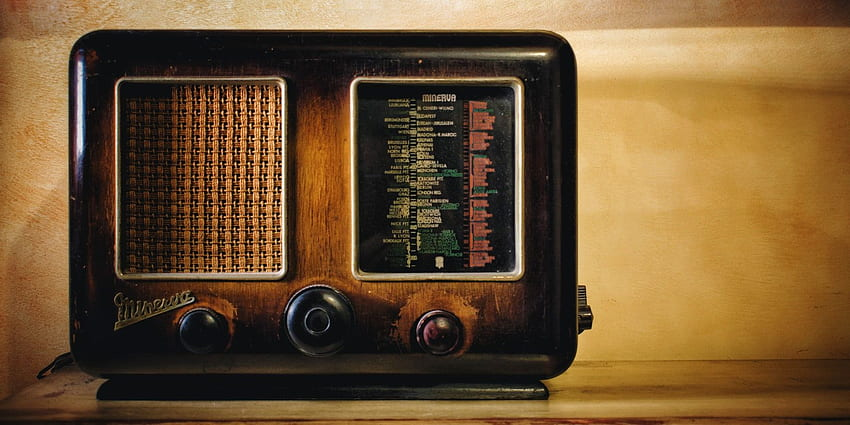
This voice actor could speak 300 words per minute and made millions for racetracks.
In today’s fragmented media landscape, modern advertisers struggle to create memorable radio ads that cut through the noise. With listeners constantly switching stations, skipping commercials, and dividing attention between multiple devices, the challenge of crafting radio spots that actually work has never been greater. Yet the solution to this modern problem might lie in a vintage advertising technique from the 1970s—an era when radio ruled and a particular style of commercial delivery became legendary.
That technique was known as the “screamer,” and its most famous practitioner was Larry Huffman, nicknamed “Supermouth.” His machine-gun delivery style generated millions in revenue for racetracks, car dealerships, and retailers across America. While modern advertising has evolved toward softer, more conversational approaches, there’s compelling evidence that the core principles behind screamer-style ads still hold tremendous power—if adapted correctly for today’s audience.
Act 1: The ‘Screamer’ Style—When Speed Created Urgency
The screamer technique emerged during radio’s golden age of local advertising, when AM stations dominated the airwaves and 60-second spots were the standard commercial unit. Unlike today’s polished, production-heavy commercials, screamer ads stripped everything down to pure vocal performance. The formula was deceptively simple: one voice actor, speaking at breakneck speed, delivering offer after offer with relentless energy and enthusiasm.
But speed alone wasn’t the secret. The genius of the screamer style lay in how it manufactured urgency.
When Larry Huffman voiced a spot for a horse racing track, he didn’t just read copy—he created an event. His rapid-fire delivery communicated that something important was happening right now, and if you didn’t act immediately, you’d miss out. The pace itself became a psychological trigger. Research in consumer psychology shows that faster speech rates can increase perceived credibility and create a sense of time pressure, both of which drive purchasing decisions.
The technique worked particularly well for certain types of offers:
Limited-time promotions: The speed reinforced that time was running out. When Huffman rattled off “This Saturday only! Gates open at noon! First race at one! Reserved seating going fast!” the velocity of the words matched the urgency of the deadline.
Multiple-item sales: Car dealerships and furniture stores used screamers to pack dozens of products and prices into a single spot. The rapid listing created the impression of abundant value and overwhelming deals.
Entertainment and events: Racetracks, concerts, and sporting events benefited from the excitement that high-energy delivery naturally generated. The ad itself became entertainment.
The structural elements of a classic screamer ad followed a specific pattern. It opened with an attention-grabbing statement or question delivered at maximum intensity. The body packed in details, offers, and calls-to-action without pause. The close drove home the urgency one final time with location, date, and a command to act. All of this happened in 60 seconds or less.
What made screamers effective wasn’t just that they were loud or fast—they were dense. In an era before DVRs, streaming, or smartphones, capturing and holding a listener’s attention for 60 seconds was achievable. The screamer style bombarded listeners with so much information, delivered with such confidence and energy, that even if you only caught half the details, you remembered the advertiser and the basic offer.
Act 2: The Legend of ‘Supermouth’ and Why Voice Talent Mattered
Larry “Supermouth” Huffman wasn’t just reading fast—he was performing at an elite level that few could match. His ability to speak 300 words per minute while maintaining clarity was genuinely remarkable. To put that in perspective, the average conversational speech rate is 150 words per minute. Professional auctioneers speak around 250 words per minute. Huffman was operating at a level that required extraordinary breath control, articulation, and vocal stamina.
But technical skill alone doesn’t make millions for advertisers. What separated Huffman and other successful screamer-style voice actors from mere fast talkers was personality.
Listen to recordings of vintage screamer ads (many are preserved on YouTube and advertising archives), and you’ll notice something beyond the speed: there’s genuine enthusiasm, theatrical timing, and strategic emphasis. Great screamer voices knew when to punch a price point, when to let a crucial detail breathe for a half-second, and how to build to a climactic call-to-action. They brought character to what could have been monotonous list-reading.
This personality dimension created something valuable: advertiser branding through voice. When the same voice actor appeared consistently in ads for a business, that voice became sonic branding. Listeners developed familiarity and even affection for these voices. You might not remember the exact details of last week’s ad, but when you heard that voice again, you knew immediately who was advertising and that they probably had a deal worth checking out.
The economics of voice talent in this era also mattered. Hiring a skilled screamer wasn’t cheap, but it was cost-effective. A single voice actor could record multiple versions of an ad in one session, adapting for different day-parts or tweaking offers. There were no expensive production costs—no music licensing, no sound effects, no ensemble casts. The voice was the production.
Huffman’s work for racetracks demonstrates the power of this approach. Horse racing and dog racing faced a consistent challenge: getting casual fans to show up on weeknights and off-season dates. The screamer style solved this by making every race night sound like the most exciting event in town. The energy in Huffman’s voice suggested that everyone who was anyone would be there, and if you stayed home, you were missing out on something special.
This psychological positioning is crucial. The screamer technique didn’t rely on rational persuasion or emotional storytelling in the contemporary advertising sense. Instead, it used pure energy to bypass critical thinking. The ads created a feeling of excitement and urgency that made the rational decision to attend or purchase feel obvious.
Other legendary screamer voices emerged across different markets. Nearly every major radio market in the 1970s and 1980s had at least one prominent screamer-style voice actor who became locally famous. These weren’t national celebrities, but within their markets, their voices were as recognizable as any radio DJ or news anchor.
Act 3: Adapting Vintage Techniques for Modern Radio Campaigns

The advertising landscape has changed dramatically since the screamer era. Regulations are stricter, audience expectations have evolved, and radio itself has been challenged by digital alternatives. Does this mean the screamer technique is obsolete? Not necessarily—but it requires thoughtful adaptation.
What still works:
Energy and enthusiasm remain powerful differentiators. In an advertising environment dominated by gentle background music and conversational voice-overs, a high-energy delivery can still cut through. Modern listeners are accustomed to monotonous commercial breaks where every ad sounds like every other. A spot with genuine vocal excitement stands out.
Strategic speed can still create urgency. You don’t need 300 words per minute to generate time pressure. Even moderately paced delivery—say, 200 words per minute—sounds fast compared to typical modern commercial pacing. This accelerated pace can effectively communicate limited-time offers and flash sales.
Personality-driven voice talent creates memorable branding. The principle of sonic branding through a distinctive voice actor remains valid. Businesses that consistently use the same talented, energetic voice can build recognition and trust with local audiences.
Density of information can demonstrate value. When done skillfully, packing more details into a spot can actually increase perceived value. Listeners subconsciously equate more information with more substance and better deals.
What needs updating:
Clarity must be prioritized. Modern listeners multitask more than ever. If your rapid-fire ad isn’t clearly understood, it fails entirely. The key is strategic pacing—fast enough to create energy, clear enough to comprehend. This means working with voice talent who can articulate at higher speeds without sacrificing intelligibility.
Integration with digital is essential. A high-energy radio spot should drive listeners to a simple digital action. The call-to-action needs to be something easily remembered: a short URL, a simple search term, or a text-to-respond number. The screamer technique generated immediate action; modern adaptations should direct that action to trackable digital channels.
Music and production can enhance without overwhelming. Pure voice worked in the 1970s partly because production costs were prohibitive for many advertisers. Today, strategic use of music beds and sound design can amplify the energy of a high-speed voice-over without distracting from the message. The key is keeping production subordinate to the voice.
Compliance and accuracy are non-negotiable. Modern advertising regulations, especially around disclosures and disclaimers, make pure screamer-style delivery challenging. The solution is architectural: structure your ad so required disclaimers are handled with slightly slower, clearer delivery, while maintaining high energy in the main selling portions.
Practical application strategies:
For retail and limited-time offers: Use moderately fast delivery (180-220 words per minute) with strong emphasis on price points and deadlines. Open with high energy to grab attention, deliver 3-5 strong offers with clear pricing, close with urgent call-to-action and simple next step.
For events and entertainment: This category still benefits most from classic screamer energy. The excitement in the delivery matches the excitement of the event itself. Focus on creating FOMO (fear of missing out) through enthusiastic listing of features, performers, or experiences.
For service businesses: A modified approach works best. Use energy bursts for special offers or seasonal promotions, but maintain conversational credibility for brand positioning. Consider a “hybrid” spot that opens with high energy for the offer, then downshifts to build trust.
Testing and optimization: Modern radio advertisers have advantages their 1970s counterparts didn’t: analytics. Test high-energy approaches against standard conversational delivery. Track response rates, website traffic spikes, and promotional code usage. The data will reveal whether vintage techniques resonate with your specific audience.
Finding the right voice talent: The screamer technique requires genuinely skilled voice actors. Look for talent who can demonstrate:
– Sustained high-energy delivery without sounding artificial
– Clear articulation at speed
– Ability to emphasize key information strategically
– Personality and character, not just technical proficiency
– Professional breath control and vocal stamina
Many markets still have voice actors who remember and can execute screamer-style delivery. Others have developed high-energy styles that work similarly. The key is finding talent who understands that speed and energy must serve clarity and persuasion.
The Enduring Power of Vocal Urgency
Larry Huffman’s 300-words-per-minute delivery made millions for his clients because it solved a fundamental advertising challenge: breaking through indifference. In an era of infinite media choices and fragmentary attention, that challenge has only intensified.
The screamer technique shouldn’t be thoughtlessly replicated—the advertising environment has changed too much. But its core insights remain valuable: energy attracts attention, urgency drives action, and personality creates memory. Modern advertisers who can adapt these principles, combining vintage vocal techniques with contemporary production and digital integration, can create radio campaigns that don’t just fill airtime but actually drive measurable results.
The next time you’re crafting a radio campaign, consider whether your message might benefit from more energy, more urgency, and more personality. Not every product or service suits high-speed delivery, but for the right offers—especially time-sensitive promotions, events, and retail sales—a modernized screamer approach might be exactly what cuts through today’s noise.
After all, if it could make millions for racetracks in the 1970s, imagine what it could do with today’s targeting capabilities, analytics, and digital follow-through.
Frequently Asked Questions
Q: What made Larry ‘Supermouth’ Huffman’s voice-over technique so effective?
A: Huffman combined extraordinary technical skill (speaking up to 300 words per minute) with theatrical personality and strategic emphasis. His rapid delivery created urgency and excitement while remaining clear and comprehensible. He didn’t just read fast—he performed with genuine enthusiasm that made every offer sound unmissable, turning what could have been monotonous list-reading into compelling entertainment.
Q: Can screamer-style radio ads work with modern advertising regulations?
A: Yes, with adaptation. Modern regulations require clear disclaimers and disclosures that don’t suit extreme rapid-fire delivery. The solution is structural: use high-energy, faster-paced delivery for the main selling message and offers, then slow slightly for required legal language. The energy and urgency can still be present while meeting compliance requirements.
Q: What types of businesses benefit most from high-energy radio advertising?
A: Time-sensitive retail promotions, entertainment venues, sporting events, and racetracks benefit most from high-energy delivery. Any business with limited-time offers, flash sales, or events where urgency is genuine can effectively use adapted screamer techniques. Service businesses can use selective high-energy moments for specific promotions while maintaining conversational credibility for overall brand building.
Q: How fast should voice-over delivery be in a modern radio ad?
A: While vintage screamers reached 300 words per minute, modern effective high-energy delivery typically ranges from 180-220 words per minute—faster than conversational (150 wpm) but not so fast that clarity suffers. The exact pace depends on content complexity, target audience, and whether you’re listing multiple offers or focusing on a single message. Clarity must always be prioritized over pure speed.
Q: Is voice talent more important than production quality in radio advertising?
A: Voice talent is the foundation, but modern radio ads benefit from both. In the 1970s screamer era, pure voice worked partly because production costs were prohibitive. Today’s best approach combines skilled, high-energy voice talent with strategic production elements—music beds, sound design—that enhance rather than compete with the voice. The voice should remain the primary focus, with production amplifying its impact.