
Generation Alpha Characteristics: What Marketers Need to Know

Imagine a child already handling a tablet before they can even tie their shoes, or calling out to Alexa for music. This has become a norm for Generation Alpha. At Roareye, we believe that understanding Generation Alpha characteristics is crucial for building marketing strategies that will transform your business in the future.
Born between 2010 and 2025, Generation Alpha is growing up in a digital-first world. They are the most tech-immersed, globally connected, and socially aware generation we’ve ever seen. Although they are still quite young now, they already influence household purchases and will soon represent the largest consumers that businesses have ever had to engage.
Who Is Generation Alpha and How Many Are There?

Before going into generation alpha characteristics that make them stand out, let’s get to know who this generation actually is and what has changed from the previous generations.
Defining the Alpha Generation
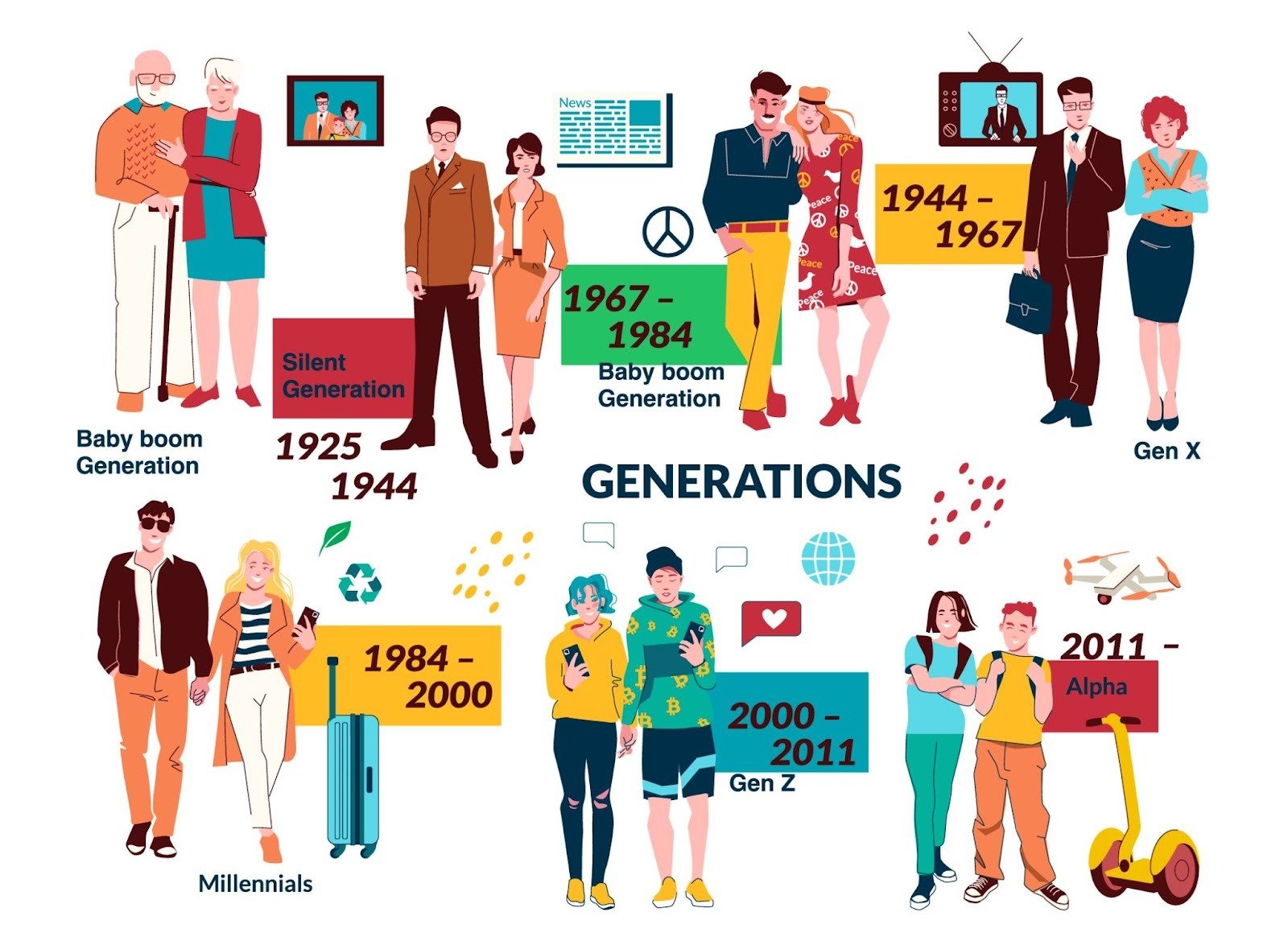
Generation Alpha includes kids born from 2010 to 2025. They’re the children of Millennials and younger siblings of Gen Z. Unlike the generations before them, they’ve never known life without smartphones, YouTube or social media. For them, technology is just normal.
How Many Generation Alphas Are There?
By 2025, there will be around 2.2 billion Generation Alphas worldwide, making them the largest generation in history. Even now, children under 12 influence $130–$670 billion in household spending every year. From what cereal ends up in the grocery cart to which vacation spot a family chooses, Alphas already have a powerful voice at home.
That’s why understanding Generation Alpha characteristics is crucial, even if they’re not yet direct buyers.
What Are the Key Characteristics of Generation Alpha?
Every generation develops habits, preferences, and values that shape how they interact with brands.So, what are the Generation Alpha characteristics that set them apart? Here are two big ones marketers need to know.
Tech-Savvy and Interactive Learners

This is the first generation raised fully in the digital age. Tablets, voice assistants, Roblox, and Minecraft aren’t “new technologies” to them. They’re stuff they use every day. Unlike Gen Z, who adapted to tech, Alphas are born digital.
That means Generation Alpha marketing can’t rely on static ads or banner placements. These kids want interactivity, gamification, and experiences they can shape themselves.
Value-Driven and Socially Aware
Climate change, diversity, equality, and mental health are topics they’re growing up around. So they also know and care about these things. They’re also learning about online safety and data privacy in school, which makes them far more cautious about personal data than Gen Z ever was at their age.
For marketers, this means you have to be authentic in your creations. If your values don’t line up with theirs, they’ll scroll right past you.

How Generation Alpha Differs From Previous Generations
To really grasp the uniqueness of Gen Alpha, it helps to compare them with the generations that came before.
Generation Z vs Generation Alpha
Gen Z may feel like the closest to Generation Alpha, but there are important differences. Marketing for Generation Z relies heavily on social media platforms, influencer culture, and viral trends.
Marketing for Generation Z usually emphasizes identity, self-expression, and engagements on social media. While, Generation Alpha marketing focuses on engaging experiences, collaboration, and virtual economies. Simply put, while Gen Z “posts,” Gen Alpha “plays.”

Generation X & Millennials in Contrast
Now let’s look further. Gen X (born 1965–1980) values stability, practicality, and loyalty. They tend to respond to informative content and reliable customer service. Millennials (1981–1996), on the other hand, crave convenience, digital-first experiences, and brands that align with their lifestyle values.
Generation Alpha, as the children of Millennials, are inheriting those values but amplifying them in a hyper-digital world. Comparing marketing to Generation X with Generation Alpha marketing shows just how far strategies have shifted: from traditional ads to influencer-led campaigns, from TV spots to TikTok shorts, from word-of-mouth to Roblox brand experiences.
Marketing to Generation Alpha: Strategies That Work
Now that we know generation alpha characteristics and context, let’s talk strategy. What actually works when marketing to this powerful up-and-coming generation? To connect with Alphas, marketers need to focus on building trust and creating experiences that feel exciting.
Build Trust Through Authenticity & Values
Gen Alpha isn’t buying into polished, picture-perfect ads. They want brands that stand for something real, whether that’s sustainability, inclusion, or mental health advocacy. Partnering with the right generation alpha influencers can help, as long as the content feels relatable and genuine.
Create Immersive, Interactive Campaigns
Forget passive content. Gen Alpha wants to participate. That could mean AR filters on Instagram, gamified shopping experiences, or branded spaces inside Roblox and Minecraft.
If marketing for Generation Z was about being shareable, marketing to Generation Alpha is about being playable. Campaigns that let them interact, explore, and co-create are the ones that will stick.
At Roareye, we see this as the future of engagement. To win with Alphas, brands must invite them into an experience, not just show them an ad.
Conclusion
Understanding Generation Alpha characteristics is more than just following trends; it’s about getting ready for a future where they will influence culture, spark innovation, and wield incredible buying power. Brands that take action now towards Generation Alpha marketing will be the ones that lead the way tomorrow.
At Roareye, we’re all about helping forward-thinking brands stay ahead. Whether it’s through influencer campaigns or exciting digital strategies, we’re crafting the marketing of tomorrow. If your brand is eager to connect with Generation Alpha and beyond, we’re here to help you make it happen.
FAQs About Generation Alpha
1. What are the main generation alpha characteristics?
Generation Alpha is tech-savvy, globally connected, socially aware, and value-driven. They expect personalized and interactive experiences from brands.
2. How is Generation Alpha different from Generation Z?
While Gen Z embraced social media and influencers, Generation Alpha takes it further with immersive technology, AI, and interactive experiences from an early age.
3. What role do influencers play in Generation Alpha marketing?
Generation Alpha influencers shape opinions and drive trends, helping brands appear more authentic and relatable to this young audience.