What Is Substack and How Does It Work? – Start Your Independent Writing Journey
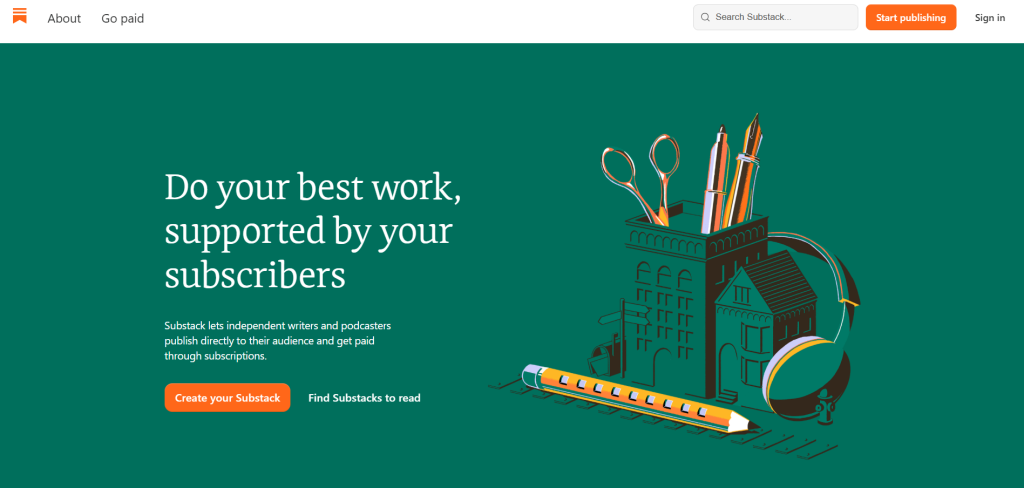
If you’ve ever wondered what is Substack and how does it work, you’re not alone. With the rise of independent creators and digital entrepreneurs, Substack has quickly become a go-to platform for writers looking to share their ideas and earn income on their own terms. In this guide, we’ll explore everything from what Substack actually is, to how writers use it to grow their audience, make money, and stand out in an increasingly noisy online world.
At RoarEye, we believe in spotlighting tools that empower creators. Whether you’re new to digital publishing or you’re planning your next big project, this article will walk you through how Substack for writers, Substack monetization, and platform comparisons like Substack vs other platforms can help you make smart, confident decisions. Let’s dive in.
What Is Substack? – Get to Know the Platform
Substack is a platform that lets writers and content creators send newsletters to their audience, build communities, and get paid, all in one place. It launched in 2017, founded by Chris Best, Hamish McKenzie, and Jairaj Sethi, with a vision to give power back to writers.
Instead of chasing ads or being buried in social feeds, writers can now connect directly with their audience via email and paid subscriptions. Substack gives you a simple, no-code setup to start writing immediately. Whether you’re a journalist, hobby blogger, or seasoned author, the platform lets your voice shine.
How Does Substack Work? – Understand the Basics
Substack makes it easy for both writers and readers. Here’s how:
- For writers: You sign up, name your publication, and start posting. Your content is sent directly to subscribers’ inboxes. You can choose to offer your newsletter for free or put it behind a paywall.
- For readers: They can follow your newsletter by signing up with their email. Free readers receive open-access content. Paid subscribers get exclusive updates, community perks, or bonus formats like podcasts and videos.
You don’t need to worry about payment processing, design, or delivery tools. Substack handles all of that. Your job is to write, connect, and grow.
Substack for Writers – Empower Your Voice
Substack is especially useful for writers who want to own their content and grow an audience on their terms. The platform is user-friendly, and you can start publishing within minutes. No coding, plugins, or tech headaches required.
You can write essays, host a podcast, share research, or build a personal brand around niche topics. Substack also gives you the ability to:
- Use your own domain
- Access email analytics
- Enable comments and private threads
- Offer community discussions via Substack Chat
The writer has full control over branding, pricing, and what content is gated for paying subscribers. And best of all? You always own your mailing list.
Substack Monetization Explained – Turn Words Into Income
Let’s talk about money. Substack gives writers a clear way to earn through paid subscriptions. Here’s how it works:
- Set your price (monthly or annual)
- Choose what content stays free vs. paid
- Offer premium tiers like “founding member” access
Substack takes 10% of your revenue, and Stripe (their payment partner) charges standard processing fees. That means most of your income still goes directly to you.
Many writers earn hundreds or even thousands per month. Some of the top performers earn six or seven figures a year. You can also add affiliate links or sponsor messages to increase earnings.
Substack vs Other Platforms – Choose What Fits You
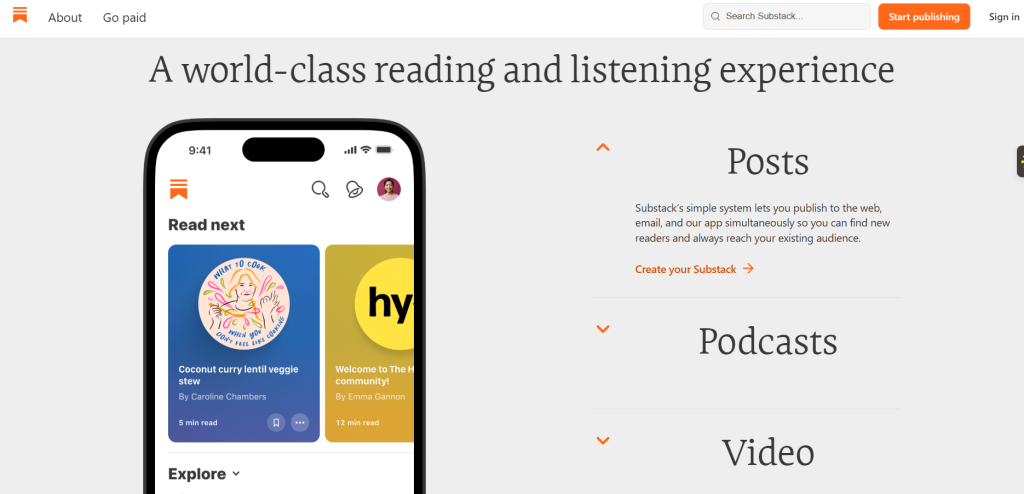
There are other platforms out there, but Substack keeps it simple and clean. Let’s compare:
Substack vs Medium
- Medium uses a reader pool subscription model; you get paid based on reading time.
- Substack allows direct subscriptions. You keep your list, control, and pricing.
Substack vs Patreon
- Patreon supports creators of all types, including artists and podcasters.
- Substack is designed for writers first, with built-in publishing and email tools.
Substack vs Ghost or Beehiiv
- Ghost is more customizable, but it requires technical setup.
- Beehiiv has growth tools and ad support, but fewer native publishing features.
In the end, Substack wins for its all-in-one writing-first focus. It’s a solid choice if you want fast setup, community tools, and monetization without complexity.
Conclusion
So, what is Substack and how does it work? It’s a powerful platform that gives writers their independence back. From easy setup and audience building, to flexible monetization and creative freedom, Substack offers a space to publish with purpose.
As more creators look to control their income and voice, tools like Substack become essential. Whether you’re launching your first newsletter or planning to leave a traditional publication, now is a great time to explore what Substack can do for you.
FAQs
1. Is Substack free to use?
Yes, Substack is free if you don’t charge for subscriptions. You only pay fees when you start earning money from paid readers.
2. How do writers make money on Substack?
Writers earn through monthly or annual paid subscriptions, and they can add extra perks like founding memberships, sponsorships, or affiliate links.
3. Can I move my subscribers from another platform?
Yes. You can import existing email lists from platforms like Mailchimp, ConvertKit, or Revue. Substack makes it simple to migrate without losing your audience.
4. Do I need technical skills to start?
Not at all. Substack is built for ease of use. You can start publishing in minutes — no coding required.
5. What kind of content works best on Substack?
Newsletters, essays, analysis, stories, and even podcasts or videos. Anything that builds a loyal audience fits well.