
Controversial Baby Product Marketing Exposed: Inside FridaBaby’s Fear-Based Tactics
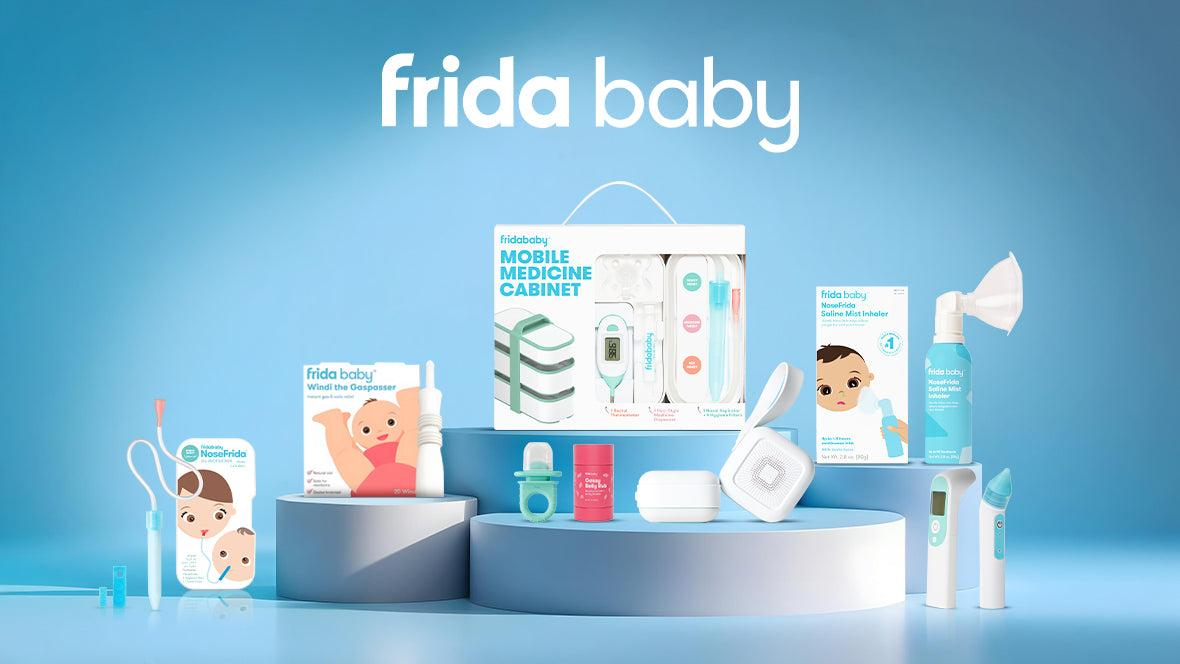
This baby brand has been using disgusting marketing for years. If you’ve scrolled through parenting forums, browsed baby registries, or spent any time in the new parent social media ecosystem, you’ve likely encountered FridaBaby’s distinctive brand of in-your-face, cringe-inducing product promotion. But beneath the company’s edgy, humor-laced exterior lies a sophisticated marketing machine that critics argue systematically exploits one of the most vulnerable consumer groups: anxious new parents desperate to keep their babies safe and healthy.
The Swedish-founded, U.S.-based company has built a devoted following and lucrative business by positioning itself as the straight-talking antidote to sanitized baby product marketing. Yet a closer examination of their tactics reveals a troubling pattern of fear-mongering, problem-creation, and the medicalization of completely normal infant experiences—all in service of moving product.
The Anxiety Economy and Vulnerable Parents
Manufacturing Fear in the Parenting Market
New parents represent marketing gold: they’re emotionally vulnerable, often first-time consumers in the baby category, highly motivated to purchase anything that promises their child’s wellbeing, and immersed in communities where product recommendations spread virally. This creates what consumer advocates call the “anxiety economy”—a market segment where products are sold not based on genuine need, but on manufactured fear.
FridaBaby has mastered this economy. The company’s rise from Scandinavian import to American baby registry staple didn’t happen through superior product innovation alone. It happened through a deliberate strategy of identifying normal, non-threatening aspects of infant care—nasal congestion, gas, nail trimming—and reframing them as urgent problems requiring immediate intervention with specialized tools.
The Psychology of Parental Vulnerability
Sleep-deprived, hormonally fluctuating, and bombarded with conflicting advice, new parents exist in a heightened state of vigilance. Every cough, sneeze, or cry can trigger panic. Marketing that speaks to these fears doesn’t need to be subtle—in fact, FridaBaby discovered that being aggressively explicit often works better.
This vulnerability is compounded by social media, where parents constantly compare their experiences and products. When one parent posts about using the NoseFrida nasal aspirator, others feel pressure to purchase it too, lest they be neglecting their congested infant. FridaBaby hasn’t just sold products; they’ve created a cultural expectation that “good parents” use their specialized tools.
FridaBaby’s Market Domination
Since launching in the United States in 2011, FridaBaby has expanded from their flagship NoseFrida product to an entire ecosystem of “solutions” for problems many pediatricians consider completely normal and self-resolving. Their revenue growth has been impressive, fueled by strategic retail partnerships with Target and Amazon, and aggressive social media campaigns that blur the line between education and advertisement.
Dissecting the Manipulative Playbook
The Gross-Out Factor as Marketing Strategy
FridaBaby’s most controversial tactic is what industry observers call “disgust marketing.” Their products are marketed with deliberately grotesque imagery and descriptions that simultaneously repel and compel. The NoseFrida—a tube parents use to manually suck mucus from their baby’s nose—is promoted with close-up shots of snot, visceral descriptions of congestion, and testimonials that emphasize how “gross but necessary” the process is.
This isn’t accidental. By making the marketing as uncomfortable as the perceived problem, FridaBaby creates a psychological equation: if the marketing is this intense, the problem must be serious. Parents who might otherwise use a simple bulb syringe (or wait for congestion to resolve naturally) are convinced they need this specialized, more expensive tool.
The Windi, a device marketed to relieve infant gas, takes this further. Promotional materials feature dramatic descriptions of babies’ digestive distress, implying that gas—a completely normal part of infant digestion—requires immediate mechanical intervention. The product is essentially a rectal catheter for babies, marketed with promises of “instant relief” that medicalize a temporary, harmless condition.
Medicalizing Normal Baby Functions
Perhaps FridaBaby’s most insidious tactic is the systematic medicalization of normal infant development. Babies get congested. They have gas. Their nails grow. These aren’t medical problems; they’re ordinary aspects of having a baby.
Yet FridaBaby’s marketing consistently frames these experiences in quasi-medical language. Congestion becomes a condition requiring “treatment.” Gas becomes a syndrome needing “relief.” Their packaging often features clinical-looking designs, and their marketing materials include testimonials from parents describing their baby’s “symptoms” and the product’s “effectiveness.”
This linguistic shift is powerful. By adopting medical framing for non-medical situations, FridaBaby implicitly positions their products not as conveniences or preferences, but as necessities. Parents aren’t choosing to buy these items; they’re responding to what’s presented as a health imperative.
Social Media Fear Amplification
FridaBaby’s Instagram and Facebook presence exemplifies modern influencer-driven fear marketing. Their feeds feature a carefully curated mix of humor, solidarity with exhausted parents, and subtle problem amplification. A typical post might show a frustrated parent dealing with a congested baby, accompanied by copy that validates their stress while suggesting their current approach (a bulb syringe, saline drops, or simply waiting) is inadequate.
The comment sections become echo chambers where parents share increasingly dramatic stories of their babies’ congestion, gas, or other minor issues, each narrative reinforcing the idea that these are serious problems requiring FridaBaby’s intervention. Critics argue the company actively cultivates these communities not for genuine support, but to create viral marketing engines.
User-generated content is weaponized too. Parents post videos of themselves using FridaBaby products—often with visceral close-ups of mucus extraction or gas relief—which the brand then reshares, creating an endless cycle of normalized medical intervention for normal baby experiences.
Creating Problems to Sell Solutions
The most ethically questionable aspect of FridaBaby’s approach is what consumer advocates call “problem creation.” Many parents, particularly first-timers, don’t know what’s normal versus concerning in infant care. FridaBaby exploits this knowledge gap by presenting normal situations as problems, then conveniently offering the solution.
Before FridaBaby’s aggressive marketing, most parents managed baby nail trimming with standard infant nail clippers or even careful finger-peeling. FridaBaby introduced specialized nail files and clippers marketed with fear-inducing warnings about cutting baby’s delicate skin. Suddenly, a straightforward task became a high-stakes procedure requiring specialized equipment.
This pattern repeats across their product line: identify something parents do routinely, inject fear about doing it wrong, offer a specialized (and more expensive) alternative.
Education or Exploitation? Finding the Ethical Line

The Defense: Empowerment Through Information
FridaBaby and their supporters argue their marketing isn’t exploitative—it’s empowering. The company positions itself as the brand willing to talk about the “real, messy” parts of parenting that others sanitize. In their narrative, they’re not creating fear; they’re acknowledging existing parental concerns and providing tools to address them.
There’s partial truth here. Many parents genuinely find FridaBaby products helpful. The NoseFrida, when used appropriately, can effectively clear infant nasal passages. Some parents appreciate having options beyond traditional baby care tools. And FridaBaby’s frank, humor-tinged approach resonates with parents tired of patronizing, overly precious baby marketing.
The company also points to their educational content, which includes guides on baby health and development. They argue they’re filling information gaps left by overwhelmed pediatricians and contradictory online advice.
The Critique: When Education Becomes Coercion
However, critics counter that there’s a crucial difference between providing information and engineering anxiety. Education empowers parents to make informed choices; manipulation removes genuine choice by making one option seem mandatory.
Dr. Sarah Mitchell, a pediatrician and parenting consultant, notes: “Many FridaBaby products address problems that either don’t exist or would resolve naturally. When marketing frames these as urgent issues requiring immediate purchase, that crosses from education into exploitation.”
Consumer advocates highlight the economic dimension. FridaBaby products are significantly more expensive than traditional alternatives. A NoseFrida costs around $20 compared to $3 for a bulb syringe. For already financially stressed new parents, marketing that makes the expensive option seem necessary rather than preferential raises ethical concerns.
The Parental Backlash
Increasingly, parents are pushing back. Online forums feature discussions questioning whether FridaBaby products are necessary or just clever marketing. Some parents report feeling guilty or inadequate for not purchasing certain products, only to later realize their babies were perfectly fine without them.
Parenting influencer Jessica Hover sparked controversy by posting: “FridaBaby convinced a generation of parents that normal baby functions are medical emergencies. We need to talk about how this anxiety-driven purchasing harms both our wallets and our confidence.”
The backlash reflects a broader reckoning with how parenting culture has become commercialized, with companies profiting from manufactured insecurity.
Industry-Wide Implications
FridaBaby isn’t alone in using these tactics—they’re just particularly effective at it. The entire baby product industry increasingly relies on fear-based marketing, from sleep training systems that pathologize normal infant wake patterns to feeding products that suggest standard bottles are inadequate.
Consumer protection advocates argue this trend demands regulatory attention. Unlike medical devices, which must prove necessity and safety, baby products face minimal scrutiny of marketing claims. This regulatory gap allows companies to make fear-inducing implications without substantiation.
The Verdict: Profit Over Parenting?
So where’s the line between legitimate product marketing and exploitative fear-mongering? The answer lies in intentionality and honesty.
Marketing that accurately represents a product’s purpose, acknowledges alternatives, and doesn’t artificially inflate the severity of common situations stays on the ethical side. FridaBaby’s approach—systematically medicalizing normal infant experiences, using disgust and fear as primary motivators, and creating problems to sell solutions—crosses into manipulation.
This matters because the consequences extend beyond wasted money. When parents are convinced normal baby functions require immediate intervention, it erodes their confidence in their own judgment and their baby’s resilience. It transforms parenting from a learning process into an anxious, purchase-driven checklist.
FridaBaby’s success has demonstrated that disgusting, fear-based marketing works remarkably well on vulnerable new parents. But effectiveness doesn’t equal ethics. As consumers become more aware of these tactics, the question becomes: will the market demand better, or will anxiety remain the most profitable parenting product?
The baby industry watches closely, because FridaBaby’s playbook—gross-out factor, medicalized language, social media amplification, and problem creation—has proven too lucrative for competitors to ignore. Unless parents collectively reject fear-based marketing, expect to see more brands following FridaBaby’s controversial lead, turning every aspect of normal infant care into a monetized problem requiring urgent solution.
Ultimately, the most controversial aspect of FridaBaby’s marketing isn’t that it’s disgusting—it’s that it’s deliberately designed to make already anxious parents feel inadequate without the right products. And that, more than any mucus-filled tube, is truly hard to stomach.
Frequently Asked Questions
Q: Are FridaBaby products actually harmful or dangerous?
A: Most FridaBaby products aren’t inherently dangerous when used as directed, though some pediatricians caution against overuse of devices like the Windi. The controversy isn’t about product safety—it’s about the marketing tactics that convince parents they need these products for normal, non-threatening baby situations that would typically resolve naturally or with simpler, cheaper alternatives.
Q: Is baby congestion really not a problem that needs treatment?
A: Most infant nasal congestion is completely normal and resolves on its own. Babies breathe primarily through their noses and can sound congested even when there’s no issue. While severe congestion that interferes with feeding or breathing requires medical attention, routine stuffiness is a normal part of infancy that doesn’t require specialized equipment. Saline drops and a bulb syringe are typically sufficient for comfort when intervention is desired.
Q: Why do so many parents swear by FridaBaby products if they’re unnecessary?
A: Many factors contribute to positive reviews: placebo effect (babies often improve naturally regardless of intervention), confirmation bias (having spent money, parents want to believe it helped), and community validation (seeing others praise products creates social proof). Some parents genuinely find certain products convenient or preferable to alternatives. The issue isn’t whether anyone finds them useful—it’s whether the marketing ethically represents the actual necessity of these products.
Q: How can new parents distinguish between legitimate product needs and fear-based marketing?
A: Ask: Does this product address a problem my pediatrician identified, or one the marketing created? Are there simpler, cheaper alternatives? Does the marketing use medical-sounding language for non-medical situations? Am I buying this because I need it, or because I’m afraid of what might happen without it? Consulting with your pediatrician before purchasing problem-solving baby products can help separate genuine needs from manufactured anxieties.
Q: Is this type of fear-based marketing legal?
A: Yes, currently most fear-based baby product marketing is legal because these products aren’t regulated as medical devices and advertising claims are often implied rather than explicit. Consumer protection laws prohibit false advertising, but suggesting that normal baby experiences are problems requiring intervention typically doesn’t cross that legal threshold. This regulatory gap is what allows companies like FridaBaby to use these controversial tactics without legal consequence.