
Best Performing TV Commercials of 2026: The Spots Breaking Through the Noise
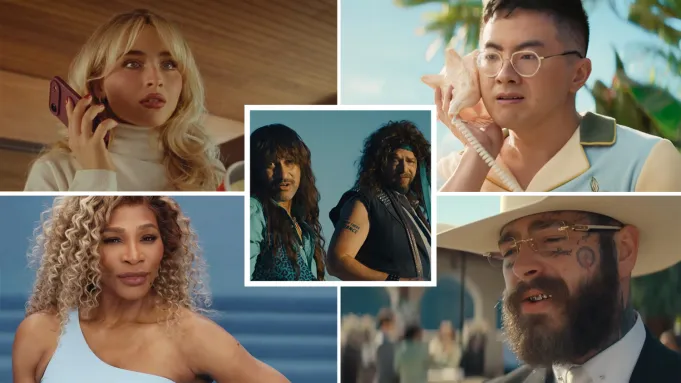
These TV commercials are breaking through the noise in 2026.
In an advertising landscape where viewers have become masters at tuning out, skipping ahead, or simply leaving the room during commercial breaks, identifying which spots actually resonate has never been more critical. This year’s data reveals a clear pattern: the commercials winning attention aren’t the ones shouting loudest about product features—they’re the ones audiences actively want to watch. For creative directors and brand advertisers navigating increasingly fragmented media consumption, understanding what’s working in 2026 offers essential insights into where commercial storytelling is headed.
Act 1: Humor Continues to Drive Commercial Viewership and Engagement
The numbers don’t lie: funny sells, but not in the way it used to. While humor has always been a staple of memorable advertising, 2026’s top-performing commercials demonstrate a sophisticated evolution in comedic approach. The ads generating the highest engagement metrics—measured through completion rates, social sharing, and brand lift studies—are those employing unexpected humor rather than broad slapstick.
Progressive’s “Therapy Sessions” Campaign
Progressive’s extension of their long-running character universe into group therapy sessions has become the year’s breakout success. Rather than direct product pitches, these 60-second spots feature their established characters (including Flo, Jamie, and the increasingly self-aware “Sign Spinner”) discussing the existential challenges of being advertising mascots. The meta-humor approach has driven a 43% increase in ad recall compared to their previous campaigns, with viewers actively seeking out new installments on YouTube.
What makes this work isn’t just the humor—it’s the creative team’s willingness to trust their audience’s sophistication. References to “always being on brand” and jokes about contract negotiations create layers that reward repeated viewing, driving organic social media discussion among creative professionals who see their own industry reflected back at them.
Geico’s “Unskippable” Series Evolution
Building on their 2010s innovation of addressing the skip button directly, Geico’s 2026 iteration embraces absurdist humor with cinematic production value. Their “Frozen Moments” campaign features elaborately staged scenarios that literally freeze mid-action, with only the Geico spokesperson moving through these tableaux to deliver product information. One spot featuring a frozen sneeze at a wedding has accumulated over 80 million organic views.
The engagement data reveals something crucial: viewers aren’t just tolerating these commercials—they’re choosing not to skip them even when given the option. In streaming environments where the skip button appears after five seconds, 67% of viewers watch these spots to completion, compared to an industry average of 23%.
Liquid Death’s “Death to Plastic” Dark Comedy
The canned water brand’s embrace of heavy metal aesthetics and dark humor has translated into some of 2026’s most-shared commercial content. Their “Support Group for Plastic Bottles” spot, featuring sad plastic bottles discussing their obsolescence, walks a tonal tightrope between absurd and genuinely poignant. The campaign has driven a 156% increase in brand searches and established Liquid Death as the most-mentioned beverage brand on creative industry forums.
What unites these humor-driven successes is a fundamental respect for viewer intelligence. Rather than explaining jokes or hitting punchlines too hard, these commercials trust audiences to meet them halfway—creating a sense of collaboration between brand and viewer that traditional advertising rarely achieves.
Act 2: Multi-Episode Commercial Series Building Brand Recall
The most significant structural innovation in 2026 advertising isn’t happening in individual spots—it’s in the serialized storytelling approach that’s transforming how brands build narrative equity.
Apple’s “Ecosystem” Mini-Series
Apple has deployed a genuinely serialized narrative across ten 90-second commercials, telling an interconnected story about a family-run bakery navigating expansion. Each spot focuses on a different Apple product solving a specific business challenge, but the throughline follows the family’s relationships and growth. Viewers have become invested not just in the products but in whether the daughter will convince her traditional father to embrace online ordering, or if the grandmother’s secret recipe will be compromised by scaling up.
The strategy’s effectiveness is measurable: brand tracking studies show 78% of viewers exposed to three or more installments can recall specific product features versus 34% for standalone Apple commercials. More significantly, the campaign has generated dedicated Reddit threads analyzing plot points and speculating about future episodes—treating commercials as appointment viewing.
State Farm’s “Jake Extended Universe”
State Farm’s decision to embrace Marvel-style continuity with their Jake character has paid unexpected dividends. Their 2026 campaign features ongoing storylines across multiple commercials, with references to previous “episodes” and evolving character dynamics. One spot’s cliffhanger ending—Jake receiving a mysterious phone call that’s only resolved in the following week’s commercial—generated genuine anticipation and social media speculation typically reserved for streaming series.
This approach solves a fundamental challenge in advertising: viewer burnout. Rather than seeing the same message repeated, audiences encounter familiar characters in new situations, maintaining freshness while building cumulative brand association. The strategy has increased State Farm’s aided brand awareness by 31% year-over-year.
Mayhem’s Return: Allstate’s Narrative Continuity
Allstate’s resurrection of their “Mayhem” character with a serialized twist has dominated Q3 and Q4 conversation. Rather than standalone disaster scenarios, this year’s campaign features Mayhem pursuing an ongoing vendetta against one particularly unlucky family across multiple commercials. The continuity creates investment—viewers tune in to see what catastrophe Mayhem visits upon these characters next, while the family’s Allstate coverage consistently saves them.
The serialized approach has driven a 52% increase in social media engagement compared to Allstate’s previous campaigns, with viewers creating “previously on” recap videos and fan theories about upcoming installments.
The Data Behind Serialization
Nielsen’s 2026 Commercial Engagement Report reveals why this format works: serialized commercials receive 41% more voluntary re-watches than standalone spots, and viewers exposed to three or more episodes in a series demonstrate 3.2x higher purchase intent than those seeing isolated commercials. The format essentially gamifies attention, transforming passive viewers into active followers.
For creative directors, the implications are profound: the most effective commercial strategy may not be creating a single perfect 30-second spot, but developing a narrative universe that can sustain multiple installments while maintaining coherence and viewer interest.
Act 3: Entertainment Value Driving Commercial Effectiveness
The unifying principle behind 2026’s most successful commercials represents a fundamental shift in advertising philosophy: the product pitch has become secondary to entertainment value.
Nike’s “Sunday League Chronicles”
Nike’s documentary-style series following actual amateur soccer players has generated more organic press coverage than most traditional campaigns receive from paid placement. Shot with the production quality of prestige HBO documentaries, these commercials spend minimal time on product features, instead crafting genuinely compelling character studies of weekend warriors pursuing athletic dreams around day jobs and family obligations.
The campaign’s effectiveness doesn’t come from direct calls-to-action—there are none. Instead, Nike positions itself as celebrating and understanding their audience’s reality, with gear appearing naturally in-scene rather than through product glamour shots. Post-campaign surveys show 68% of viewers didn’t initially realize they were watching commercials, yet brand favorability increased by 47% among target demographics.
Duolingo’s “Language Disasters”
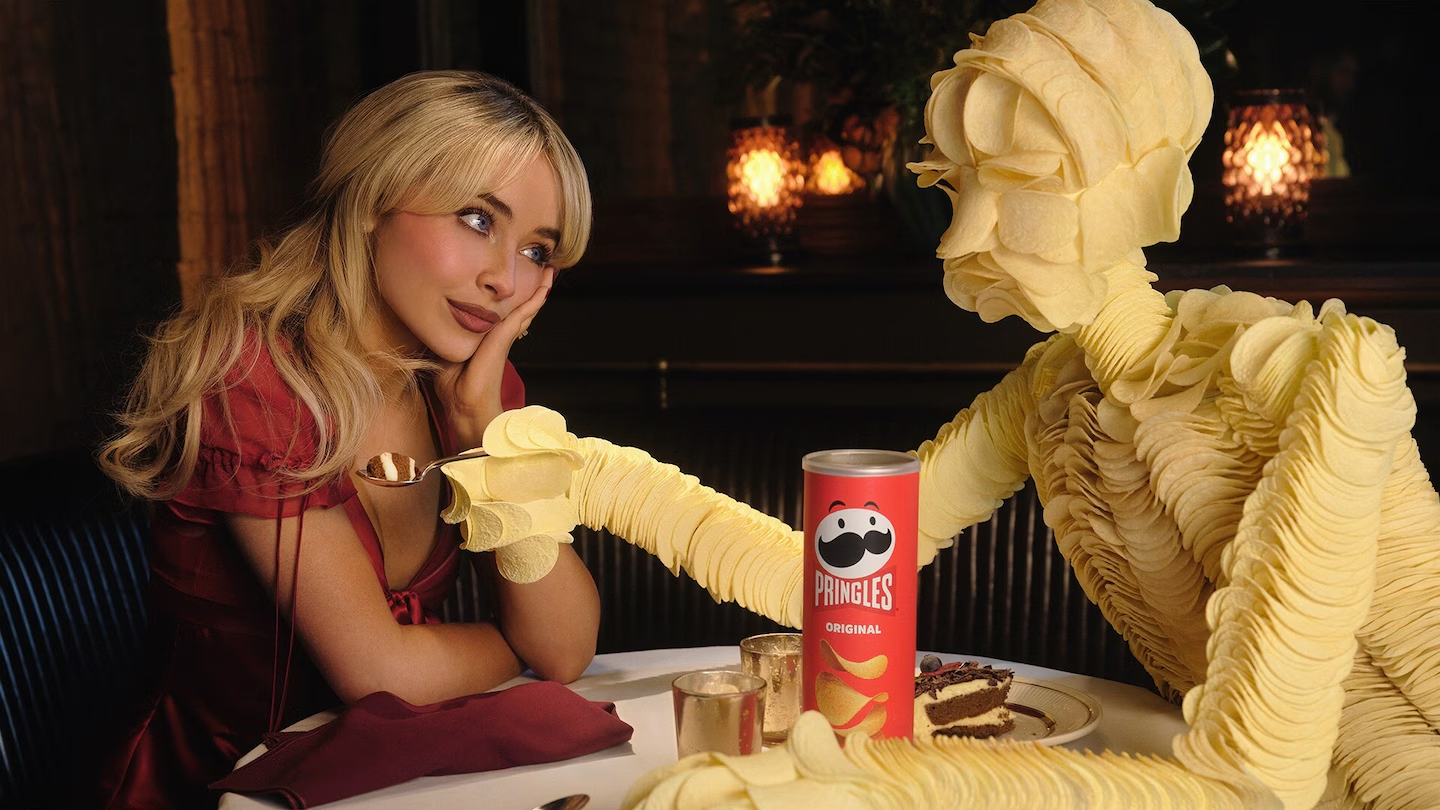
Duolingo’s adoption of a horror-comedy format for 2026 has transformed their commercial presence. Each spot presents a different “horror story” of language miscommunication abroad, shot with genuine suspense and production value before revealing humorous resolutions. One commercial featuring a business executive accidentally proposing marriage during a presentation has been parodied across TikTok, generating millions of impressions beyond the paid placement.
The entertainment-first approach has driven Duolingo’s app downloads up 89% year-over-year, with attribution studies directly linking commercial exposure to conversion. Critically, these viewers demonstrate 2.3x higher long-term retention than users acquired through traditional performance marketing.
Redefining Commercial Success Metrics
The 2026 landscape reveals that traditional commercial metrics—reach, frequency, brand recall—tell an incomplete story. The most successful campaigns are now measured by metrics borrowed from entertainment: completion rates, voluntary re-watches, social sharing, and organic content creation.
Consider the “entertainment value quotient” emerging as an industry standard: a composite score measuring how much viewers treat commercial content like entertainment rather than advertising. Commercials scoring in the top quartile demonstrate 5x higher effectiveness across all traditional metrics while requiring 30% less media spend to achieve equivalent reach.
For copywriters and creative directors, this represents both liberation and challenge. The constraint of compressing a message into 30 seconds remains, but the opportunity to build genuine entertainment within that constraint has never been greater. The brands winning in 2026 aren’t those with the biggest media budgets—they’re those whose creative teams understand that today’s viewers will grant attention to advertising only when it offers something beyond the transaction.
The Production Value Arms Race
None of this success happens cheaply. The average production budget for top-performing 2026 commercials has increased 73% compared to 2024, with many brands allocating resources comparable to short film production. Apple’s serialized campaign employed directors with feature film credits, while Duolingo’s horror-comedy spots used practical effects and cinematography indistinguishable from theatrical releases.
This creates a challenging dynamic for brands without premium budgets, though breakout successes like Liquid Death prove that conceptual strength can compete with production polish. The brand’s relatively guerrilla-style production approach has performed comparably to spots costing five times as much, suggesting that authentic creative vision remains the determining factor.
The 2026 Commercial Landscape: Key Takeaways
For brand advertisers and creative professionals studying this year’s successes, several clear principles emerge:
Trust Your Audience: The top-performing commercials assume viewer intelligence rather than explaining every beat. Meta-humor, serialized narratives, and subtle product integration all work because they respect viewers’ ability to make connections.
Entertainment Isn’t Optional: In a landscape where viewers control their attention absolutely, commercials compete not just with other ads but with all entertainment content. The spots breaking through offer genuine entertainment value independent of their commercial purpose.
Serialization Builds Equity: One-off commercials, no matter how brilliant, face inherent limitations. Serialized approaches allow brands to build cumulative narrative investment that compounds over time.
Humor Evolves: Broad comedy still has its place, but 2026’s most successful humor operates at multiple levels simultaneously—accessible enough for mass appeal while sophisticated enough to reward creative industry viewers who represent valuable word-of-mouth amplifiers.
Production Quality Matters: While concept remains king, the execution bar has risen significantly. Audiences accustomed to prestige television production won’t extend patience to poorly executed ideas, no matter how clever the concept.
The commercials breaking through in 2026 share a fundamental characteristic: they’re content viewers choose to watch rather than endure. This simple principle—making advertising that people actually want to experience—has always been the goal, but this year’s top performers demonstrate it’s increasingly the only viable strategy. For creative directors and brand advertisers, the message is clear: in the attention economy, entertainment value isn’t a creative flourish—it’s the core product.
Frequently Asked Questions
Q: What makes a TV commercial successful in 2026?
A: The most successful commercials in 2026 prioritize entertainment value over direct product pitches. They demonstrate high completion rates, generate voluntary re-watches, and create social sharing. Humor-driven content, serialized storytelling, and production quality comparable to premium entertainment content are defining characteristics of top performers.
Q: Why are serialized commercials performing better than standalone spots?
A: Serialized commercials build narrative continuity that transforms passive viewers into active followers. Data shows they receive 41% more voluntary re-watches than standalone spots and generate 3.2x higher purchase intent after three episodes. The format creates ongoing investment in characters and storylines, reducing viewer burnout while building cumulative brand association.
Q: How much do top-performing commercials cost to produce in 2026?
A: Average production budgets for top-performing 2026 commercials have increased 73% compared to 2024, with many brands allocating resources comparable to short film production. However, breakout successes like Liquid Death prove that strong concepts can compete with higher-budget productions, suggesting authentic creative vision remains the determining factor.
Q: What role does humor play in effective 2026 commercials?
A: Humor remains crucial but has evolved beyond broad slapstick. The most effective 2026 commercials employ unexpected, sophisticated humor that operates at multiple levels—accessible for mass appeal while rewarding creative industry viewers. Meta-humor, absurdist approaches, and comedy that trusts audience intelligence generate the highest engagement metrics.
Q: How should brands measure commercial success in 2026?
A: Beyond traditional metrics like reach and frequency, successful 2026 campaigns are measured by entertainment-focused metrics: completion rates, voluntary re-watches, social sharing, and organic content creation. The emerging ‘entertainment value quotient’ composite score measures how much viewers treat commercial content like entertainment, with top-quartile performers showing 5x higher effectiveness across all traditional metric