Evolution of TV Advertising: 2026 Trends That Are Reshaping the Industry
TV advertising isn’t dead—it’s just different. Here’s what changed in 2026.
The television advertising landscape has undergone a remarkable transformation over the past few years, challenging the persistent narrative that digital would completely consume traditional broadcast marketing. In 2026, TV advertising has evolved into something far more sophisticated, strategic, and integrated than its predecessors could have imagined. For brand managers, media strategists, and advertising students navigating this terrain, understanding these shifts isn’t optional—it’s essential.
The fundamental shift isn’t about survival; it’s about reinvention. Television advertising in 2026 represents a hybrid ecosystem where traditional broadcast reach meets digital precision, where entertainment value rivals promotional content, and where viewer engagement extends far beyond the 30-second spot.
Act 1: Serial Promo Strategies Driving Tune-In for New Shows
The most significant development in 2026’s TV advertising landscape is the rise of serial promo strategies—a fundamental departure from traditional episodic advertising approaches. Networks and streaming services have borrowed narrative techniques from the very content they’re promoting, creating promotional campaigns that unfold like mini-series themselves.
The Narrative Arc Approach
Unlike conventional trailers that simply showcase clips, serial promos now develop their own storytelling arcs across multiple weeks. A promotional campaign for a new drama series might begin with cryptic teasers focusing on atmosphere and mood, progress to character-focused spots that build emotional investment, and culminate in reveals that leave viewers with compelling questions only the show can answer.
This strategy has proven remarkably effective for several reasons. First, it creates multiple touchpoints with potential viewers, building familiarity without inducing ad fatigue. Each installment in the promo series offers something new rather than repeating the same message. Second, it generates conversation and speculation among audiences, particularly on social platforms where viewers dissect and debate what the promos might be hinting at.
Major networks report that shows launched with serial promo campaigns in 2026 have seen 34% higher first-episode viewership compared to traditional advertising approaches. More importantly, these shows demonstrate better audience retention through their first season, suggesting that the investment in narrative-driven promotion attracts more committed viewers.
Character-Centric Micro-Campaigns
Another dimension of serial promo strategy involves character-specific micro-campaigns. Rather than promoting a show as a single entity, networks create separate promotional tracks for individual characters or storylines. A ensemble drama might have five different promo series running simultaneously, each appealing to different audience segments.
This fragmented approach allows for precise targeting. Promos focusing on a show’s tech entrepreneur character might air during business news programming and be amplified on professional networking platforms, while promos highlighting romantic storylines appear during different dayparts and on lifestyle channels.
For brand managers, the lesson is clear: audiences in 2026 don’t respond to one-size-fits-all messaging. The serial promo strategy succeeds because it acknowledges viewer diversity and creates multiple entry points into the same content offering.
Building Anticipation Through Scarcity
Countering the instant-availability culture of streaming, serial promos in 2026 deliberately create scarcity and anticipation. Some campaigns withhold key information or release exclusive promo content only during live broadcasts of other popular shows, rewarding viewers who engage with traditional scheduled programming.
This manufactured scarcity has revitalized appointment viewing behaviors that many predicted would disappear entirely. When audiences know that new promo content will debut during a specific broadcast, they’re more likely to watch live or record the program—a valuable outcome for advertisers seeking to ensure their commercials reach viewers rather than being skipped.
Act 2: Integration of Commercial Content with Entertainment
The line between advertising and entertainment has become increasingly porous in 2026, with integration reaching new levels of sophistication that benefit both creators and brands.
Branded Content Blocks
Traditional commercial breaks have evolved into “content blocks” where advertising maintains thematic and sometimes narrative continuity with the programming it interrupts. A cooking competition show might transition into commercials that feel like bonus content—featuring contestants using sponsor products, or celebrity chefs discussing ingredients supplied by advertisers.
This integration isn’t product placement in the traditional sense. Instead, it represents a fundamental rethinking of how commercial messaging can complement rather than disrupt the viewing experience. Research from 2026 indicates that these integrated commercial blocks see 58% less ad-skipping in recorded content compared to traditional commercial breaks, and viewers report 42% higher recall of advertised brands.
Interactive Commercial Experiences
Advanced TV platforms in 2026 now support interactive commercial experiences that blur entertainment and advertising. Viewers watching on connected devices can engage with commercials through branching narratives, choosing which product features to learn about, or even making purchases without leaving their viewing screen.
A automotive commercial might allow viewers to select which car features interest them most, dynamically generating a personalized ad experience. A fashion brand’s commercial could let viewers vote on which outfit a model should showcase next, with results affecting what appears in subsequent commercial airings.
These interactive elements transform passive advertising into active engagement, generating valuable data about consumer preferences while maintaining entertainment value. For media strategists, the implications are profound: advertising metrics now extend beyond impressions and reach to include engagement depth, interaction time, and behavioral signals.
Entertainment-First Brand Integration
The most successful commercial content in 2026 prioritizes entertainment value over explicit selling. Brands increasingly function as content producers, creating short-form entertainment that happens to feature their products rather than interrupting entertainment with promotional messages.
A beverage company might produce a comedy web series that airs during commercial breaks, with products present but not prominently featured. A technology brand might sponsor a documentary-style series exploring innovation, subtly positioning their products as tools enabling human achievement rather than the focus itself.
This approach requires patience and sophisticated brand management. The commercial payoff isn’t immediate or always directly measurable through sales lift. Instead, these entertainment-first integrations build long-term brand affinity and cultural relevance—assets that justify their investment through sustained market positioning rather than quarterly returns.
The Creator Economy Crossover
Television advertising in 2026 has embraced influencer and creator partnerships in ways that feel native to TV rather than imported from digital platforms. Networks partner with YouTube creators, TikTok personalities, and podcast hosts to develop commercial content that leverages these creators’ authentic voices and existing audience relationships.
These aren’t simple celebrity endorsements. Instead, creators bring their production styles, communication approaches, and community engagement strategies to television advertising. A commercial featuring a popular video essayist might adopt that creator’s analytical style and visual language, making the ad feel like an extension of content their fans already value.
For advertising students entering the industry, understanding creator collaboration represents essential competency. The brands succeeding in 2026 recognize that influence and audience trust can’t be rented through simple sponsorship—they require genuine partnership and creative freedom.
Act 3: Cross-Platform Promotion Linking TV with Digital Channels
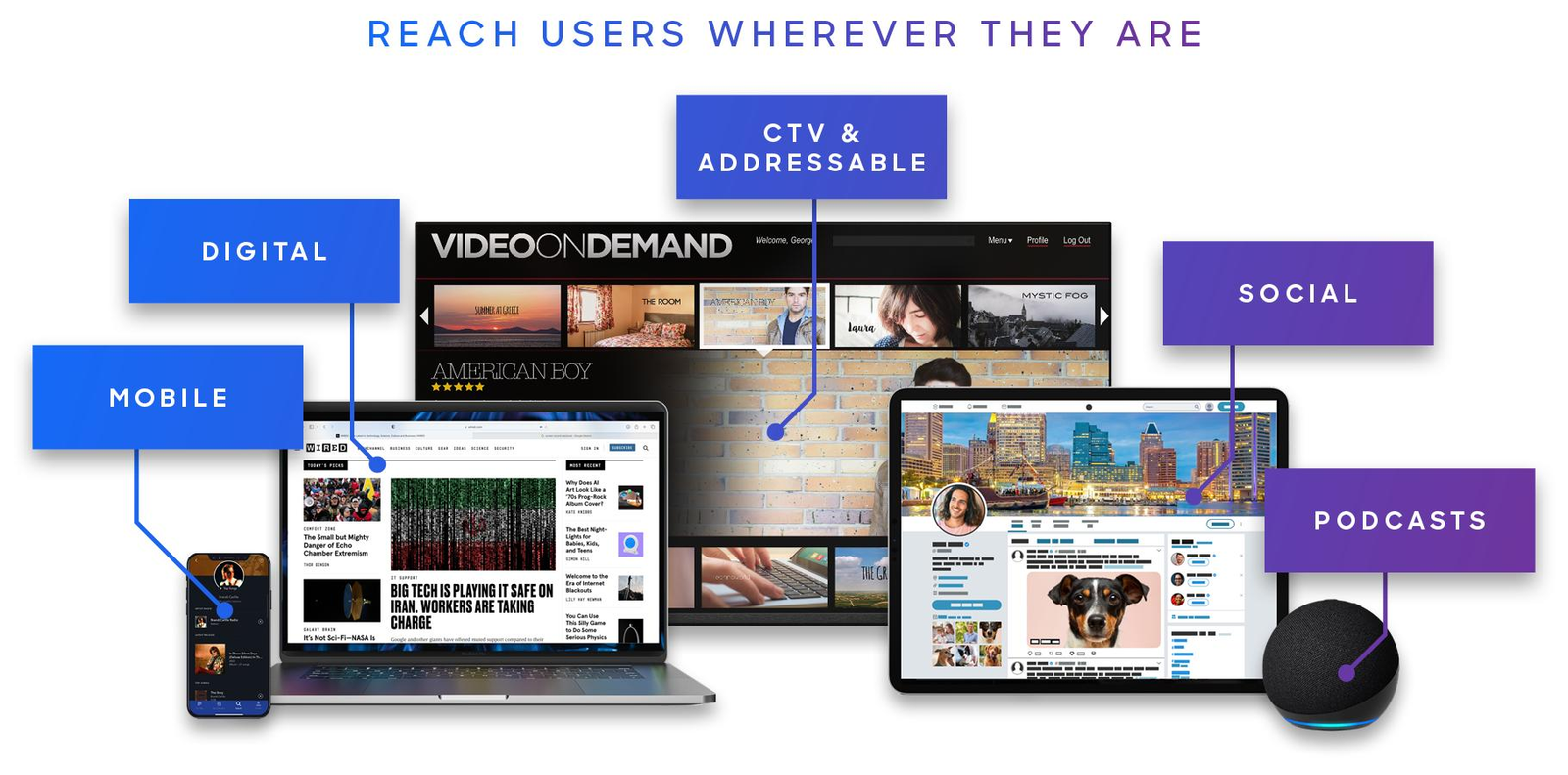
The most defining characteristic of 2026’s TV advertising ecosystem is its radical integration with digital channels, creating unified experiences that transcend platform boundaries.
The Companion Content Strategy
Every major TV advertising campaign in 2026 incorporates companion digital content designed to extend engagement beyond broadcast viewing. A commercial airing during primetime might include subtle prompts directing viewers to social platforms where additional content awaits—behind-the-scenes footage, extended versions, interactive experiences, or community discussions.
This strategy recognizes that viewers in 2026 routinely use multiple devices simultaneously. Rather than fighting this divided attention, effective campaigns harness it. The TV commercial serves as the anchor experience, while digital channels provide depth, interactivity, and community that traditional broadcast can’t accommodate.
Brands report that campaigns employing robust companion content strategies achieve 3-5x longer engagement times compared to broadcast-only approaches. A 30-second TV spot might generate only 30 seconds of attention, but when paired with compelling companion content, the same campaign can command several minutes of active engagement.
QR Codes and Instant Connectivity
After years of limited adoption, QR codes have become ubiquitous in 2026 TV advertising, driven by improved camera technology and changed consumer behaviors. Commercials routinely feature QR codes that viewers can scan for instant access to additional content, exclusive offers, or purchase options.
The key evolution isn’t the technology itself but how it’s deployed. Successful implementations integrate QR codes organically into commercial creative rather than awkwardly appending them. A travel commercial might feature a QR code as part of a boarding pass visual element. A food advertisement might incorporate it into package design shown on screen.
These connections generate valuable attribution data, allowing advertisers to track exactly which TV airings drive digital engagement and downstream conversions. For brand managers operating with accountability for ROI, this closed-loop measurement represents the holy grail that traditional TV advertising long struggled to provide.
Social Amplification as Core Strategy
Television advertising in 2026 is designed from inception for social media amplification. Campaigns aren’t simply aired on TV and then separately promoted on social platforms—they’re conceived as integrated experiences where social conversation is a primary objective rather than a secondary benefit.
Commercials now frequently include elements specifically designed to generate social discussion: unexpected celebrity appearances, humorous moments that become meme-worthy, or controversial takes that spark debate. The goal isn’t just reaching viewers during broadcast but creating content that viewers will share, discuss, and extend through their own social activity.
This approach has transformed success metrics. A commercial’s effectiveness isn’t measured only by its broadcast audience but by its social reach, earned media value, and cultural penetration. A spot that airs during programming with 5 million viewers but generates 50 million social impressions through sharing and discussion delivers vastly more value than its broadcast reach alone would suggest.
Programmatic TV and Real-Time Optimization
Perhaps the most technically sophisticated development in 2026 is the maturation of programmatic TV advertising, which brings digital advertising’s targeting precision and real-time optimization to television.
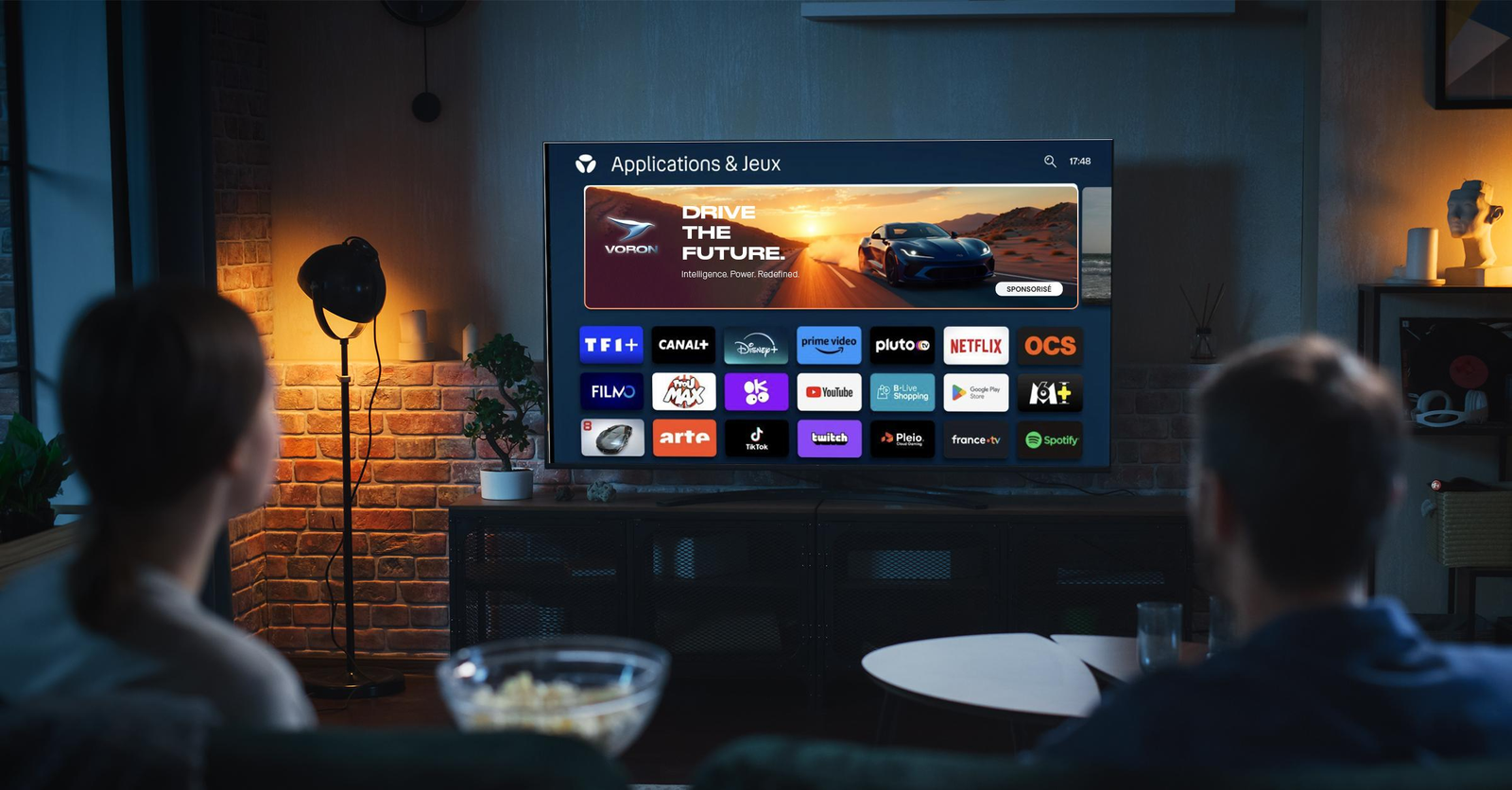
Advanced TV platforms can now serve different commercials to different households watching the same programming, based on demographic data, viewing history, and purchase behavior. A family watching a streaming service might see toy advertisements while their neighbors watching the same show see retirement planning commercials.
More impressively, campaigns can be optimized in near real-time based on performance data. If certain creative variations or messaging approaches demonstrate superior engagement or conversion in early airings, the system automatically shifts budget toward those elements for subsequent airings.
For media strategists, this capability represents a fundamental shift in planning and execution. TV advertising strategy in 2026 isn’t about selecting programs and negotiating rates, then waiting weeks to assess results. Instead, it involves continuous monitoring, testing, and optimization more reminiscent of digital campaign management than traditional broadcast buying.
The Connected Measurement Ecosystem
Underlying all cross-platform promotion strategies is an increasingly sophisticated measurement ecosystem that tracks viewer journeys across touchpoints. Advanced attribution modeling can now connect TV commercial exposure to website visits, app downloads, store visits, and purchases—even when these actions occur days or weeks after viewing.
This connected measurement solves television advertising’s historical challenge: proving ROI. While brand awareness and recall remain important metrics, advertisers in 2026 can demonstrate concrete business outcomes tied to their TV investments. This accountability has actually increased TV advertising budgets for many categories, as CMOs can justify expenditures with data demonstrating measurable returns.
The Integrated Future
Looking at television advertising in 2026, the overarching theme is integration—between entertainment and advertising, between broadcast and digital, between awareness and conversion, between mass reach and individual targeting.
For brand managers navigating this landscape, success requires abandoning outdated distinctions between “traditional” and “digital” media. Television advertising in 2026 is inherently digital, data-driven, and interactive, even when delivered through broadcast channels. The medium’s unique strength—its ability to create shared cultural moments and deliver premium video content in living room environments—remains powerful, but only when leveraged within integrated strategies that extend beyond the screen.
Advertising students entering this field must develop hybrid skill sets combining creative storytelling, data analysis, technology fluency, and platform-specific expertise. The discipline no longer allows for specialization in TV to the exclusion of digital channels, or vice versa. Understanding how these elements combine to create cohesive experiences is the essential competency.
Media strategists, meanwhile, must embrace complexity while maintaining strategic clarity. The proliferation of platforms, targeting options, and measurement capabilities creates enormous opportunity but also risk of fragmentation and inefficiency. The most effective strategies in 2026 maintain clear brand narratives and audience insights while deploying these across appropriate touchpoints.
Conclusion: Evolution, Not Extinction
Television advertising in 2026 hasn’t died—it has evolved into something more dynamic, accountable, and integrated than its predecessors. The funeral dirges played for TV advertising throughout the 2010s and early 2020s proved premature. Instead, the medium has adapted, incorporating the best capabilities of digital while maintaining the unique strengths that made television advertising powerful in the first place.
The brands and agencies thriving in this environment are those that recognized evolution as opportunity rather than threat. They’ve invested in new capabilities, embraced technological change, and reimagined what television advertising could become rather than mourning what it was.
For professionals working in this space, 2026 represents not an endpoint but a waypoint in ongoing evolution. The trends visible today—serial storytelling, entertainment integration, cross-platform connectivity—will themselves evolve as technology advances and consumer behaviors shift. The constant is change; the success factor is adaptability.
Television advertising isn’t dead. It’s different. And for those willing to engage with that difference, it remains one of the most powerful tools in the marketing arsenal.
Frequently Asked Questions
Q: How have serial promo strategies changed TV advertising in 2026?
A: Serial promo strategies transform traditional one-off commercials into narrative campaigns that unfold over multiple weeks, building anticipation similar to the shows they’re promoting. These campaigns create multiple touchpoints with audiences, generate social conversation, and have demonstrated 34% higher first-episode viewership compared to traditional approaches. They also include character-specific micro-campaigns that allow precise targeting to different audience segments.
Q: What is content integration in TV advertising and why does it matter?
A: Content integration in 2026 refers to commercial content that complements rather than interrupts programming, including branded content blocks that maintain thematic continuity with shows, interactive commercial experiences that let viewers engage directly, and entertainment-first brand content that prioritizes viewer enjoyment over explicit selling. This approach reduces ad-skipping by 58% and increases brand recall by 42% because it respects the viewing experience while maintaining commercial effectiveness.
Q: How does cross-platform promotion work in modern TV advertising?
A: Cross-platform promotion in 2026 creates unified experiences linking TV broadcasts with digital channels through companion content, QR codes for instant connectivity, social amplification strategies, and programmatic TV capabilities. TV commercials serve as anchor experiences while digital platforms provide depth and interactivity. This approach generates 3-5x longer engagement times and provides closed-loop measurement that connects TV exposure to downstream actions like website visits and purchases.
Q: What skills do advertising professionals need for TV advertising in 2026?
A: Modern TV advertising professionals need hybrid skill sets combining creative storytelling with data analysis, technology fluency, and cross-platform expertise. Success requires understanding how broadcast and digital channels integrate, how to design campaigns for social amplification, how to interpret attribution data across touchpoints, and how to create content that works across multiple platforms while maintaining consistent brand narratives. Specializing exclusively in traditional or digital approaches is no longer viable.
Q: Is TV advertising still cost-effective compared to digital alternatives?
A: TV advertising in 2026 has become more cost-effective due to improved attribution and accountability. Advanced measurement ecosystems now connect TV exposure to concrete business outcomes including website visits, app downloads, and purchases. Programmatic TV capabilities enable real-time optimization similar to digital campaigns. Many brands have actually increased TV budgets because they can now demonstrate measurable ROI that justifies the investment, particularly when leveraging TV’s unique strengths for creating cultural moments and reaching audiences in premium viewing environments.