
Best Performing TV Commercials of 2026: The Spots That Are Actually Stopping Scrollers
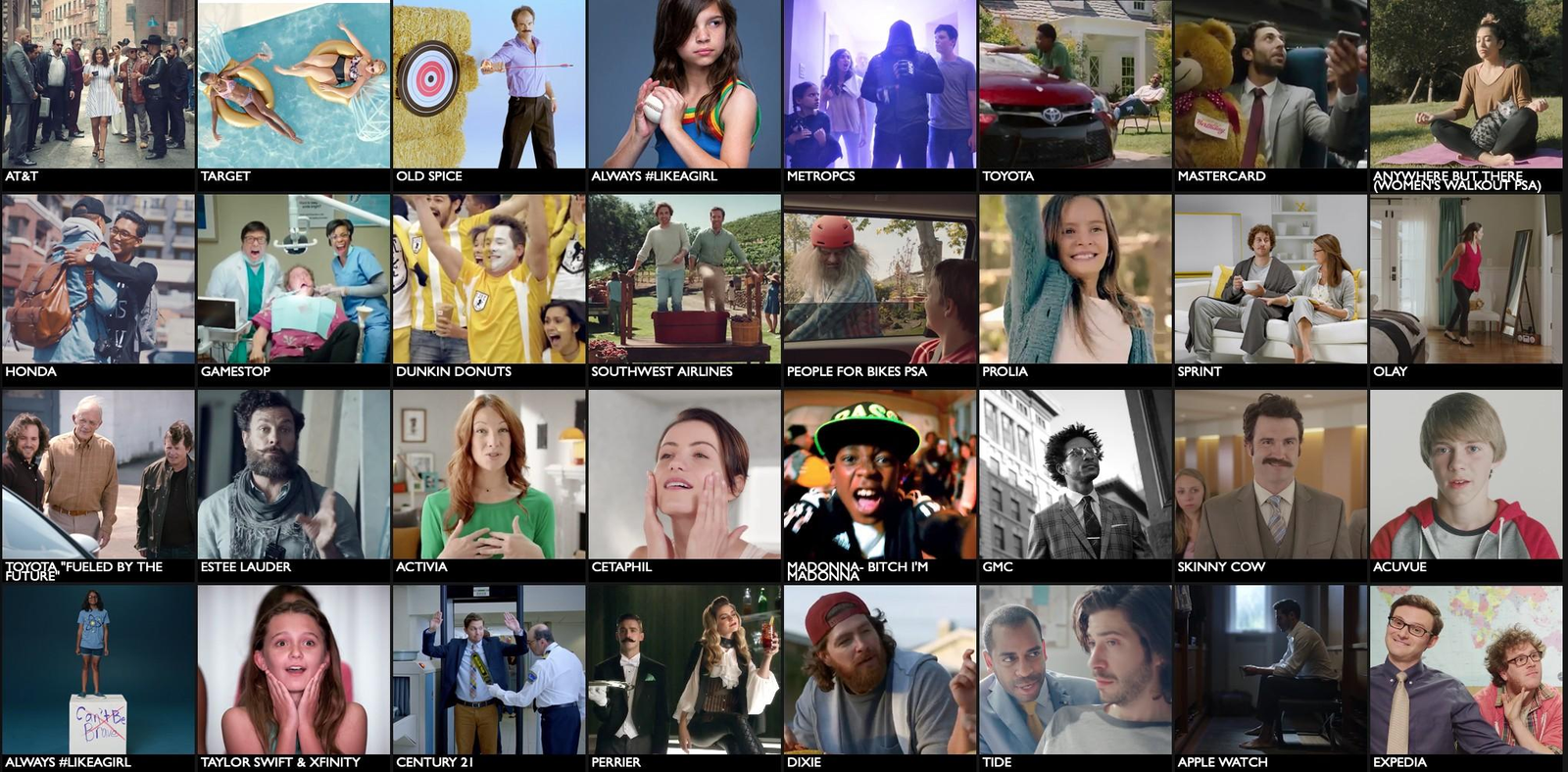
These TV commercials are breaking through the noise in 2026.
In an era where viewers can skip, scroll, or completely avoid advertising, identifying which television commercials are actually resonating with audiences has become both science and art. The best-performing spots of 2026 aren’t just measuring success in impressions—they’re driving genuine engagement, social conversation, and measurable brand lift that justifies their seven-figure production budgets.
The Comedy Renaissance: Why Humor Is Winning the Attention War
The data from 2026 is unequivocal: humor continues to drive commercial viewership and engagement at rates that dwarf other emotional appeals. But this isn’t your father’s slapstick advertising. Today’s top-performing humorous commercials demonstrate a sophisticated understanding of viewer psychology and cultural moment.
Consider the breakout success of the “Honest Insurance Agent” campaign that swept Q1. Rather than promising the world, the spots feature an insurance representative candidly admitting what the policy won’t cover, delivered with perfect deadpan timing. “Car gets hit by a meteor? We’ve got you. Car gets hit by your ex? That’s complicated.” The self-aware approach generated a 340% increase in brand searches and spawned countless social media parodies—the modern gold standard of advertising effectiveness.
What makes 2026’s humor different is its acknowledgment of advertising fatigue itself. The highest-performing spots don’t try to disguise their commercial intent. Instead, they lean into it with meta-commentary that treats viewers as sophisticated media consumers rather than passive targets. This transparent approach builds trust while entertaining—a dual achievement that traditional hard-sell tactics can no longer accomplish.
The automotive sector has particularly embraced this shift. The “Totally Not Compensating” electric truck campaign performs exceptionally with both its target demo and adjacent audiences precisely because it subverts expected masculinity messaging with self-effacing humor about vehicle size, range anxiety, and charging station awkwardness. Post-campaign surveys show 67% of viewers could recall specific product features—a dramatic improvement over the industry’s typical 23% recall rate.
The Serial Approach: Multi-Episode Storytelling in 30-Second Increments
Perhaps the most significant evolution in 2026’s commercial landscape is the emergence of multi-episode commercial series building brand recall through narrative continuity. These aren’t simple variations on a theme—they’re serialized stories with character development, plot progression, and cliffhangers that have viewers actively seeking out subsequent installments.
The phenomenon reached critical mass with the “Office Park After Dark” campaign for a productivity software company. Running across eight weeks, each 30-second spot advanced the story of mysterious occurrences in a corporate office after hours, with employees discovering their workflow software has been secretly optimizing their lives in unexpected ways. The campaign generated appointment viewing behavior typically reserved for premium television content, with social media tracking hashtags tallying each episode’s clues and theories.
This serialized approach delivers compound engagement that traditional one-off spots cannot match. Initial episodes hook viewers with mystery or humor, middle episodes deepen investment through character development, and finale episodes deliver payoff while reinforcing product messaging. The cumulative brand exposure creates neural pathways that single-exposure advertising simply cannot establish.
Food and beverage brands have pioneered the format with particular effectiveness. A major coffee chain’s “First Cup” series follows interconnected morning rituals across different cities, with recurring characters whose stories gradually intersect. Each episode works standalone but rewards loyal viewing with Easter eggs and narrative callbacks. The campaign achieved a 450% increase in social media engagement compared to their previous traditional spot rotation, with viewers creating fan wikis to track character appearances.
The production requirements are substantial—these campaigns demand showrunner-level planning, consistent casting, and narrative coherence across multiple spots. But the performance metrics justify the investment. Viewers who watch three or more episodes in a series demonstrate purchase intent rates 2.8 times higher than those exposed to equivalent frequency of unconnected spots.
Entertainment Value as Core Strategy: The Content-First Revolution
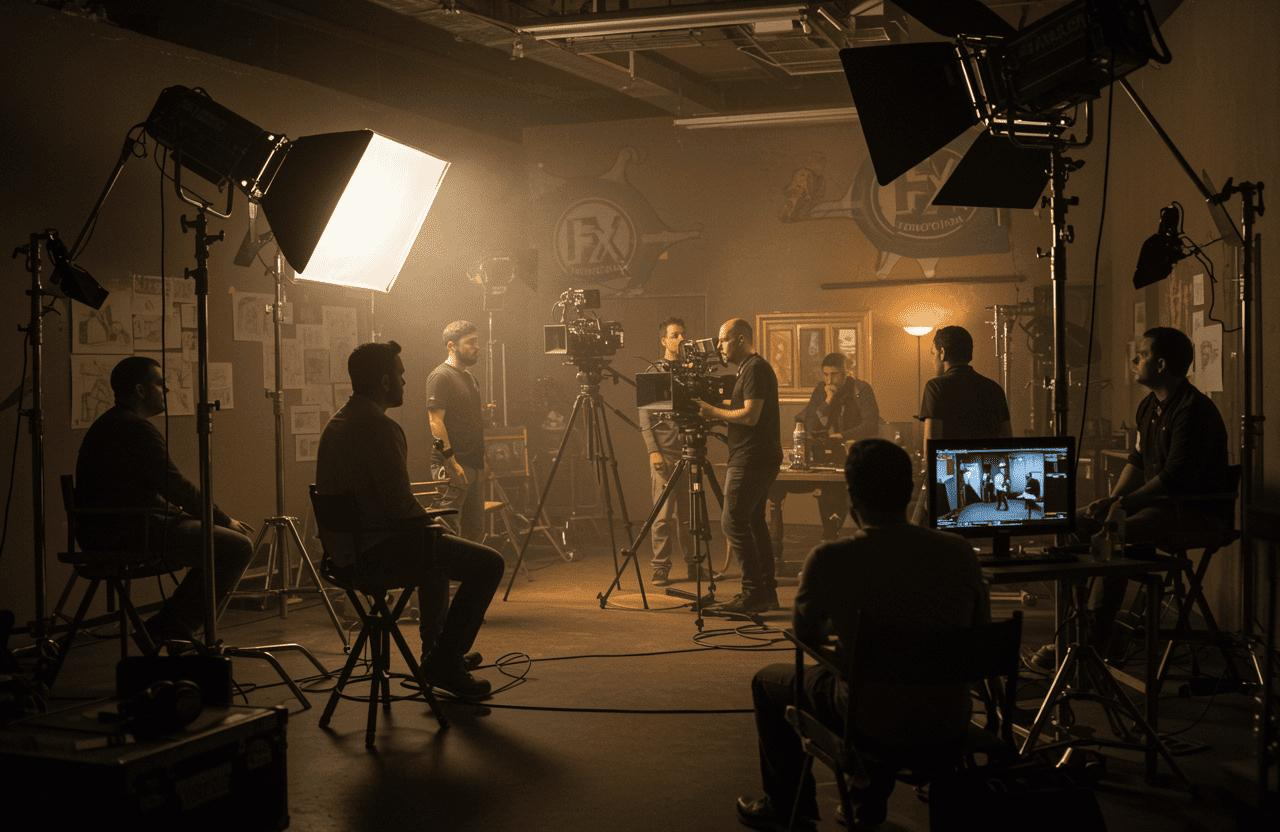
The verdict from 2026’s performance data is clear: entertainment value is driving commercial effectiveness more than any other factor. The highest-performing commercials don’t interrupt content—they are content.
This represents a fundamental philosophical shift in advertising strategy. Traditional approaches start with product features or brand positioning and attempt to make them interesting. The new paradigm starts with the question: “What would people choose to watch?” and reverse-engineers product integration into genuinely entertaining content.
The production values reflect this evolution. Leading 2026 commercials employ cinematographers who’ve shot major films, directors who’ve helmed prestige television, and writers from top-tier comedy rooms. A luxury vehicle brand’s “The Getaway” spot features a continuous three-minute tracking shot (aired during premium programming with extended commercial pods) that follows a couple through an elaborate date night, showcasing the vehicle only in transition moments. The spot won a major film festival’s short film competition before viewers even realized it was an advertisement.
This entertainment-first approach extends beyond visual spectacle to substantive storytelling. A telecommunications company’s “Connection Points” campaign features documentary-style spots profiling real customer stories about meaningful moments enabled by connectivity—a grandmother’s video call with a deployed grandchild, a rural doctor’s telemedicine breakthrough, an immigrant family’s homeland connection. These aren’t actors delivering scripted testimonials; they’re genuine human stories produced with emotional resonance that transcends typical brand messaging.
The measurement frameworks have evolved to match this new reality. Beyond traditional metrics like reach and frequency, brands now analyze watch-through rates, voluntary rewatches, social sharing patterns, and what industry insiders call “entertainment index scores”—composite measurements of how viewers perceive commercial content on entertainment value independent of purchase intent.
Interestingly, this entertainment emphasis doesn’t diminish commercial effectiveness—it amplifies it. When viewers don’t perceive content as advertising, their psychological resistance drops. Brand messaging delivered within genuinely entertaining content bypasses the cognitive filters that immediately activate during obvious sales pitches. Post-exposure studies show viewers retain product information longer and develop more positive brand associations when that information is embedded in content they genuinely enjoyed.
The Production Arms Race and What It Means for Brands
The commercial landscape of 2026 has triggered a production quality arms race with significant implications for brands and agencies. As audience expectations rise to meet streaming content standards, the investment required to produce breakthrough commercials has increased dramatically.
Mid-tier brands face a strategic choice: pursue quantity with adequate production values, or concentrate budgets on fewer, exceptional pieces designed for repeated airings and extended social life. The data increasingly favors the latter approach. A single outstanding commercial that generates organic sharing and media coverage can deliver exposure value exceeding its production cost by orders of magnitude.
This shift also democratizes breakthrough potential in unexpected ways. While major brands command largest budgets, smaller companies with authentic stories and creative courage are breaking through with disproportionate impact. A regional furniture company’s cinematic “Where Life Happens” campaign—featuring real families in their homes with documentary-style intimacy—outperformed major national competitors’ generic lifestyle spots in both engagement and conversion metrics within their market.
The Authenticity Imperative
Running through 2026’s best-performing commercials is a common thread: authenticity. Viewers have developed sophisticated detection systems for manufactured emotion, diversity tokenism, and purpose-washing. The spots that break through feel genuine in their emotional appeals, honest in their product claims, and respectful of viewer intelligence.
This authenticity extends to acknowledging product limitations. A cleaning product campaign’s “Not Magic, Just Chemistry” approach explicitly states what the product won’t do while demonstrating its actual capabilities. This honest positioning generated trust metrics 89% higher than category competitors making exaggerated claims.
Looking Forward: The Evolving Commercial Landscape
The best-performing commercials of 2026 reveal a medium in transformation. As traditional television viewership continues fragmenting across platforms, the commercials that survive and thrive are those that justify viewer attention through genuine entertainment value, emotional authenticity, and creative sophistication.
For creative directors and brand advertisers, the implications are clear: the commercial as interruption is dying, while the commercial as content is ascendant. Success requires investing in storytelling craft, embracing serialized narratives, leading with entertainment value, and trusting audiences to appreciate creativity that respects their intelligence and time.
The spots breaking through in 2026 aren’t just selling products—they’re creating cultural moments, building narrative universes, and establishing emotional connections that transcend transactional relationships. That’s not just effective advertising; it’s the future of the medium itself.
Frequently Asked Questions
Q: What makes a TV commercial ‘high-performing’ in 2026?
A: High-performing commercials in 2026 are measured across multiple metrics including watch-through rates, social media engagement, voluntary rewatches, brand recall rates, and purchase intent lift. The best spots achieve entertainment index scores showing viewers perceive them as content worth watching rather than interruptions to avoid, while still driving measurable business outcomes like increased brand searches and sales conversion.
Q: Why are serialized commercial campaigns more effective than standalone spots?
A: Serialized campaigns create cumulative engagement through narrative continuity and character development. Viewers who follow multi-episode commercial series demonstrate 2.8 times higher purchase intent than those exposed to equivalent frequency of unconnected spots, because the storytelling creates deeper brand connection and rewards loyal viewing with narrative payoffs that strengthen neural associations with the brand.
Q: How much do high-production-value commercials cost compared to traditional spots?
A: While specific budgets vary, entertainment-first commercials with film-quality production values typically cost 2-3 times more than traditional spots. However, their extended social life, higher rewatch rates, and organic media coverage often deliver exposure value exceeding production costs by 5-10 times, making them cost-effective despite higher upfront investment when measured on total impressions and engagement.
Q: Are humorous commercials effective for all product categories?
A: While humor dominates 2026’s best-performing commercials overall, its effectiveness varies by category and brand positioning. The key is authenticity and audience alignment—self-aware humor works exceptionally well for categories where traditional advertising has become stale (insurance, automotive, software), while emotional storytelling performs better for categories built on aspiration or life moments (luxury goods, healthcare, financial planning).
Q: How are brands measuring entertainment value in commercials?
A: Brands now use composite ‘entertainment index scores’ that measure how viewers perceive commercial content on entertainment merit independent of purchase intent. These scores analyze watch-through rates, active engagement behaviors (commenting, sharing, seeking out subsequent episodes), voluntary rewatches, and viewer surveys comparing ads to entertainment content. High entertainment scores correlate strongly with brand recall and purchase consideration.