Local Radio Advertising Tactics That Work in 2026
Why this law firm’s radio spot gets everyone calling in 2026.
If you’ve driven around any mid-sized American city in the past year, chances are you’ve heard a radio commercial that stuck in your head—not because it was clever or funny, but because it hammered home one simple message over and over. While digital marketing dominates the conversation in business circles, small businesses need proven radio advertising strategies for 2026 market conditions, and the data shows that traditional FM radio continues delivering results that justify the investment.
Take Top Dog Law, a personal injury firm that’s been running the same basic radio spot across multiple markets. Their approach isn’t revolutionary, but it’s ruthlessly effective. And for small business owners wondering where to allocate limited marketing budgets, understanding why their formula works offers valuable lessons about local advertising in 2026.
Act 1: The Power of Repetition—Why Simple Catchphrases Still Dominate Radio
The Top Dog Law commercial follows a formula that direct response marketers have used for decades: pick one memorable phrase and repeat it relentlessly. Their signature line—”Top Dog Law: We fight for you”—appears at the beginning, middle, and end of every 30-second spot. The business name is mentioned no fewer than five times in half a minute.
This isn’t creative laziness. It’s strategic brilliance.
Radio advertising faces a unique challenge that digital marketers often forget: your audience isn’t giving you their full attention. They’re driving, cooking dinner, or working. You have approximately 15 seconds to communicate who you are and why someone should remember your name before their mind wanders back to the road or their conversation.
The catchphrase repetition strategy works because it leverages three psychological principles:
1. The Mere Exposure Effect: People develop preference for things merely because they’re familiar with them. Hearing “Top Dog Law” five times in 30 seconds accelerates familiarity faster than a single mention, even if the listener isn’t actively engaged.
2. Cognitive Ease: Simple, repeated phrases require less mental processing. When someone needs a personal injury lawyer three months after hearing the ad, their brain will surface the name that required the least cognitive effort to remember.
3. The Zeigarnik Effect: Incomplete patterns create mental tension. By structuring the spot with the catchphrase at strategic intervals, the ad creates a rhythm that makes the final mention feel like resolution—and resolution aids memory encoding.
For small businesses crafting radio spots in 2026, the lesson is clear: resist the temptation to cram multiple messages into one commercial. Pick your single most important identifier—your business name plus one benefit—and build everything around repeating it. Creative teams often balk at this approach because it feels unsophisticated, but sophistication doesn’t pay the bills. Memory does.
Top Dog Law’s spot doesn’t tell you about their win rate, their years of experience, or their compassionate approach. It tells you their name and that they fight for you. That’s all. And it’s enough, because when someone needs a personal injury attorney, they’ll remember the name they heard most often.
Act 2: FM Radio’s Surprising Resilience in the Digital Age
The conventional wisdom says radio is dying, killed by podcasts, streaming music, and smartphone connectivity. The data tells a different story—especially for service-based businesses targeting local markets.
According to Nielsen’s 2026 Audio Today report, 82% of American adults still listen to AM/FM radio weekly, with the average listener tuning in for over 12 hours per week. More importantly for local advertisers, radio reaches specific demographics that are both difficult and expensive to target digitally.
Consider the profile of a typical personal injury client: they’re often older than 35, employed, driving regularly, and not necessarily tech-savvy enough to use ad blockers or premium streaming services. These are exactly the people still listening to local FM radio during their commute.
FM radio delivers three advantages that make it particularly effective for local professional services:
Geographic Precision: A radio station’s broadcast range naturally limits your audience to people who could actually use your service. Top Dog Law isn’t wasting impressions on listeners 500 miles away. Every person hearing their ad is within their service area.
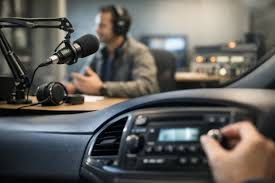
Contextual Relevance: Radio advertising reaches people in their cars—and car accidents are the bread and butter of personal injury law. The medium matches the moment when potential clients are most aware of the need for legal protection.
Trusted Local Voices: Radio personalities develop relationships with listeners over years or decades. When a respected local DJ reads your live endorsement or your ad plays during a popular morning show, you inherit some of that trust. Digital ads, by contrast, appear alongside content from strangers.
The key is matching your business type to radio’s strengths. Service businesses with local geographic reach, relatively high transaction values, and broad demographic appeal are ideal radio advertisers. That includes law firms, medical practices, home services, auto repair, real estate, and financial services.
Top Dog Law succeeds on radio because their potential client could be anyone who drives—which is almost everyone. They don’t need sophisticated targeting. They need consistent presence in the minds of people who might suddenly need a lawyer.
For small business owners evaluating radio in 2026, the question isn’t whether radio still works—it demonstrably does. The question is whether your business model aligns with radio’s particular strengths in reach, geography, and listener profile.
Act 3: The Economics of Radio—ROI That Justifies the Investment
The most common objection to radio advertising is cost. A consistent presence on a major FM station in a mid-sized market can run $3,000-$8,000 per month. For a small business, that’s a significant commitment.
But let’s run the numbers for a business like Top Dog Law.
A single personal injury case that goes to settlement can generate anywhere from $10,000 to $100,000+ in legal fees. If a law firm’s monthly radio spend is $5,000 and it generates just two qualified cases per month, the return on investment is immediate and substantial.
This math works for many local professional services:
– A dental practice spending $4,000/month on radio needs roughly 8-10 new patients to break even (at $500 lifetime value each)
– An HVAC company spending $3,500/month needs about 3-4 system replacements (at $1,000+ profit per job)
– A financial advisor spending $6,000/month needs 2-3 new clients (at $2,000+ annual fees)
The challenge is attribution. Unlike digital advertising, you can’t track every radio listener who becomes a customer. This makes radio feel risky to business owners who’ve been trained to demand precise ROI metrics from their marketing.
Smart radio advertisers solve this through:
Dedicated Phone Numbers: Using a unique phone number in radio spots lets you track exactly how many calls the advertising generates. Top Dog Law almost certainly uses call tracking to measure their radio performance.
Specific Offers or Mentions: Asking callers to “mention this ad for a free consultation” or using a radio-specific URL provides attribution data.
Consistent Long-Term Presence: Radio isn’t a direct response medium like search advertising. It builds awareness over time. Businesses that commit to 6-12 months of consistent presence see dramatically better results than those running sporadic campaigns.
Strategic Time Slots: Morning and evening drive times cost more for good reason—they reach the most people. But mid-day and weekend slots can offer better value for businesses whose clients aren’t limited to commuters.
Top Dog Law’s approach demonstrates the most important principle of cost-effective radio advertising: commitment to consistency. They run the same core message repeatedly across multiple dayparts, building cumulative awareness that makes their name the default choice when someone needs their service.
For small businesses considering radio in 2026, the key is right-sizing your commitment to your potential return. If your service has high transaction value and decent margins, even a handful of new customers per month justifies the investment. If you’re selling low-margin products or services, radio’s broad reach may be inefficient compared to more targeted digital approaches.
The Bottom Line for Local Advertisers
Top Dog Law’s radio success isn’t complicated. They use aggressive repetition to embed their name in listeners’ memories. They advertise on a medium that reaches their target audience when they’re literally experiencing the context where legal services become necessary. And they maintain consistent presence long enough for the cumulative effect to generate measurable business results.
These principles translate across industries and markets. Radio advertising works in 2026 for businesses that:
1. Serve a local geographic area
2. Offer services with sufficient transaction value to justify the cost
3. Target demographics that still consume broadcast radio
4. Can commit to consistent presence for at least 6-12 months
5. Use simple, memorable messages built around heavy repetition
The digital marketing industry has convinced many small business owners that traditional media is obsolete. But the evidence suggests otherwise. While digital should absolutely be part of your marketing mix, overlooking radio means missing an opportunity to reach audiences that are increasingly difficult to target online—and often more valuable because they’re less saturated with competing messages.
The next time you hear that Top Dog Law commercial and feel annoyed by how many times they say their name, remember: that annoyance means it’s working. You noticed. You remembered. And if you ever need a personal injury lawyer, their name will surface in your mind before you even realize why.
That’s not just effective advertising. In 2026, when attention is fragmented across infinite channels, it’s remarkably efficient advertising. Small businesses looking to grow would be wise to learn from it.
Frequently Asked Questions
Q: Is radio advertising still effective in 2026?
A: Yes, radio remains highly effective for local businesses in 2026. Nielsen data shows 82% of American adults still listen to AM/FM radio weekly, with an average of 12+ hours per week. Radio is particularly effective for service-based businesses targeting local markets, as it provides geographic precision and reaches audiences during relevant contexts like commuting.
Q: How much should a small business budget for radio advertising?
A: Local radio advertising typically costs $3,000-$8,000 per month for consistent presence in a mid-sized market. The key is matching your budget to your potential return: businesses with high transaction values (law firms, medical practices, HVAC companies, financial services) can justify this investment if they generate even a handful of new clients monthly.
Q: Why does repetition work so well in radio advertising?
A: Repetition works in radio because listeners typically aren’t giving ads their full attention. Repeating your business name and core message multiple times within a single spot leverages psychological principles like the mere exposure effect and cognitive ease, making your business name easier to remember when the listener eventually needs your service.
Q: How can I track ROI from radio advertising?
A: Track radio advertising ROI through dedicated phone numbers for radio spots, specific offers or promotional codes mentioned only in radio ads, unique URLs, and by asking new customers how they heard about you. Unlike digital advertising, radio builds awareness over time, so tracking should account for both immediate responses and longer-term brand recall effects.
Q: What types of businesses benefit most from radio advertising?
A: Businesses that benefit most from radio include those with local service areas, high transaction values, and broad demographic appeal. Examples include law firms, medical and dental practices, home services (HVAC, plumbing, roofing), auto services, real estate, and financial services. Radio is less effective for businesses selling low-margin products or targeting very narrow demographics.