The Dark Side of AI-Generated Ads on Social Media: What Happened When I Bought from 10 Fake TikTok Ads
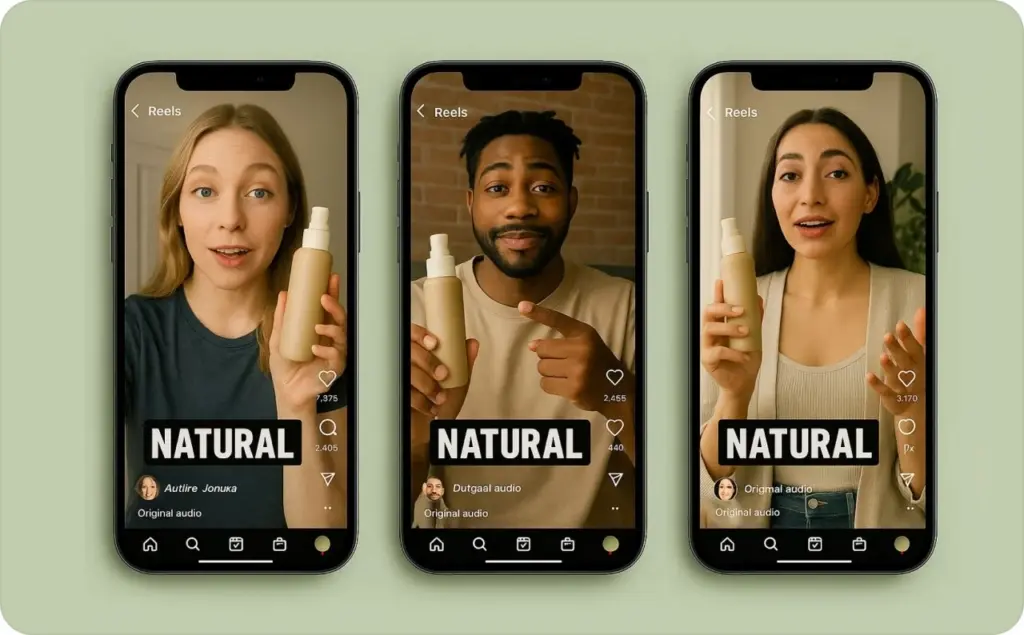
I bought from 10 AI-generated ads on TikTok—here’s what actually arrived.
The package felt suspiciously light. I’d ordered what appeared to be a revolutionary “self-heating coffee mug” that maintained perfect temperature for hours without charging. The ad showed sleek product shots, glowing reviews, and a compelling origin story about a small family business. What arrived was a cheap plastic cup that couldn’t keep coffee warm for more than 20 minutes—the exact opposite of what was promised.
This wasn’t an isolated incident. It was order number three in my experiment to expose the growing crisis of AI-generated advertising on social media platforms. What I discovered should concern anyone who’s ever clicked “buy now” on TikTok or Instagram.
The Explosion of AI Slop on Your Feed
Social media advertising has fundamentally changed in the past 18 months. The barrier to creating professional-looking product ads has collapsed with accessible AI image generators, video creation tools, and automated copywriting services. What once required photographers, videographers, and graphic designers can now be generated in minutes by someone with zero advertising experience and questionable ethics.
The result? Your social media feeds are now flooded with what industry insiders call “AI slop”—low-quality, artificially generated advertisements designed to extract money from unsuspecting consumers as quickly as possible before disappearing.
During my investigation, I purchased from 10 different products advertised exclusively through AI-generated content. The results were alarming: only two products matched their advertised descriptions, three were substantially lower quality than depicted, four were completely different products, and one never arrived at all.
Act 1: How to Identify AI-Generated Product Ads
The first step in protecting yourself is learning to spot AI-generated advertisements masquerading as legitimate products. Here are the red flags I identified across my experiment:
Visual Red Flags
Uncanny Valley Imagery: AI image generators have become sophisticated, but they still struggle with specific details. Look for:
– Hands with the wrong number of fingers or distorted proportions
– Reflections that don’t match the product or environment
– Text within images that’s garbled, backwards, or nonsensical
– Backgrounds that blur in unnatural ways or contain impossible physics
– Products that seem to defy gravity or spatial logic
– Overly smooth, plastic-looking human skin with no pores or texture
One ad in my experiment showed a “premium leather backpack” with zippers that appeared to merge into the fabric in physically impossible ways. The product that arrived was a thin polyester bag with a single compartment.
Too-Perfect Product Shots: Legitimate products have minor imperfections, shadows, and realistic lighting. AI-generated images often look hyperreal—so perfect they cross into fake territory. Everything is evenly lit, colors are oversaturated, and there’s a telltale “glossy” quality to surfaces.
Inconsistent Branding: Watch for company logos that change slightly between images, product details that don’t remain consistent across different angles, or packaging that looks different in every shot. Real products maintain visual consistency; AI-generated mockups often don’t.
Content Red Flags
Stolen Origin Stories: Many AI-generated ads employ emotional manipulation through fabricated backstories. Common patterns include:
– The “my disabled family member inspired this invention” narrative
– The “I lost my job and started this in my garage” story
– The “big corporations tried to shut us down” conspiracy angle
– The “I discovered this ancient secret technique” claim
I encountered at least six variations of the “struggling single parent who invented a product” story across different product categories. Reverse image searches revealed the “inventor” photos were AI-generated or stolen from unrelated sources.
Impossible Product Claims: When an ad promises something that seems to defy physics, chemistry, or economics, it probably does. One product I tested claimed to “charge your phone to 100% in 3 minutes using revolutionary technology” for $29. What arrived was a standard slow-charger with fake safety certifications.
Generic or Nonsensical Brand Names: Legitimate companies invest in brand identity. AI-generated scam operations typically use generic, forgettable names or word combinations that sound like they were generated by algorithm (because they were). Examples from my experiment: “TechNova Pro,” “EliteHome Solutions,” “PureLife Essentials,” and “MaxGear Store.”
Social Proof Red Flags
AI-Generated Reviews: Comment sections filled with generic praise (“Great product! Fast shipping!”), profiles with AI-generated profile pictures, or reviews that all follow similar grammatical patterns indicate manufactured social proof.
Fake Scarcity Tactics: Countdown timers that never reach zero, claims of “only 3 left in stock” that persist for weeks, or “50% off today only” sales that run indefinitely are designed to pressure quick purchases without due diligence.
Act 2: The Rise of AI Slop Marketing and Pity Marketing
The economics behind AI-generated advertising scams are disturbingly simple and profitable.
The AI Slop Business Model
Here’s how it works:
1. Product Sourcing: Scammers browse AliExpress or similar platforms for cheap products ($2-5 per unit)
2. AI Content Creation: They use AI tools to generate professional-looking product photos, videos, and descriptions
3. Emotional Storytelling: AI copywriting tools create compelling narratives and origin stories
4. Platform Advertising: They run targeted ads on TikTok, Instagram, and Facebook
5. Massive Markup: They sell $3 products for $30-50
6. Dropshipping Fulfillment: Orders are fulfilled directly from overseas suppliers with 3-6 week shipping
7. Disappearing Act: Once complaints accumulate, they shut down and launch a new brand
The entire process can be set up in a single day with minimal investment. A single successful product can generate hundreds of thousands of dollars before consumers catch on.
Pity Marketing: Weaponizing Empathy
One particularly insidious trend I encountered repeatedly is “pity marketing”—advertisements that manipulate emotional empathy to sell substandard products.
These ads typically feature:
– Sob stories about personal hardship (illness, job loss, discrimination)
– Claims that large corporations or “the system” are trying to suppress their product
– Emotional appeals suggesting that purchasing helps a vulnerable person or cause
– Time pressure suggesting the seller might lose everything if you don’t buy immediately
Two of the products I purchased used elaborate pity marketing campaigns. One claimed to be from a veteran with PTSD who “channeled his healing into creating stress-relief devices.” Reverse image searches revealed the photos were AI-generated, and the product was a standard fidget spinner available in bulk for under $1.
The emotional manipulation is particularly effective because it exploits our desire to help others and support small businesses. The cognitive dissonance of suspecting a scam while wanting to help a sympathetic person creates the perfect environment for poor purchasing decisions.
Platform Responsibility and Inadequate Oversight
Social media platforms profit from advertising revenue while providing insufficient protection against AI-generated scam ads. Their automated approval systems struggle to distinguish between legitimate AI-assisted marketing (which is becoming standard) and outright fraudulent AI-generated scams.
During my experiment, I reported multiple obvious scam ads to TikTok and Instagram. Weeks later, most were still running. The platforms’ reactive rather than proactive approach means thousands of people may fall victim before any action is taken.
Act 3: Financial Protection Strategies
While platforms gradually improve their detection systems, you need immediate strategies to protect yourself.
Before Purchasing
The 24-Hour Rule: Never purchase immediately from a social media ad, regardless of urgency claims. Save the ad, research for 24 hours, then decide. Legitimate products will still be available; scams rely on impulse purchases.
Research Checklist:
1. Reverse image search product photos—if they appear on multiple unrelated sites, it’s a red flag
2. Search the company name plus “scam” or “review”
3. Verify the company has a real physical address, not just a P.O. Box
4. Check domain registration date (domains less than 6 months old are suspicious)
5. Look for the company on legitimate review platforms (not just testimonials on their site)
6. Verify contact information—call phone numbers, test email addresses
7. Check social media account age and engagement (fake accounts have recent creation dates and follower counts that don’t match engagement levels)
Red Flag Calculator: Assign one point for each red flag. If you reach three points, don’t purchase:
– AI-generated looking images (1 point)
– Emotional manipulation in ad copy (1 point)
– No verifiable company information (2 points)
– Impossible product claims (2 points)
– Generic brand name (1 point)
– Only visible on social media ads, nowhere else online (2 points)
– Prices too good to be true (1 point)
– Pressure tactics or fake scarcity (1 point)
Payment Protection Methods
Credit Cards Over Debit: Always use credit cards for online purchases. They offer superior fraud protection and dispute processes. Debit cards draw directly from your bank account with fewer protections.
Virtual Credit Card Numbers: Services like Privacy.com or card issuer virtual numbers create one-time-use card numbers. If the merchant is fraudulent, they can’t charge the card again.
PayPal Goods and Services: PayPal’s purchase protection covers physical goods that don’t arrive or are significantly different than described. Avoid using “Friends and Family” payments which lack protection.
Document Everything: Screenshot ads, product descriptions, claims, and all correspondence. This evidence is crucial for disputes.
After Purchasing
Know Your Rights: Under FTC regulations, you have specific protections:
– Products must be shipped within 30 days unless otherwise stated
– Products must match their descriptions
– You have the right to dispute charges for undelivered or misrepresented goods
Dispute Process:
1. Contact the seller first (gives them opportunity to resolve)
2. If no response within 7 days, initiate payment dispute
3. Provide all documentation to your credit card company or PayPal
4. File complaints with the FTC (reportfraud.ftc.gov) and Better Business Bureau
5. Leave detailed reviews warning other consumers
Chargeback Strategy: Credit card chargebacks are most successful when you can demonstrate:
– Product was significantly different than advertised
– Product never arrived after stated shipping time
– Product is not as described (defective, counterfeit, or wrong item)
– Seller is unresponsive to resolution attempts
My Results: What Actually Arrived
Of my 10 purchases:
Product 1 – “Self-Heating Coffee Mug”*: Cheap plastic cup, no heating function. Cost: $47. Value: ~$5. *Chargeback successful.
Product 2 – “NASA-Grade Magnetic Phone Mount”*: Basic magnetic mount, worked as expected but identical to $8 versions on Amazon. Cost: $34. Value: ~$8. *Kept it, lesson learned.
Product 3 – “Premium Leather Backpack”*: Thin polyester bag, completely different product. Cost: $89. Value: ~$15. *Chargeback successful.
Product 4 – “Revolutionary Sleep Mask”*: Standard sleep mask, reasonable quality. Cost: $29. Value: ~$12. *Kept it, minor markup acceptable.
Product 5 – “Ultra-Fast Phone Charger”*: Generic slow charger with fake certifications. Cost: $29. Value: ~$5. *Chargeback successful.
Product 6 – “Professional Skincare Device”*: Cheap LED light with no certifications. Cost: $129. Value: ~$10. *Chargeback successful.
Product 7 – “Smart Fitness Tracker”*: Non-functional electronic device. Cost: $79. Value: $0. *Chargeback successful.
Product 8 – “Eco-Friendly Water Bottle”*: Basic water bottle, worked fine. Cost: $39. Value: ~$15. *Kept it, overpriced but functional.
Product 9 – “Noise-Canceling Earbuds”*: Never arrived, seller unresponsive. Cost: $67. *Chargeback successful.
Product 10 – “Posture-Correcting Device”*: Elastic band similar to legitimate products. Cost: $44. Value: ~$12. *Kept it, worked as advertised.
Total Spent: $586
Total Value Received: ~$82
Successfully Disputed: $440
Net Loss: $146 (plus significant time investment)
The Bigger Picture: Platform Accountability
The proliferation of AI-generated scam ads represents a failure of platform oversight. TikTok, Instagram, and Facebook profit from advertising revenue while outsourcing consumer protection to credit card companies and overwhelmed users.
These platforms need to:
1. Implement stricter advertiser verification requiring proof of product inventory
2. Use AI detection tools to flag likely AI-generated scam content
3. Create faster response times for fraud reports
4. Maintain advertiser blacklists to prevent serial scammers from creating new accounts
5. Provide clear, accessible mechanisms for fraud reporting
6. Share fraud data across platforms to prevent scammers from simply moving to new channels
Until platforms implement meaningful protections, the responsibility falls on consumers to develop AI literacy and maintain healthy skepticism.
Conclusion: Trust But Verify
AI tools have democratized content creation, enabling legitimate small businesses to compete with major brands in advertising quality. Unfortunately, these same tools have also empowered scammers to operate at unprecedented scale.
The solution isn’t to avoid social media advertising entirely—legitimate products and businesses do advertise on these platforms. Instead, develop critical evaluation skills:
– Recognize AI-generated content indicators
– Resist emotional manipulation and pressure tactics
– Research thoroughly before purchasing
– Use protected payment methods
– Know your consumer rights
The AI-generated ad crisis will likely worsen before platforms implement adequate solutions. In the meantime, let my expensive experiment serve as your guide. That too-perfect product with an emotional backstory and urgent discount? It’s probably not what it seems.
Your feed is filled with AI slop designed to separate you from your money. Don’t let it.
Frequently Asked Questions
Q: How can I tell if a product ad is AI-generated?
A: Look for visual red flags like distorted hands, impossible reflections, garbled text, and hyperreal product shots that look too perfect. AI-generated ads often feature inconsistent branding across images, generic company names, and stolen or fabricated origin stories. Check for hands with wrong finger counts, backgrounds that blur unnaturally, and products that defy physics. Use reverse image search to see if product photos appear on multiple unrelated sites.
Q: What should I do before buying from a social media ad?
A: Wait 24 hours before purchasing to avoid impulse decisions. Research the company thoroughly: reverse image search product photos, verify physical addresses, check domain registration dates (avoid sites less than 6 months old), search for reviews outside the company website, and verify contact information by actually calling or emailing. Use the red flag calculator and avoid purchases if you identify three or more warning signs.
Q: What payment method offers the best protection against scam ads?
A: Credit cards offer superior fraud protection compared to debit cards, which draw directly from your bank account. Consider using virtual credit card numbers (through services like Privacy.com) that create one-time-use numbers for each purchase. PayPal Goods and Services also provides purchase protection, but avoid using Friends and Family payments which lack protections. Always document everything with screenshots of ads, descriptions, and all correspondence.
Q: What is ‘pity marketing’ and how does it work?
A: Pity marketing is an emotional manipulation tactic where scammers create fabricated sob stories to sell products. These ads typically feature claims about personal hardship, disability, job loss, or struggling single parents creating products. They exploit empathy by suggesting your purchase helps a vulnerable person, often adding fake urgency by claiming they might lose everything. Many of these stories use AI-generated photos or images stolen from unrelated sources, and the products are typically cheap items marked up dramatically.
Q: What should I do if I receive a product that doesn’t match the ad?
A: First, contact the seller directly and give them 7 days to respond. Document all attempts to reach them. If they don’t respond or refuse to resolve the issue, initiate a payment dispute with your credit card company or PayPal. Provide all documentation including screenshots of the original ad, product descriptions, and correspondence. File complaints with the FTC (reportfraud.ftc.gov) and Better Business Bureau. Chargebacks are most successful when you can demonstrate the product was significantly different than advertised, never arrived, or the seller is unresponsive.