
Content Syndication Strategy 2026: How to Amplify Your Reach Without Creating New Content
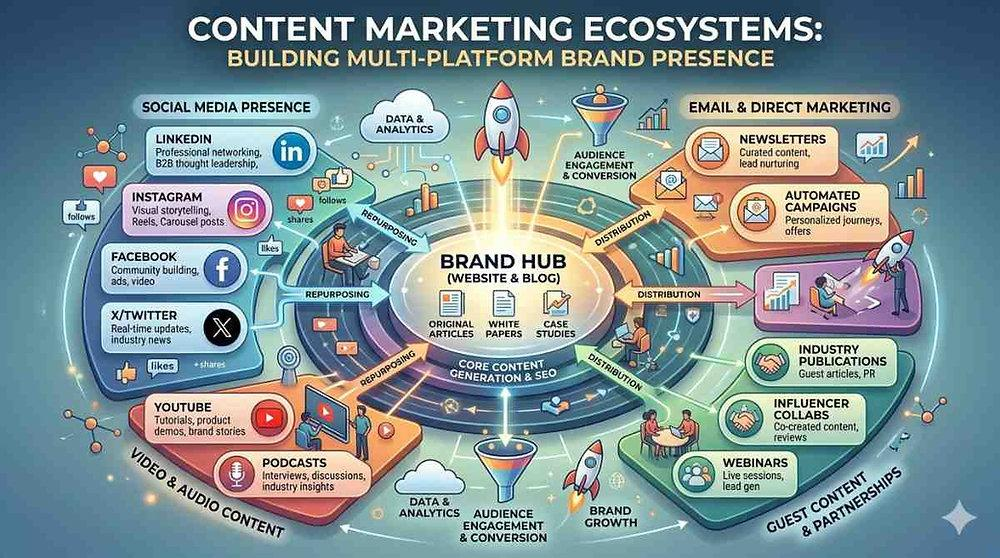
Creating great content requires reaching the right audience and this is where content syndication comes in.
By taking advantage of a smart content distribution strategy, businesses can expand the reach of their articles, blog posts, and other digital assets without the need to constantly create new material
Syndicated content enhances a brand’s visibility while supporting overall content marketing efforts, helping to drive more traffic to your website.
Additionally, effective content syndication can fuel backlink and traffic growth, strengthen SEO performance, and establish your brand as a trusted authority within your niche.
What is Content Syndication
Content syndication is the practice of republishing your digital content on third-party platforms to reach a wider audience.
Syndication allows you to leverage existing content as part of a smart content distribution strategy.
This approach is a key component of syndicated content marketing, helping businesses extend their reach without overextending resources.
Beyond visibility, content syndication also supports backlink and traffic growth as reposted content often includes links back to your original site, boosting SEO and driving more qualified visitors.
Building a Smart Content Distribution Strategy
Creating a successful content syndication campaign starts with a carefully designed content distribution strategy.
This strategy involves placing the right content on the right platforms to reach the right audience.
Identify where your target audience is and where they spend their time online.
Once you know where to syndicate, select content that will perform best. High-performing, evergreen, or educational content often works well because it continues to attract readers over time.
Incorporate elements that encourage engagement, such as clear CTAs, shareable graphics, or interactive content.
A strong strategy also considers technical SEO elements.
Ensure that syndicated content includes proper backlinks to the original source, or use canonical tags to avoid duplicate content penalties.
This practice supports syndicated content marketing efforts while driving backlink and traffic growth.
Moreso ,monitor performance through analytics tools. Track metrics like referral traffic, click-through rates, engagement, and conversions.
Analyze this data so you can refine your strategy to focus on high-performing platforms, and improve overall ROI.
A thoughtful content distribution strategy turns content syndication from a simple republishing tactic into a powerful marketing engine that builds brand visibility, authority, and sustainable growth.
Benefits for Backlink and Traffic Growth

Content syndication offers multiple tangible benefits such as;
- Backlink and Traffic Growth
Republishing your content on reputable third-party websites, can earn you high-quality backlinks.
These backlinks are crucial for improving your search engine rankings, enhancing domain authority, and signaling to search engines that your site is a credible source of information.
Over time, this increases your visibility in search results, driving more organic traffic to your website.
- Exposure to a Wider Audience
Content syndication exposes your brand to a much broader audience.
When your content appears on established platforms, it reaches readers who may not have discovered your brand.
This in itself drives referral traffic and also attracts potential leads, partnerships, and customers.
- Generate Traffic Over a Long Time
Syndicated content such as articles or blog posts can continue attracting clicks, shares, and backlinks long after their initial publication.
This creates a compounding effect on traffic growth and reinforces your brand’s authority within your industry.
- Boosting Return On Investment
By integrating content syndication into your content distribution strategy and syndicated content marketing efforts, you maximize ROI from your existing content.
Instead of constantly producing new material, you can strategically amplify what you already have, creating a sustainable cycle of visibility, engagement, and lead generation.
Final Thoughts
Content syndication is a strategic approach to extending your brand’s reach, improving SEO, and driving meaningful traffic.
Implement a well-planned content distribution strategy and you will make your content reach the right audience on the right platforms.
While integrating content syndication into your broader syndicated content marketing efforts will result in a long-term backlink and traffic growth, improving both credibility and online authority
Frequently Asked Questions
- What is Content Syndication?
Content syndication is the practice of republishing your digital content on third-party platforms to reach a wider audience, drive traffic, and generate backlinks..
- How Does Content Syndication Help SEO?
Syndicated content often includes backlinks to your original site, which boosts search engine rankings, domain authority, and overall visibility in search results.
- Which Types of Content are Best for Syndication?
High-performing, evergreen, or educational content works best because it continues to attract readers over time.
Articles, blog posts, videos, and infographics are all effective formats.
- What Platforms are Ideal for Content Syndication?
Popular platforms include LinkedIn Articles, Medium, Quora Spaces, industry-specific blogs, and content discovery networks like Outbrain and Taboola.
- How Can I Avoid Duplicate Content Penalties?
Use canonical tags or ensure backlinks to your original content are included.
This signals to search engines which version should be indexed.
- How Do I Measure the Success of Content Syndication?
Track referral traffic, engagement metrics, click-through rates, and conversions using analytics tools to gauge the effectiveness of your syndication strategy.
- Is Content Syndication Better than Guest Posting?
Both strategies have benefits. Syndication maximizes reach with existing content, while guest posting creates unique content for exposure. Using both strategically can enhance visibility and authority.