Product Development Life Cycle: Build Products That Win
Every great product begins with a plan, and that plan lives inside the product development life cycle. At RoarEye, we believe understanding this cycle helps marketers, founders, and product managers turn ideas into results. Whether you’re exploring the stages of the product development life cycle, comparing the product development life cycle vs product life cycle, or learning how the agile product development life cycle works, this guide explains every key detail in a clear, practical way.
Understand the Product Development Life Cycle
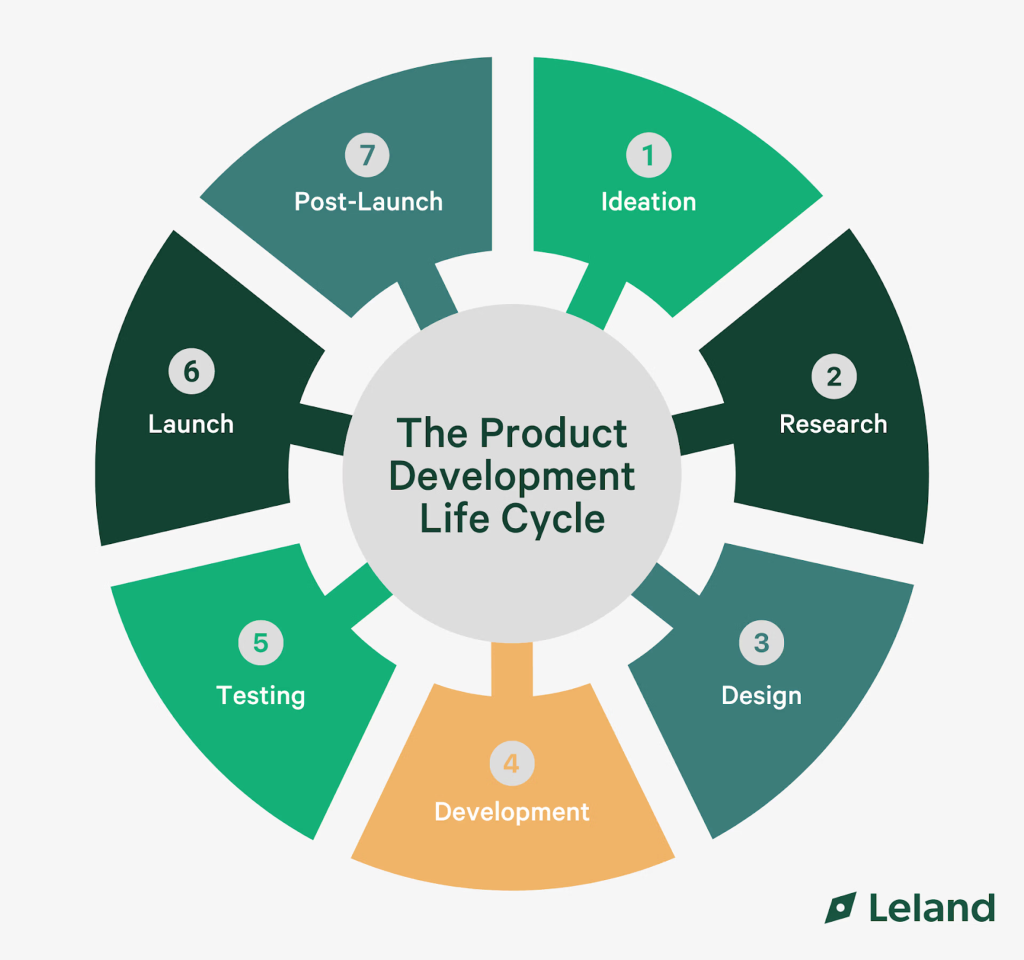
The product development life cycle (PDLC) is the structured process that takes an idea from concept to market. It covers everything from brainstorming to post-launch feedback.
It’s more than a workflow; it’s your roadmap to product success. A defined PDLC helps reduce risks, shorten time-to-market, and align your team around clear goals.
RoarEye uses similar lifecycle thinking in marketing, testing, validating, and refining campaigns based on data. The same mindset applies to products: plan, test, learn, and improve fast.
Explore the Stages of Product Development Life Cycle – Map Your Success
The stages of product development life cycle ensure no critical step is missed. Each phase moves your idea closer to a profitable product.
Idea Generation and Research
Start with understanding your users. Identify their pain points, habits, and market gaps. Research what competitors offer and what they don’t.
Utilize data-driven insights, such as RoarEye’s analytics, to validate trends before proceeding.
Planning and Business Case
Define your product vision, audience, and value proposition.
Set SMART goals and key performance indicators (KPIs). Create a roadmap that balances cost, time, and quality.
Design and Prototyping
Sketch, wireframe, or model your idea into a prototype. Let real users test it early.
Collect feedback and refine your design before you spend heavily on development. Agile teams often call this the MVP stage: build fast, test faster.
Development and Testing
Turn designs into functional products. Developers code, engineers assemble, and testers find bugs.
Continuous testing keeps quality high and costs low. Always fix issues before launch.
Launch and Post-Launch
Your product goes public. Marketing, sales, and support teams align for a smooth rollout.
After launch, measure performance, review analytics, and start improving based on user feedback.
Adopt Agile Product Development Life Cycle
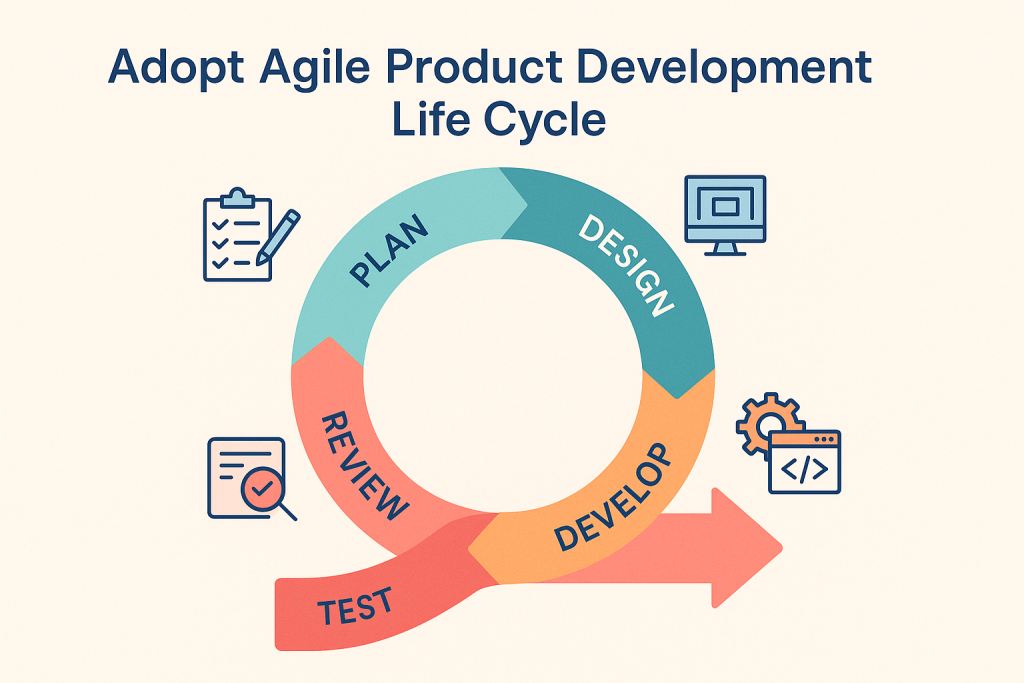
The agile product development life cycle changes how teams build. Instead of waiting months for one big launch, you deliver smaller updates faster.
Agile breaks work into short “sprints.” Each sprint ends with a working version that users can test.
This method increases collaboration and allows quick responses to market shifts.
RoarEye follows a similar approach for marketing campaigns: launch, measure, adapt, and repeat.
Pro Tip: Use tools that track performance and customer sentiment after each release. Small, consistent improvements build lasting products.
Product Development Life Cycle vs Product Life Cycle
People often confuse the product development life cycle vs product life cycle, but they’re not the same.
| Aspect | Product Development Life Cycle | Product Life Cycle |
| Focus | Building and testing the product | Managing product performance in the market |
| Phases | Ideation to post-launch review | Introduction, growth, maturity, decline |
| Owner | Product and engineering teams | Marketing and sales teams |
| Goal | Deliver a working, useful product | Extend the product’s profitability and lifespan |
Think of PDLC as creating the product, while the product life cycle is about growing and sustaining it in the market.
RoarEye uses this understanding to help businesses manage both product creation and marketing growth with precision.
Follow Best Practices for Every Stage
- Validate ideas early with user research.
- Keep communication open across all teams.
- Test continuously to avoid post-launch surprises.
- Track key metrics like cost, retention, and satisfaction.
- Use customer data to guide updates, not assumptions.
Every successful company, from Tesla to Dropbox, uses a structured approach like this to stay ahead.
Avoid Common Product Development Mistakes
- Skipping early research or user validation.
- Ignoring data during planning.
- Poor collaboration between design, engineering, and marketing.
- Launching before proper testing.
- Failing to measure or learn post-launch.
RoarEye helps businesses fix these gaps by providing data-driven insights, user analytics, and market validation strategies that support each PDLC stage.
Conclusion
The product development life cycle gives your team structure and direction. It turns creative ideas into tangible results that fit user needs.
By understanding the stages of product development life cycle, applying agile principles, and knowing how it differs from the product life cycle, your business can move faster and smarter.
RoarEye empowers teams with the insights they need to plan, launch, and grow successful products. Start building smarter today—because your next big idea deserves to win.
FAQs
1. What are the main stages of the product development life cycle?
Idea generation, research, planning, design, development, testing, launch, and post-launch review.
2. How long does a product development life cycle take?
It varies by product type and complexity, but usually takes between 6 months and 2 years.
3. What is the difference between the product development life cycle and the product life cycle?
The product development life cycle focuses on creating the product, while the product life cycle manages its performance after launch.
4. Why is the product development life cycle important?
It helps teams reduce risks, manage resources better, and deliver products that meet real user needs.
5. How does the agile product development life cycle work?
Agile breaks the process into short sprints with frequent testing and feedback, helping teams adapt faster to market changes.