The Future of Design Workflows: How Galileo AI Empowers Designers to Create Faster and Smarter

Galileo AI is redefining how digital products are imagined and built.
In a world where speed and creativity go hand in hand, designers are turning to AI-powered design tools like Galileo AI to bring their ideas to life with greater precision and efficiency.
This next-generation technology allows designers to transform simple text prompts into fully functional, production-ready interfaces within minutes.
What makes Galileo AI truly remarkable is its intelligent UI/UX automation .
This feature streamlines repetitive design tasks such as component alignment, color selection, and layout optimization.
The automation doesn’t replace creativity; it enhances it, allowing designers to focus on innovation and storytelling rather than manual adjustments.
As a next-generation design software, Galileo AI bridges the gap between human creativity and artificial intelligence, offering a seamless, intelligent workflow that empowers both beginners and professionals.
It is the future of digital design, where ideas flow faster, smarter, and more intuitively than ever before.
How Does Galileo AI Work

Galileo AI uses intelligent UI/UX automation to understand prompts, interpret design needs, and generate visually consistent layouts.
For instance, a designer can type “Create a modern dashboard for a fitness app,” and Galileo AI will produce responsive layouts, typography, and color palettes that align with best design practices.
This seamless integration of automation and creativity allows designers to focus on refining their concepts rather than building layouts from scratch.
A combination of speed, precision, and innovation, gives Galileo AI an edge in shaping the future of design workflows, helping designers to create faster, smarter, and more intuitively than ever before.
Key Features That Make Galileo AI a Game-Changer
Here are the key features that make it a true game-changer:
- AI-Powered Design Generation
Galileo AI allows designers to create fully functional layouts from text prompts in seconds.
Its advanced algorithms interpret context, purpose, and style to produce high quality UI screens ready for use.
- Intelligent UI/UX Automation
The platform automates repetitive design tasks such as alignment, spacing, and layout consistency.
This ensures every design meets professional standards while giving designers more time to focus on innovation.
- Responsive and Adaptable Layouts
Designs generated by Galileo AI are automatically optimized for multiple devices. From mobile screens to desktop interfaces , ensuring seamless user experiences across platforms.
- Next-Generation Design Software Integration
Galileo AI integrates smoothly with leading design tools like Figma and Sketch, bridging the gap between AI automation and hands-on customization.
Designers can refine and enhance AI-generated layouts without disrupting their workflow.
- Smart Collaboration Tools
Teams can easily share, comment, and iterate on AI-generated drafts. This collaboration-first approach accelerates feedback loops and helps teams deliver polished results faster.
- Faster Turnaround and Cost Efficiency
By minimizing manual effort, Galileo AI cuts production time while maintaining exceptional quality.
It’s a practical solution for businesses, agencies, and startups looking to scale design output efficiently.
How Galileo AI Transforms Design Workflows
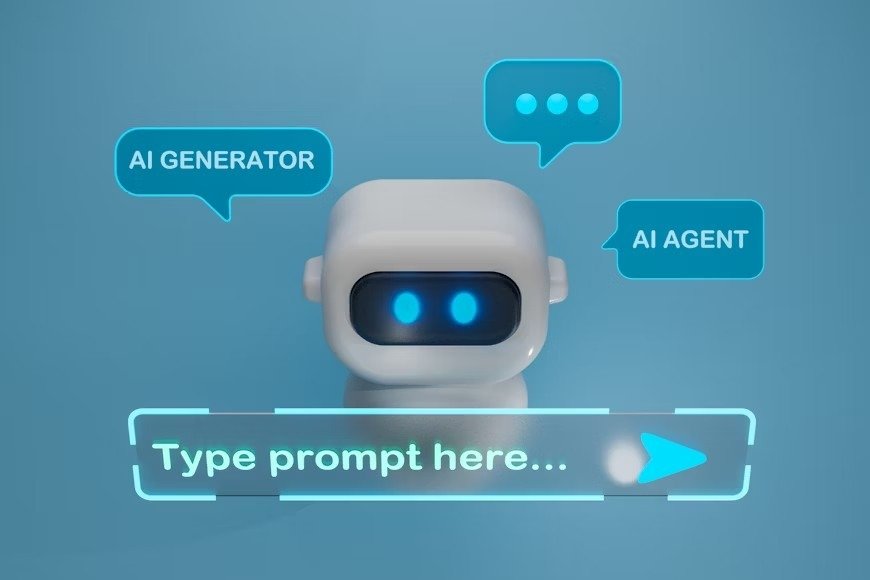
One of the most transformative aspects of Galileo AI is how it revolutionizes the traditional design process.
Instead of spending countless hours building layouts manually, designers can now rely on AI-powered design tools to generate, refine, and optimize their creative ideas within minutes as discussed below.
- Accelerating the Creative Process
Galileo AI removes the slow, repetitive steps of traditional design.
With simple text prompts, it generates a complete, production-ready UI layouts, helping designers move from concept to prototype faster than ever.
- Enhancing Collaboration and Consistency
Using intelligent UI/UX automation, Galileo AI ensures design elements such as spacing, typography, and color schemes remain consistent across all screens.
This makes team collaboration smoother, as everyone works from a unified, AI-generated foundation.
- Reducing Manual Effort
The platform automates tedious design tasks like aligning components and managing grids, allowing creative teams to focus more on innovation and storytelling rather than routine adjustments.
- Empowering Designers to Work Smarter
Galileo AI uses machine learning and next-generation design software capabilities to analyze user inputs and provide intelligent design suggestions.
This gives designers the flexibility to iterate quickly, explore multiple styles, and deliver more polished outcomes.
- Supporting Cross-Platform Design
Designs created with Galileo AI automatically adapt to different screen sizes and devices, ensuring responsiveness without additional manual tweaks which is a key advantage in modern, multi-device environments.
Galileo AI vs Traditional Design Tools
Below is the clear difference between Galileo AI and traditional design
- Speed and Automation
Traditional tools require designers to manually construct layouts, adjust components, and maintain alignment whereas Galileo AI eliminates these time consuming steps through intelligent UI/UX automation, allowing designers to generate fully realized layouts from simple text inputs in seconds.
- Creativity and Innovation
Instead of starting from a blank canvas, Galileo AI offers intelligent design suggestions and style options, inspiring creativity while maintaining structure.
This AI-driven creativity helps teams produce high-quality results faster.
- Consistency and Quality
Manual design processes can lead to inconsistencies in typography, color, or spacing.
Galileo AI ensures uniformity through automation, maintaining brand consistency across all assets.
This is a major advantage of the next-generation design software.
- Collaboration and Workflow Efficiency
Traditional design often involves multiple rounds of feedback and revisions.
Galileo AI accelerates this cycle by generating consistent, editable drafts that teams can immediately review, refine, and finalize.
- Learning Curve and Accessibility
Unlike complex tools that require advanced design knowledge, Galileo AI’s natural language interface makes it accessible to both beginners and professionals.
Anyone can design without needing extensive training.
In essence, Galileo AI doesn’t replace traditional tools, rather it enhances them.
Acting as a creative assistant, it brings the future of design workflows to life by helping designers create faster, collaborate smarter, and maintain professional quality with ease.
Getting Started: How to Use Galileo AI Effectively
Getting started with Galileo AI? Follow these steps.
- Sign Up and Explore the Interface
Start by creating an account on Galileo AI’s platform.
Once logged in, you’ll find a clean dashboard that allows you to enter design prompts, view generated layouts, and customize templates with ease.
The interface is intuitive, even for those with minimal design experience.
- Create with Text Prompts
Simply describe what you want and Galileo AI instantly generates multiple UI options using intelligent UI/UX automation, helping you visualize ideas without starting from scratch.
- Customize and Refine Designs
After generating a layout, you can fine-tune details such as colors, typography, and spacing.
The AI adapts to your preferences and maintains consistency across every component, ensuring brand cohesion while you focus on creativity.
- Collaborate Seamlessly
Galileo AI allows multiple team members to work together in real time.
Designers, marketers, and developers can share feedback, make edits, and export assets all within a single workspace.
This reduces communication delays and enhances efficiency.
- Export and Integrate Easily
Once your design is finalized, export it in preferred formats compatible with next-generation design software such as Figma or Adobe XD.
This integration helps bridge the gap between AI-generated designs and your existing creative tools.
- Learn and Experiment
Galileo AI improves the more you use it.
By experimenting with various prompts and design styles, you can train the system to better understand your preferences effectively which helps to personalize your creative workflow.
Final Thoughts
As technology continues to reshape the creative industry, Galileo AI stands as a clear example of how artificial intelligence can elevate human creativity.
It doesn’t replace designers, instead it improves their potential through AI-powered design tools that simplify complex tasks and save valuable time.
Galileo AI introduces a smarter approach to digital design. Its intelligent UI/UX automation helps eliminate repetitive work, while its ability to generate, refine, and customize layouts within minutes represents a true evolution in design efficiency.
More importantly, this next-generation design software makes professional-level design accessible to anyone, regardless of skill level.
Frequently Asked Questions
Common questions people ask about Galileo AI
- What is Galileo AI?
Galileo AI is an advanced design platform that uses artificial intelligence to help designers create high-quality user interfaces and layouts in minutes.
It represents the future of design workflows, combining automation and creativity to make design faster and smarter.
- How Does Galileo AI Differ from Traditional Design Tools?
Unlike traditional design tools that require manual input and time-consuming adjustments, Galileo AI uses AI-powered design tools and intelligent UI/UX automation to generate complete, ready-to-edit layouts from simple text prompts.
- Can Beginners Use Galileo AI Effectively?
Yes. Galileo AI is designed for everyone. From beginners to professionals.
Its intuitive interface and automated design process make it easy to use without needing advanced technical skills or design experience.
- What Are the Main Benefits of Using Galileo AI?
The key benefits include faster design creation, improved consistency, smarter collaboration, and effortless customization.
With next-generation design software like Galileo AI, users can boost productivity and focus more on innovation rather than repetitive tasks.
- Does Galileo AI Replace Human Designers?
No. Galileo AI doesn’t replace creativity, it enhances it.