
How to Build High-Quality Web Backlinks for Better SEO Performance
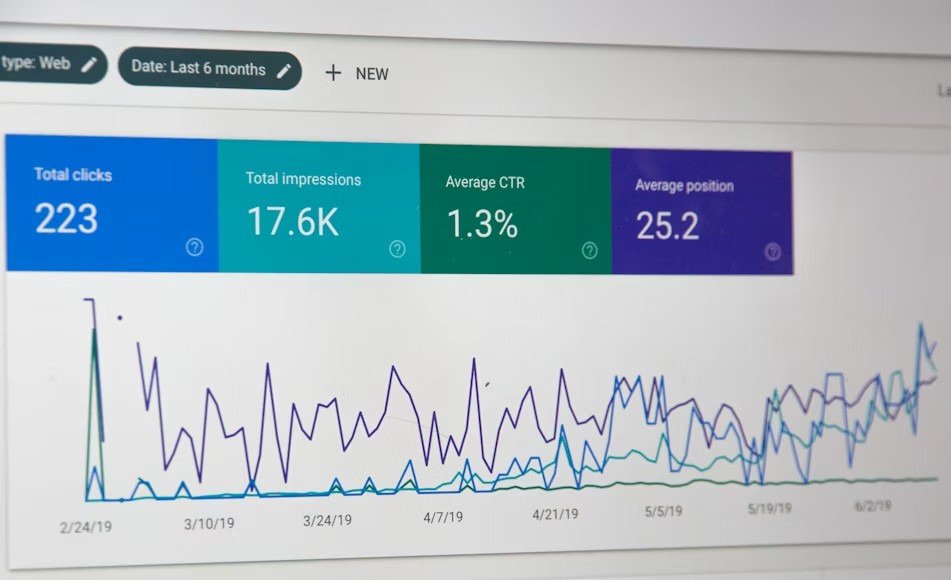
Building high-quality web backlinks remains one of the most effective ways to boost your website’s visibility and authority.
Search engines view backlinks as votes of trust and signals that your content is valuable and worth referencing.
However, not all links carry equal weight. That’s why focusing on backlink building strategies that emphasize relevance, credibility, and domain strength is essential for sustainable SEO growth.
By securing high-authority backlinks from trusted sources, your site can climb higher in search rankings, attract targeted traffic, and strengthen its online reputation.
At the same time, consistent link quality analysis helps you identify which backlinks are truly beneficial and which might harm your SEO performance.
When done right, backlink optimization becomes a long-term investment in your website’s credibility and organic reach.
Understanding Backlink Quality and Relevance
Not all web backlinks are created equal. The value of a backlink depends on both its quality and relevance.
A high-quality web backlink comes from a trusted, authoritative website within your niche, signaling to search engines that your content is credible and trustworthy.
Conversely, links from low-quality or unrelated sites may offer little SEO benefit or even harm your rankings.
Relevance is equally important. Backlinks from sites that share similar topics or industries are more valuable because they demonstrate contextual authority.
For example, a backlink from a well-known marketing blog is far more impactful for a digital marketing website than one from an unrelated hobby forum.
Regular link quality analysis helps identify which backlinks are strengthening your SEO efforts and which may need to be rejected.
Focus on both quality and relevance then you can create a backlink profile that will improve search ranking and also drive meaningful, targeted traffic to your site.
Proven Backlink Building Strategies
Creating a robust backlink profile demands carefully planned backlink building strategies that focus on quality, authority, and relevance.
Here are some of the most effective approaches to secure high-authority backlinks while maintaining a strong SEO foundation.
Guest Posting on Authoritative Sites
One of the most reliable ways to earn valuable backlinks is through guest posting.
Writing high-quality, informative content for blogs or websites within your industry allows you to include backlinks to your own site naturally.
It helps to generate high-authority backlinks while also positioning your brand as a thought leader in your niche.
Hence, focus on sites with strong domain authority and relevant content to maximize link value.
Broken Link Building

Broken link building is a proactive strategy where you identify broken or dead links on authoritative websites and offer your own content as a replacement.
This method helps you earn high-quality backlinks while providing value to the site owner.
So, conducting link quality analysis beforehand ensures that the sites you target are reputable and relevant.
Digital PR and Press Coverage
Leveraging media outlets, press releases, and industry news sites can generate backlinks from highly authoritative sources.
Crafting stories that are newsworthy or data-driven increases your chances of being referenced by reputable publications.
These backlinks are often high-authority backlinks because they come from trusted and widely recognized platforms, signaling credibility to search engines.
Skyscraper Technique
The skyscraper technique involves identifying top-performing content in your niche, creating even more comprehensive and valuable content, and then reaching out to sites that are linked to the original content.
By providing superior content, you increase the likelihood of earning high-authority backlinks, while ensuring your links are contextually relevant.
Collaborations and Partnerships
Partnering with influencers, brands, or industry experts can naturally result in backlinks.
Co-authored articles, interviews, or collaborative resources allow both parties to gain visibility and authoritative links.
These links are especially valuable because they are contextually relevant and often come from websites with a strong online presence.
Regular Link Quality Analysis
Regardless of the strategy, continuous link quality analysis is essential.
Evaluating the authority, relevance, and trustworthiness of acquired backlinks helps you maintain a healthy backlink profile.
Tools like Ahrefs, SEMrush, or Moz provide insights into which links are strengthening your SEO performance and which should be rejected.
You can systematically secure high-authority backlinks that enhance your website’s search engine rankings, attract targeted traffic, and solidify your online authority.
How to Identify High-Authority Backlinks
To maximize your efforts in generating quality backlinks, it’s crucial to identify backlinks that genuinely boost your site’s authority and search engine rankings.
Below are strategies that will help you.
Check Domain Authority and Page Authority
Tools like Moz, Ahrefs, and SEMrush allow you to measure a website’s domain authority (DA) and individual page authority (PA).
A backlink from a site with high DA or PA is considered a high-authority backlink because it passes more “link juice” and credibility to your website.
Hence, prioritize links from domains that are trusted, relevant, and well established in your industry.
Assess Relevance to Your Niche
Even a high-authority site may not provide significant SEO value if it’s unrelated to your topic.
Focus on backlinks from sites that align with your niche or industry.
Maintaining relevance ensures that your backlink profile is both authoritative and contextually strong.
Evaluate Traffic and Engagement Metrics
Websites with consistent traffic and active user engagement are more likely to pass valuable referral traffic alongside SEO benefits.
Metrics such as organic traffic, social shares, and user interactions can indicate the potential impact of a backlink.
Combining link quality analysis with these metrics ensures your efforts are directed toward links that drive results.
Look for Editorial or Natural Links
Links embedded naturally within the content, such as citations, references, or recommendations, are more valuable than links in footers, sidebars, or comment sections.
These editorially-given backlinks signal trustworthiness and authority to search engines, strengthening your site’s credibility.
Avoid Toxic or Spammy Links
Not all links are beneficial. Backlinks from low-quality, spammy, or penalized websites can harm your SEO performance.
Regular link quality analysis helps identify potentially harmful links, allowing you to disavow them and maintain a clean, authoritative backlink profile.
Carefully analyze domain authority, relevance, traffic metrics, and link context,
You can strategically identify high-authority backlinks that enhance your SEO efforts.
Integrating these steps into your ongoing backlink building strategies ensures your website consistently earns credible links that improve rankings, attract targeted traffic, and strengthen overall online presence.
Tools for Effective Link Quality Analysis
In building web backlinks, using the right tools can make this process efficient, accurate, and actionable.
Here are some of the most effective tools for evaluating backlinks and optimizing your backlink building strategies.
- Ahrefs
Ahrefs is one of the most widely used SEO tools for backlink analysis.
Its site explorer feature allows you to check the number of backlinks, referring domains, domain authority, and anchor text distribution.
You can also perform link quality analysis to identify which backlinks are high-authority backlinks and which may be less effective.
- SEMrush
SEMrush provides a comprehensive backlink audit tool that evaluates link quality, toxicity, and overall impact on your SEO performance.
You can monitor new and lost backlinks, assess competitor backlink profiles, and prioritize link-building opportunities based on relevance and authority.
- Moz Link Explorer
Moz allows you to check domain authority, page authority, and spam scores, making it easier to distinguish between valuable and potentially harmful backlinks.
Its reports help you focus your backlink building strategies on websites that offer the most SEO value.
- Majestic SEO
Majestic provides metrics like “Trust Flow” and “Citation Flow,” to assess link credibility and authority.
Its tools help you analyze backlink profiles, compare competitors, and find opportunities for earning high-authority backlinks.
- Google Search Console
While less advanced than dedicated SEO platforms, Google Search Console is essential for monitoring backlinks from Google’s perspective.
You can track which sites link to your pages, identify potential issues, and ensure your link quality analysis aligns with search engine expectations.
- Screaming Frog SEO Spider
Screaming Frog is a powerful website crawler that helps analyze on-page SEO and backlinks.
You can detect broken links, redirect chains, and resolve internal linking issues, which are critical components of maintaining a clean, effective backlink profile.
By combining these tools, you can perform comprehensive link quality analysis, identify strong opportunities for high-authority backlinks, and refine your backlink building strategies for maximum SEO impact.
Regular monitoring ensures your backlinks remain relevant, authoritative, and aligned with your long-term SEO goals.
Final Thoughts
Web backlinks remain one of the most powerful factors in SEO, but their impact depends entirely on quality, relevance, and authority.
Building a successful backlink profile requires a strategic approach that integrates backlink building strategies, careful link quality analysis, and a focus on earning high-authority backlinks.
It’s important to remember that quantity alone doesn’t guarantee results. A few well-chosen, authoritative, and relevant backlinks can outperform hundreds of low-quality links.
Consistently monitoring your backlink profile helps you identify opportunities, maintain credibility, and avoid penalties from spammy or toxic links.
By combining proven tactics such as guest posting, the skyscraper technique, digital PR, and collaborations with an ongoing link quality analysis, you create a sustainable, long-term SEO advantage.
High-quality backlinks not only boost search rankings but also drive targeted traffic, strengthen your online authority, and enhance your website’s overall visibility.
Ultimately, a deliberate and informed approach to backlinks transforms them from simple SEO assets into a powerful tool for growth, credibility, and lasting digital success.
Frequently Asked Questions
- What is a Backlink?
A web backlink is a link from one website to another. Search engines view backlinks as votes of confidence, signaling that your content is valuable and trustworthy.
High-quality backlinks can improve your search rankings, drive traffic, and boost domain authority.
- What Makes a Backlink High-quality?
A high-quality backlink comes from a reputable, authoritative site that is relevant to your niche. Factors include the site’s domain authority, the relevance of its content, editorial placement, and the natural integration of the link.
- How Can I Identify High-authority Backlinks?
Use tools like Ahrefs, SEMrush, Moz, or Majestic to evaluate a website’s domain authority, trust flow, and relevance.
High-authority backlinks come from sites that are credible, well-established, and contextually related to your content.
- What are the Common Backlink Building Strategies?
Effective backlink building strategies include guest posting, broken link building, digital PR, influencer collaborations, and the skyscraper technique.
Each method focuses on earning relevant, high-quality backlinks rather than quantity alone.
- How Do I Analyze Backlink Quality?
Perform link quality analysis using SEO tools to check metrics like domain authority, spam score, trust flow, anchor text, and relevance.
Regular audits help ensure your backlinks are beneficial and identify links that may need disavowing.
- How Often Should I Monitor my Backlinks?
Backlink profiles should be reviewed at least monthly. Frequent link quality analysis ensures that you maintain a clean, authoritative backlink profile and adapt your backlink building strategies as needed.