Brad Pitt’s Cliff Booth Returns in 2026 Netflix Film
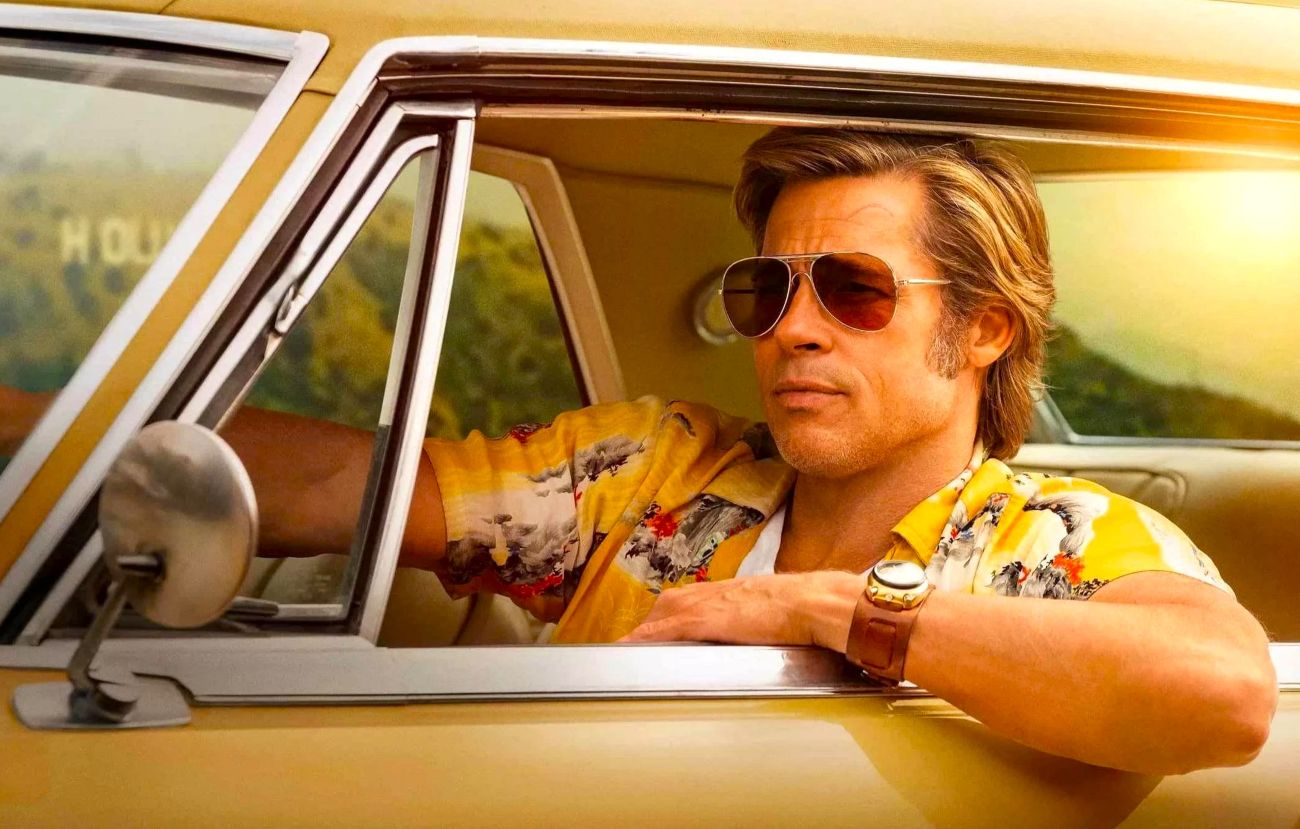
Brad Pitt is bringing back Cliff Booth – and this time Fincher’s directing.
In what might be Hollywood’s most unexpected collaboration of the decade, David Fincher has signed on to direct a sequel to Once Upon a Time in Hollywood, with Quentin Tarantino penning the script. The project marks a rare instance of Tarantino writing for another director, and it signals Netflix’s continued commitment to landing prestige talent for streaming exclusives.
The Dream Team Reunion
The pairing of Fincher and Tarantino represents a creative convergence that fans have speculated about for years. While both directors have carved distinct cinematic identities—Fincher’s meticulous precision versus Tarantino’s pulpy maximalism—their shared obsession with character psychology and narrative structure makes this collaboration particularly intriguing.
Fincher, known for films like Se7en, Fight Club, and The Social Network, brings a clinical eye for detail that could add new dimensions to Tarantino’s already rich characterization of Cliff Booth. The stuntman-turned-unlikely-hero who stole scenes in the 2019 original will reportedly face a new threat in late 1970s Hollywood, though plot details remain tightly under wraps.
Tarantino’s decision to write but not direct represents a significant departure from his established working method. The filmmaker has previously stated his intention to retire after ten films (he’s currently at nine or ten, depending on how you count Kill Bill). By handing directorial duties to Fincher, Tarantino can expand the Once Upon a Time universe without it counting against his self-imposed limit—a creative loophole that benefits everyone involved.
What Made Cliff Booth Worth Revisiting
Brad Pitt’s portrayal of Cliff Booth earned him the Academy Award for Best Supporting Actor in 2020, cementing the character as one of the actor’s most iconic roles. The laid-back stuntman with a mysterious past and unshakable cool became the emotional anchor of Once Upon a Time in Hollywood, balancing Leonardo DiCaprio’s anxious Rick Dalton with quiet competence and unexpected violence.
The character’s appeal lies in his contradictions: he’s simultaneously menacing and charming, loyal and dangerous, marginalized by the industry yet more capable than the stars he doubles for. Cliff represents a particular archetype of masculinity that Tarantino has explored throughout his career, but with more nuance and less bravado than previous iterations.
The original film ended with Cliff hospitalized after the Manson Family attack, leaving his future uncertain. A sequel set in the late 1970s would place the character in an entirely different Hollywood landscape—the New Hollywood era is giving way to blockbusters, and stuntmen like Cliff would be navigating an industry transformed by films like Jaws and Star Wars.
The Netflix Factor
Perhaps the most surprising element of this project is its home. Netflix securing a Fincher-directed, Tarantino-scripted, Brad Pitt-starring sequel represents a major coup for the streamer, which has aggressively pursued prestige filmmakers in recent years.
Fincher has a strong relationship with Netflix, having produced House of Cards and directed Mank for the platform. This existing partnership likely facilitated negotiations, though the decision to premiere a Once Upon a Time sequel on streaming rather than in theaters marks a significant shift. The original film grossed $374 million worldwide and was designed as a love letter to theatrical exhibition.
The streaming exclusive approach suggests that this sequel may take a different tonal direction—perhaps more intimate, more character-focused, less concerned with recreating Hollywood spectacle. Fincher’s recent work has trended toward psychological depth over visual grandeur, which could give the Cliff Booth follow-up a noirish edge distinct from its predecessor.
For fans, the Netflix release means global accessibility and no theatrical wait, though purists may lament the loss of the big-screen experience that made the original so immersive. The platform has committed to a limited theatrical window before streaming release, though details on that rollout remain unclear.
What to Expect in 2026
With production slated to begin in late 2025 for a 2026 release, the project is still in early stages. Casting beyond Pitt has not been announced, though rumors suggest Leonardo DiCaprio may return in a reduced capacity, and Margot Robbie’s Sharon Tate could appear in flashbacks.
What seems certain is that Fincher’s methodical approach will bring new layers to Tarantino’s dialogue-heavy screenplay. Expect long takes, atmospheric tension, and a more grounded exploration of Cliff Booth’s psyche. The combination of Tarantino’s voice with Fincher’s visual language could produce something genuinely fresh, a character study disguised as a sequel, a meditation on aging masculinity in a changing industry.
For now, the project stands as one of 2026’s most anticipated releases, proof that major character returns and prestige collaborations still generate genuine excitement in an era of franchise fatigue. Cliff Booth is back—and this time, he’s got a different kind of director calling the shots.
Frequently Asked Questions
Q: Is Quentin Tarantino directing the Cliff Booth sequel?
A: No, David Fincher is directing the film. Quentin Tarantino wrote the screenplay, marking a rare instance of him writing for another director.
Q: Will the sequel be released in theaters?
A: The film is coming to Netflix as a streaming exclusive in 2026, though Netflix has indicated there may be a limited theatrical window before the streaming release.
Q: Is Leonardo DiCaprio returning as Rick Dalton?
A: This has not been officially confirmed, though rumors suggest DiCaprio may return in a reduced capacity. The focus appears to be primarily on Brad Pitt’s Cliff Booth character.
Q: When is the Cliff Booth Netflix film being released?
A: The film is scheduled for release in 2026, with production expected to begin in late 2025.
Q: Does this count as Quentin Tarantino’s tenth and final film?
A: No, because Tarantino is only writing the screenplay and not directing, this film does not count toward his stated goal of retiring after ten directed features.