
SEO Content Strategy for 2026: What Actually Works

Forget everything you knew about SEO Content Strategy 2026 changed the rules.
If you’re still chasing keyword density, obsessing over meta descriptions, or pumping out generic AI content, you’re burning budget on tactics that stopped working months ago. The SEO landscape has fundamentally shifted, and the strategies that dominated 2023 and 2024 are now actively hurting your rankings.
The problem isn’t just that algorithms evolved—it’s that most marketers are fighting yesterday’s war. Search engines now prioritize genuine expertise over content volume, user experience over technical gimmicks, and topical depth over keyword stuffing. Meanwhile, the explosion of AI-generated content has forced search engines to rethink how they evaluate quality completely.
This guide breaks down the three critical pillars of SEO success in 2026: navigating the AI content landscape without penalties, building genuine topical authority through strategic content architecture, and focusing technical efforts on what actually moves ranking needles. By the end, you’ll have a clear roadmap to abandon outdated tactics and implement strategies that deliver measurable results.
How AI Content Detection Affects Ranking and What to Do About It
The myth that “Google can’t detect AI content” died in late 2025. Search engines now use sophisticated pattern recognition, linguistic analysis, and behavioral signals to identify machine-generated text with remarkable accuracy. But here’s what most marketers misunderstand: detection doesn’t equal penalty.
Google’s official position remains consistent—AI content isn’t inherently against guidelines. The algorithm doesn’t penalize content simply because it was AI-generated. Instead, it penalizes content that lacks expertise, experience, authority, and trustworthiness (E-E-A-T), which AI content frequently does.
The double-E at the beginning of E-E-A-T—Experience—has become the ultimate differentiator in 2026. Search engines now heavily weight content that demonstrates firsthand experience, original research, unique perspectives, or insider knowledge. Generic AI output, by definition, can’t provide these elements because it synthesizes existing information without lived experience.
What this means for your content strategy:
First, abandon the pure AI approach. Content generated entirely by AI and published without substantial human input ranks poorly across nearly every competitive niche. The pattern is unmistakable: thin experience signals, predictable structure, and generic insights trigger algorithmic skepticism.
Second, adopt a hybrid methodology. Use AI for research, outlining, and first drafts, but inject genuine expertise through:
– Original data and case studies: Include proprietary research, customer data, or experimental results that AI can’t access
– Personal experience and examples: Add specific anecdotes, lessons learned, and real-world applications from your practice
– Expert analysis: Provide interpretation, predictions, and nuanced takes that require domain expertise
– Unique visuals: Create custom graphics, screenshots, or data visualizations rather than stock images
Third, optimize for engagement metrics that signal value. Search engines track how users interact with your content—time on page, scroll depth, return visits, and link sharing. Content that genuinely helps people naturally generates better engagement signals, which reinforces rankings.
The winning formula in 2026 combines AI efficiency with irreplaceable human expertise. Think of AI as a research assistant and outline creator, not the author. The content that ranks consistently demonstrates that a knowledgeable human with relevant experience crafted the final piece.
Building Topical Authority Through Strategic Content Clusters
The era of targeting individual keywords with isolated articles is over. Search engines now evaluate your entire site’s credibility on a topic before ranking any single page. This shift toward topical authority has made content architecture more important than individual content quality.
Topical authority works like academic credentials. A single impressive paper doesn’t make you an expert—a body of work across interconnected subtopics does. Search engines apply the same logic. They assess whether your site comprehensively covers a topic through multiple, strategically connected pieces.
The 2026 content cluster model requires three components:
1. Pillar Content: Create comprehensive, authoritative guides on your core topics (2,500-5,000 words). These pillar pages target broad, high-value keywords and serve as the hub for related content. Unlike older pillar models, 2026 pillars must include:
– Semantic breadth: Address the full spectrum of user intent around the topic
– Clear structure: Use extensive headings, jump links, and logical information hierarchy
– Strategic internal links: Connect to 8-15 related cluster articles
– Regular updates: Refresh content quarterly to maintain accuracy and relevance
2. Cluster Content: Develop 8-20 supporting articles that dive deep into specific subtopics (1,000-2,000 words each). Each cluster piece should:
– Target long-tail keywords related to the pillar topic
– Link back to the pillar page with contextual anchor text
– Cross-link to related cluster articles when relevant
– Provide depth that exceeds what the pillar page covers
3. Semantic Architecture: The connection between content matters as much as the content itself. In 2026, effective internal linking:
– Uses descriptive anchor text that signals topic relationships (avoid “click here” or “learn more”)
– Creates logical pathways that match user research journeys
– Distributes link equity to priority pages
– Signals to search engines your site’s topic expertise
Here’s a practical example: A SaaS company targeting “project management software” would create:
– Pillar: “Complete Guide to Project Management Software” (comprehensive overview)
– Clusters: “Agile Project Management Tools,” “Project Management for Remote Teams,” “Project Budget Tracking Software,” “Gantt Chart Software Compared,” etc.
– Semantic links: Each cluster article links to the pillar with relevant anchor text and to 2-3 related clusters
Measuring topical authority requires looking beyond individual page rankings. Track:
– How many pages rank in top 10 for topic-related keywords
– Share of voice across your topic area compared to competitors
– Number of ranking keywords related to your core topics
– Internal linking density within topic clusters
The algorithm rewards sites that demonstrate comprehensive topic coverage through interconnected, high-quality content. Building this authority takes 6-12 months but creates sustainable competitive advantages that isolated articles never achieve.
Technical SEO Priorities That Actually Move the Needle in 2026
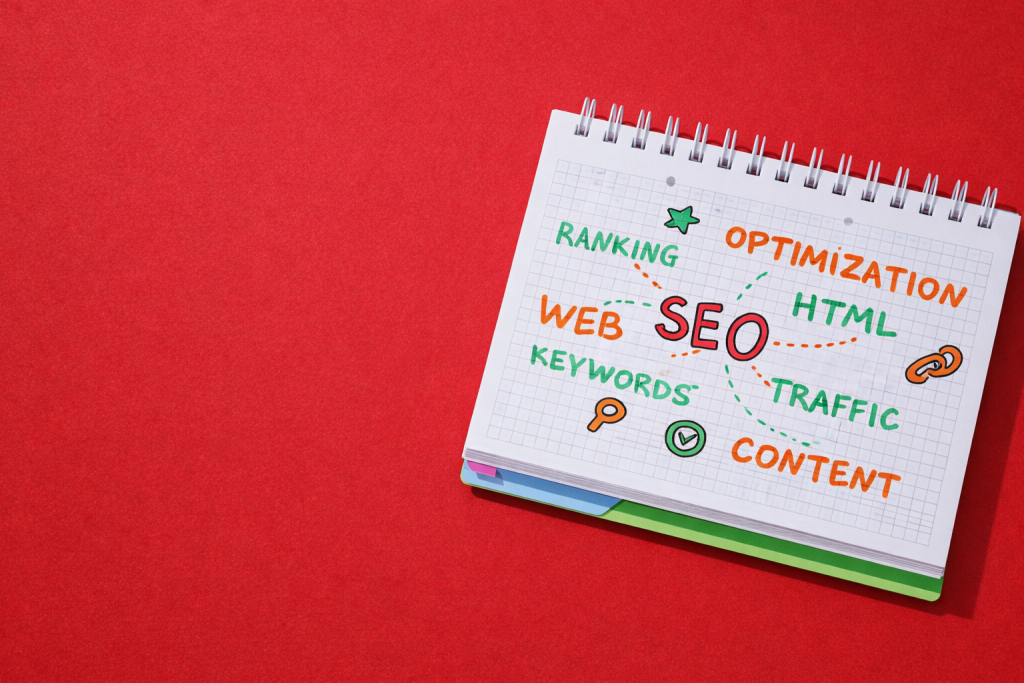
Technical SEO hasn’t disappeared—it’s become more focused. The 200+ ranking factors lists are misleading; in 2026, a handful of technical elements drive the majority of ranking impact. Prioritize these while ignoring the rest.
Core Web Vitals Evolution
Page experience metrics have matured beyond the original Core Web Vitals. The current algorithm emphasizes:
– Interaction to Next Paint (INP): Replaced First Input Delay as the responsiveness metric. Sites must respond to user interactions within 200ms consistently
– Cumulative Layout Shift (CLS): Still critical, but now measured throughout the entire page lifecycle, not just initial load
– Largest Contentful Paint (LCP): The 2.5-second threshold remains, but mobile performance weighs heavier than desktop
The quick wins: implement lazy loading for images below the fold, minimize JavaScript execution time, use a CDN for faster content delivery, and eliminate layout shifts from dynamically loaded content.
Mobile-Only Mindset
Google’s mobile-first indexing is now effectively mobile-only indexing. The desktop version of your site barely influences rankings. If your mobile experience is mediocre, your rankings are too.
Priorities:
– Touch-friendly navigation with adequate spacing between clickable elements
– Readable font sizes without zooming (minimum 16px)
– Full content parity with desktop (no hidden or truncated sections)
– Fast mobile load times (under 3 seconds)
Structured Data and Entity Optimization
Search engines now understand entities—people, places, things, concepts—not just keywords. Structured data helps algorithms understand what your content is about at an entity level.
Implement schema markup for:
– Articles, blog posts, and news content (Article schema)
– Products and services (Product, Service schema)
– Business information (LocalBusiness, Organization schema)
– FAQs and How-tos (FAQPage, HowTo schema)
– Reviews and ratings (Review, AggregateRating schema)
The return on investment is immediate: enhanced search results with rich snippets, featured snippet eligibility, and improved click-through rates.
AI-Powered Search Integration
Google’s Search Generative Experience (SGE) and similar AI-powered features are reshaping how results display. To appear in AI-generated summaries:
– Use clear, concise answers to common questions
– Structure content with descriptive headings that signal topic coverage
– Include bullet points and numbered lists for easy extraction
– Cite sources and data to build credibility
What NOT to Waste Time On
Stop obsessing over:
– Exact keyword density percentages (semantic relevance matters, not keyword repetition)
– Meta description length to the character (they don’t directly impact rankings)
– Minor robots.txt optimizations (focus on major crawlability issues only)
– Perfect DA/DR scores (correlation isn’t causation; these are third-party metrics)
Quick Wins vs. Long-Term Investments
Quick wins (implement this week):
– Fix broken internal links
– Add missing alt text to images
– Implement FAQ schema on relevant pages
– Compress images and enable browser caching
Long-term investments (plan for 3-6 months):
– Comprehensive site speed optimization
– Mobile experience redesign
– Content cluster architecture development
– Technical debt elimination
The technical foundation enables your content strategy to succeed. A fast, well-structured, mobile-optimized site with proper schema markup gives your content the best chance to rank. But technical perfection without strong content and topical authority won’t move needles in 2026.
The Path Forward
SEO in 2026 rewards depth over breadth, expertise over volume, and user experience over technical tricks. The winning formula combines AI-assisted content creation with genuine human expertise, strategic content architecture that builds topical authority, and focused technical optimization on high-impact elements.
Start by auditing your current approach against these three pillars:
1. Content quality: Are you publishing thin AI content or expertise-driven pieces with original insights?
2. Topic coverage: Do you have comprehensive content clusters or isolated articles?
3. Technical foundation: Are your Core Web Vitals optimized, and mobile experience excellent?
Pick the weakest pillar and address it first. SEO success in 2026 requires excellence across all three, but perfection in one area won’t compensate for neglect in others.
The rules changed, but the opportunity expanded. While competitors waste resources on outdated tactics, you can build sustainable competitive advantages through expertise-driven content, strategic architecture, and focused technical excellence. The question isn’t whether to adapt—it’s how quickly you’ll implement what actually works.
Frequently Asked Questions
Q: Will Google penalize my website for using AI-generated content?
A: No, Google doesn’t penalize content simply for being AI-generated. The algorithm penalizes content that lacks expertise, experience, authority, and trustworthiness (E-E-A-T), which purely AI content often does. The key is using AI as a tool while ensuring human experts add original insights, firsthand experience, and unique analysis to the final content.
Q: How long does it take to build topical authority?
A: Building meaningful topical authority typically takes 6-12 months of consistent effort. This includes creating comprehensive pillar content, developing 8-20 supporting cluster articles, establishing strong internal linking architecture, and regularly updating content. Results often appear gradually, with notable ranking improvements after 3-4 months as search engines recognize your comprehensive topic coverage.
Q: What’s the most important technical SEO factor in 2026?
A: Mobile page experience is the single most critical technical factor. With mobile-only indexing fully implemented, your mobile site performance directly determines rankings. Focus on Core Web Vitals (especially Interaction to Next Paint and Largest Contentful Paint), mobile-friendly design, and fast load times under 3 seconds.
Q: Should I delete old AI-generated content from my site?
A: Don’t delete automatically—audit and improve instead. Review AI-generated content and enhance pieces with original research, expert analysis, personal examples, and unique data. Delete only content that’s thin, duplicative, or provides no user value. Updated, expertise-enhanced content will perform better than deletion, which eliminates potential traffic and internal linking value.
Q: How many cluster articles do I need for each pillar page?
A: Aim for 8-20 cluster articles per pillar page, depending on topic breadth. The goal is comprehensive coverage of subtopics, not hitting a specific number. Research your topic area, identify key subtopics and user questions, and create in-depth content for each. Quality and relevance matter more than quantity—10 excellent cluster articles outperform 20 mediocre ones.
Q: Do I still need to optimize for featured snippets?
A: Yes, but the approach has evolved. Featured snippets remain valuable for visibility and traffic, and they often feed into AI-powered search summaries like Google’s SGE. Optimize by providing clear, concise answers to common questions, using proper heading structure, formatting content in lists or tables when appropriate, and including FAQ schema markup.