
Influencer Fatigue: What’s Next for Content Creators

The cause of influencer fatigue (and what comes next).
If you’ve been creating content for more than a few years, you’ve probably noticed the shift. Engagement rates that used to soar now barely flutter. Comments that once praised your aesthetic now question your authenticity. The influencer economy that promised endless growth is showing cracks, and creators everywhere are asking the same question: What happened?
The answer is influencer fatigue—a phenomenon that’s reshaping the entire creator landscape. But before you panic about your declining metrics or consider abandoning your platform entirely, understand this: the problem isn’t content creation itself. It’s the version of influencing that dominated the 2010s. Your audience isn’t tired of you; they’re tired of a performance that no longer resonates.
Let’s break down what’s really happening, why audiences are pulling back, and most importantly, how you can evolve without losing everything you’ve built.
The Unmistakable Signs of Influencer Fatigue
Declining Engagement on Perfectly Polished Content
Remember when a perfectly curated grid was the gold standard? When every photo needed the same filter, every flat lay had to be geometrically precise, and every caption needed to sound like a lifestyle magazine?
Those posts are now dying quiet deaths in your followers’ feeds.
Data from multiple social platforms reveals that highly polished, overly aesthetic content is performing worse year over year. Instagram’s own algorithm updates have deprioritized static feed posts in favor of Reels and Stories—formats that inherently feel less produced. TikTok’s entire rise was built on the anti-Instagram aesthetic: raw, unfiltered, and spontaneous.
The engagement numbers tell the story. Creators with millions of followers are seeing single-digit percentage engagement rates. Meanwhile, smaller accounts posting behind-the-scenes content, talking directly to the camera without makeup, or sharing genuine failures are seeing higher interaction rates than ever before.
The Rise of “Deinfluencing”
Perhaps nothing signals influencer fatigue more clearly than the explosive popularity of “deinfluencing” content. Creators are now going viral by telling audiences not to buy products, exposing the reality behind sponsored posts, and calling out the consumption culture that influencer marketing created.
This trend isn’t just Gen Z rebellion—it’s a market correction. Audiences spent years being told that buying the right products would transform their lives. When those promises failed to deliver, trust eroded. Now they’re hungry for creators who’ll be honest about what’s actually worth the money and what’s just marketing hype.
Platform Algorithm Shifts Favor Authenticity
Social platforms haven’t missed this shift. Instagram introduced features like “Close Friends” and emphasized Stories over feed posts. TikTok’s algorithm actively promotes content from smaller creators and rewards authentic engagement over follower count. YouTube is pushing Shorts and community posts that feel more immediate and less produced.
These aren’t random changes—they’re platforms responding to user behavior data showing that people are spending more time with content that feels real and less time with content that feels like an advertisement.
Generational Shifts in Content Consumption
Gen Z, now the largest demographic on most social platforms, came of age watching influencer culture mature and sometimes implode. They witnessed influencer scandals, saw how sponsorships work behind the scenes, and developed sophisticated BS detectors.
Where Millennials might have aspired to an influencer’s lifestyle, Gen Z is more likely to question it. They value transparency, social consciousness, and realness over the aspirational content that dominated the early influencer era. They don’t want to see your perfect life—they want to see your real one.
Public Creator Backlash
High-profile influencer controversies have accelerated the fatigue. From tone-deaf pandemic posts about “we’re all in this together” filmed in mansions, to exposed scams and misleading sponsorships, audiences have watched their favorite creators reveal themselves to be more marketing machine than authentic personality.
Each scandal erodes trust not just in individual creators, but in the entire influencer model. Your audience is now approaching all influencer content with more skepticism, even if you’ve never done anything wrong.
What Audiences Actually Want Now
Raw, Unfiltered Content Over Production Value
The pendulum has swung hard toward authenticity. Audiences now prefer a shaky phone video of you talking about something you genuinely care about over a professionally shot vlog that feels scripted.
This doesn’t mean production value is dead—it means it needs to serve the content, not replace it. A well-edited video that maintains authentic energy will always beat a perfectly lit video with no substance.
Look at the most successful TikTok creators: many film in their bedrooms, use natural lighting, and speak directly to the camera without scripts. The production is minimal, but the connection is maximum.
Educational and Value-Driven Content
The “lifestyle influencer” model is being replaced by the “expert creator” model. Audiences want to learn something, gain a new perspective, or develop a skill—not just watch someone live a life they’ll never have.
This shift explains why educational content is booming across platforms. Finance creators teaching budget strategies, skincare experts breaking down ingredients, tech reviewers offering genuine comparisons—these creators are thriving because they offer tangible value beyond aspiration.
Even entertainment-focused creators are shifting toward this model. Comedy creators are using their platform to comment on culture. Travel creators are providing genuine tips and cultural education rather than just showing beautiful destinations.
Relatability Over Aspiration
The aspirational lifestyle content that defined early influencing—the constant travel, luxury goods, perfect homes—now feels out of touch to audiences struggling with inflation, housing costs, and economic uncertainty.
What resonates now? Creators who show the struggle. The failed recipe before the perfect one. The rejection before the success. The anxiety behind the confident exterior.
This isn’t about trauma dumping or performing struggle for engagement. It’s about showing the full picture of your life, not just the highlight reel.
Transparency About the Business
Audiences know influencing is a business. They’re not naive. What they resent is when creators pretend it’s not.
The most successful creators today are transparent about their sponsorships, honest about their income streams, and open about the work that goes into content creation. They’ll say “this is an ad, but I genuinely use this product” or “I’m trying to grow my income, so I appreciate you using my affiliate links.”
This transparency builds trust. It acknowledges the audience’s intelligence. And paradoxically, it makes them more likely to support your business, not less.
Community Over Broadcasting
One-way communication is dying. Audiences don’t want to be talked at; they want to be part of a conversation.
The creators who are thriving are those who’ve built genuine communities. They respond to comments. They ask their audience for input. Also create content based on what their community wants to see. They make their followers feel like collaborators rather than consumers.
This is why Discord servers, exclusive memberships, and Patreon communities are exploding. Audiences will pay for access to a creator who makes them feel seen and valued.
How to Adapt Your Content Strategy
Embrace Imperfection Strategically
This doesn’t mean abandoning quality standards or posting sloppy content. It means showing the process, the mistakes, and the reality behind the finished product.
Share your content creation process. Show failed attempts. Talk about the challenges of the creator life. Let your personality shine through without the polish.
The key word is strategically. You’re not aiming for chaos—you’re aiming for authentic connection that happens to include imperfection.
Double Down on Your Niche Expertise
The generalist lifestyle influencer is dying. The specialist creator is thriving.
What do you genuinely know more about than most people? What could you teach? And what unique perspective or experience do you have?
Leaning into specific expertise makes you valuable rather than just entertaining. It gives audiences a reason to follow you beyond liking your aesthetic or lifestyle.
If you’ve been a beauty influencer, maybe it’s time to focus specifically on skincare science, or makeup for mature skin, or affordable alternatives to luxury products. Specificity creates value.
Build Community, Not Just Audience
Shift your mindset from broadcasting to community building. This means:
– Actually responding to comments and DMs
– Creating content based on audience requests and questions
– Featuring your community in your content
– Building spaces (Discord, membership platforms) for your audience to connect with each other
– Making decisions collaboratively when possible
Your most loyal followers will become advocates who defend you, promote your content, and stick with you through algorithm changes.
Mix Content Formats and Vulnerability Levels
You don’t have to abandon polished content entirely. Instead, create a mix:
– Polished educational content that showcases your expertise
– Behind-the-scenes content that shows your process
– Personal stories that reveal your values and challenges
– Community-focused content that highlights your followers
This variety keeps your feed interesting while building different types of connection with your audience.
Prioritize Long-Term Trust Over Viral Moments
Viral content is tempting, but it’s often empty calories for your creator career. A viral video might get you followers, but it won’t build the trust that sustains a long-term creator business.
Instead, focus on:
– Consistent value delivery
– Honest communication about sponsorships and business
– Standing by your values even when it’s not popular
– Building expertise and authority in your niche
This approach might grow your audience more slowly, but it will be more sustainable and more valuable.
Be Selective About Brand Partnerships
Every sponsorship you take either builds or erodes trust. Your audience can tell when you’re promoting something you don’t actually use or believe in.
The new standard: only partner with brands you genuinely support, be transparent about the partnership, and maintain editorial honesty. If a product has downsides, mention them. If it’s not for everyone, say so.
You might make less money short-term, but you’ll maintain the trust that allows you to make money long-term.
The Future Belongs to Authentic Creators
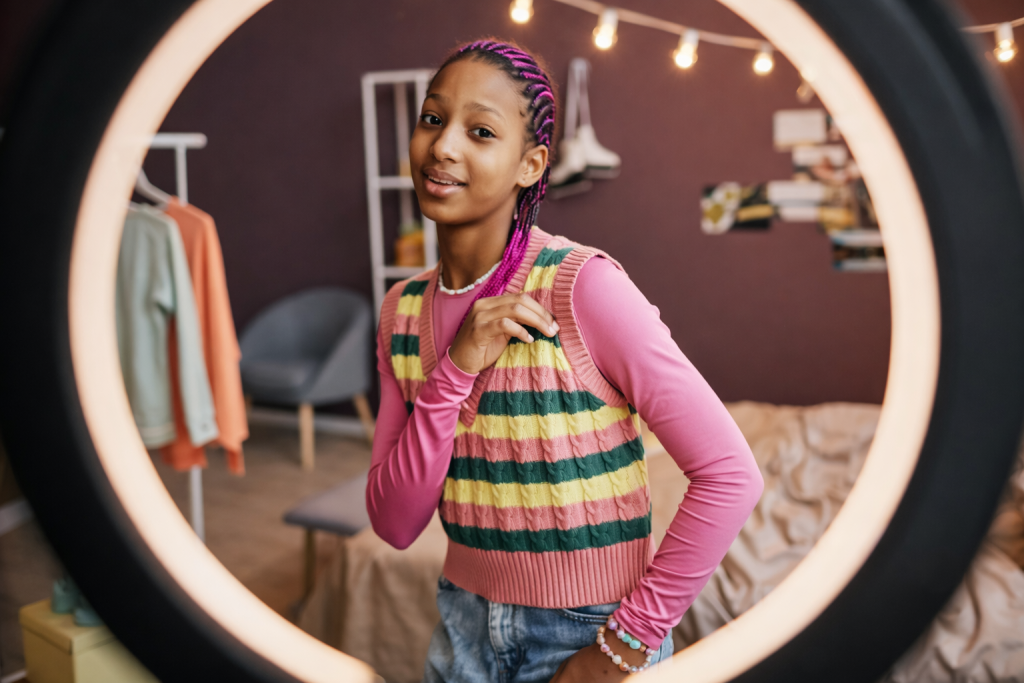
Influencer fatigue isn’t the end of content creation, it’s an evolution. The creators who will thrive in the next era are those who can balance professionalism with authenticity, who offer genuine value beyond aspiration, and who treat their audience as a community rather than a commodity.
This shift is actually good news for thoughtful creators. It means the influencer economy is moving away from who can afford the best camera or the most luxurious lifestyle, and toward who can build real connections and deliver real value.
Your audience isn’t tired of you. They’re tired of the performance. Give them the real you—the expert, the imperfect human, the community builder—and you’ll not only survive this shift, but you’ll also thrive in it.
The influencer era is ending. The creator era is just beginning. And it’s better for everyone involved.
Frequently Asked Questions
Q: Is influencer marketing completely dead?
A: No, influencer marketing isn’t dead—it’s evolving. What’s dying is the old model of purely aspirational, highly polished lifestyle content. Influencer marketing still works when it’s authentic, transparent, and value-driven. Audiences will engage with sponsored content if they trust the creator and believe the recommendation is genuine. The key is being selective about partnerships and maintaining honesty about your experience with products.
Q: Should I delete all my old polished content?
A: Absolutely not. Your old content represents your journey and may still provide value. Instead of deleting, focus on what you create moving forward. You can gradually shift toward more authentic content while keeping your archive intact. Some followers may even appreciate seeing your evolution as a creator. The goal isn’t to erase your past but to evolve your future.
Q: How do I be more ‘authentic’ without oversharing?
A: Authenticity doesn’t mean sharing everything—it means being genuine within your chosen boundaries. You can be real about challenges without sharing every personal detail. Focus on being honest about your expertise, transparent about your business, and real about the effort behind your content. Share what feels comfortable while maintaining honesty. Authenticity is about removing pretense, not removing privacy.
Q: Will showing imperfection make brands not want to work with me?
A: The right brands will actually prefer it. Companies are also responding to influencer fatigue and seeking creators who can deliver authentic engagement rather than just polished images. Brands are learning that audiences trust imperfect creators more, which leads to better campaign performance. The brands that only want perfection are increasingly the ones seeing poor ROI on influencer partnerships anyway.
Q: How long will this shift toward authenticity last?
A: This isn’t a temporary trend—it’s a fundamental shift in how audiences relate to online content. The performative influencer era was the anomaly; authentic connection is what people have always craved. While specific platforms and formats will continue evolving, the core desire for genuine, valuable content from real people isn’t going away. Building your strategy around authenticity future-proofs your creator career better than chasing any specific trend.