
Vintage Radio Ad Techniques That Still Work Today: The Lost Art of the ‘Screamer’
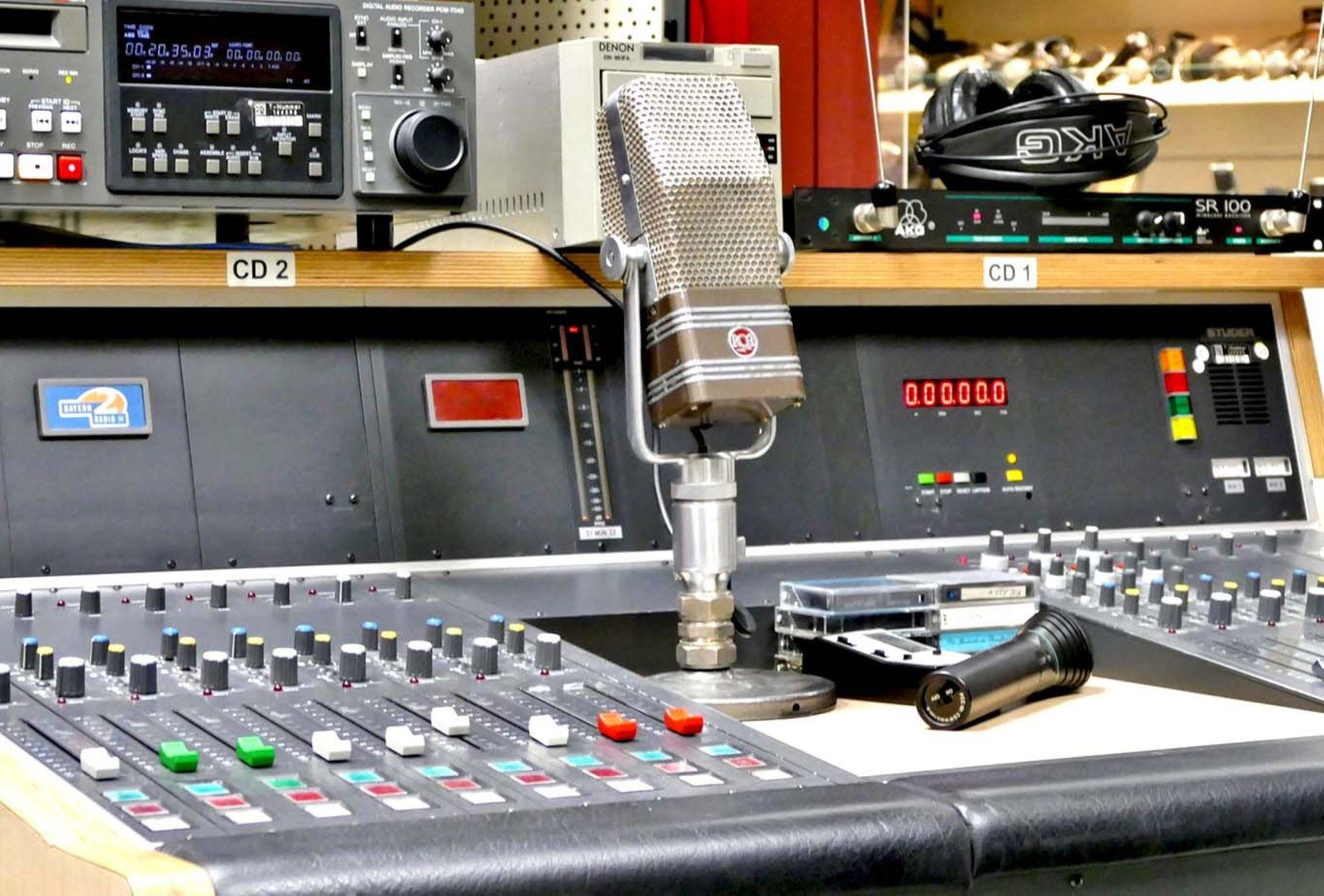
This voice actor could speak 300 words per minute and made millions for racetracks.
In an era where podcasts, streaming services, and digital ads dominate the audio landscape, creating radio advertising that actually gets remembered has become increasingly difficult. Modern marketers pour thousands into radio campaigns only to watch their carefully crafted messages disappear into the background noise of commuter traffic and distracted listeners. But there’s a forgotten technique from the 1970s that commanded attention so effectively, it turned unknown businesses into household names overnight—and it’s time for a comeback.
The ‘Screamer’ Revolution: When Radio Ads Refused to Be Ignored
In the 1970s, a distinctive style of radio advertising emerged that would define an entire generation of commercial breaks. Known as “screamer” ads, these spots featured voice actors delivering copy at breakneck speeds with an intensity that made ignoring them virtually impossible. Unlike today’s polished, conversational ads that blend seamlessly into programming, screamers were designed to jolt listeners out of whatever they were doing.
The technique worked on a simple principle: cognitive disruption. When every other ad spoke at a measured pace with pleasant background music, the screamer cut through like a fire alarm. The rapid-fire delivery created a sense of urgency that conventional ads couldn’t match. Listeners might have complained about the intensity, but they remembered every word—and more importantly, they showed up at the advertised businesses.
The screamer style wasn’t just about speed, though. It combined several psychological triggers:
Pattern Interruption: The sudden shift in pacing and energy level broke listeners out of their mental autopilot, forcing active attention.
Information Density: By packing more words into the same 30 or 60-second spot, screamers delivered more value propositions, creating multiple mental hooks.
Urgency Amplification: Fast talking naturally conveys time pressure, making limited-time offers feel genuinely urgent rather than artificially manufactured.
Memorability Through Distinctiveness: The unusual delivery style made the ads themselves memorable, not just the products they promoted.
Racetracks, car dealerships, furniture stores, and entertainment venues became the primary users of this technique. Why? Because they needed to move inventory quickly, fill seats on specific dates, and create immediate action. A furniture store couldn’t wait for brand awareness to build over months—they needed customers walking through the door this weekend.
The Legend of ‘Supermouth’ Larry Huffman and Radio’s Golden Voice Era
At the center of the screamer phenomenon stood voice actors who turned rapid-fire delivery into an art form. None was more famous than Larry “Supermouth” Huffman, whose ability to clearly articulate 300 words per minute made him the most sought-after voice in racing advertising.
Huffman didn’t just talk fast—he maintained perfect clarity and inflection at speeds that would cause most people to stumble. His secret? Years of practice, exceptional breath control, and an innate understanding of which syllables could be compressed and which needed emphasis for comprehension. When Huffman voiced an ad for a racetrack, attendance spiked. When he promoted a special event, it sold out.
The economics were staggering. A single Huffman-voiced campaign could generate hundreds of thousands of dollars in ticket sales. Racetracks would fight for his schedule, knowing that his voice meant the difference between half-empty stands and capacity crowds. He didn’t just read copy—he performed it with a manic energy that made listeners believe they were missing out on the event of a lifetime if they didn’t attend.
Other legendary voices in this era included:
Mike Smith, whose gravelly screamer voice became synonymous with Midwest car dealership advertising, reportedly moving over 10,000 vehicles in a single month during his peak.
Earl Scheib, who voiced his own auto painting commercials with the famous line “I’ll paint any car, any color for $29.95” delivered with such conviction that his business expanded to hundreds of locations.
Don LaFontaine started his career in screamers before becoming the “In a World…” movie trailer voice, showing how these techniques translated to other formats.
What made these voice actors worth their premium fees was their understanding of vocal architecture. They knew how to build momentum through a spot, where to place emphasis for maximum impact, and how to deliver a call-to-action with such urgency that listeners would grab a pen mid-drive to write down a phone number.
The screamer era also proved something that many modern marketers forget: personality matters more than polish. Huffman’s ads weren’t smooth or sophisticated. They were raw, energetic, and impossible to ignore. In trying to make everything sound professional and branded, modern radio advertising has often sanded away the very edges that made ads effective.
Adapting High-Energy Techniques for the Modern Audio Landscape
The question isn’t whether screamer techniques work—they demonstrably do. The question is how to adapt them for modern listeners who have different expectations and more ways to tune out than ever before.
Here’s the critical insight: today’s radio landscape has swung so far toward conversational, “authentic” advertising that there’s now a massive opportunity for well-executed energy and urgency. When every other ad sounds like a podcast conversation, strategic intensity stands out again.
Modern Implementation Strategies
The Hybrid Approach: Start conversational, then shift gears. Begin your spot with a standard pace and energy level to avoid immediate tune-out, then accelerate into key information. This provides the pattern interruption without triggering the negative associations some listeners have with “hard sell” tactics.
Strategic Speed Variation: Rather than maintaining breakneck pace throughout, use speed as a highlighting tool. Slow down for your brand name and key differentiator, speed up for supporting details and offers. This creates natural emphasis without losing clarity.
The Information Cascade: Modern screamers should pack value, not just volume. Use rapid delivery to present multiple reasons to act: “Open Sunday, same-day delivery available, no interest financing, plus we’ll beat any competitor’s price.” Each phrase gives listeners another hook to remember.
Energy Without Shouting: Modern recording technology allows for intensity without volume. A voice actor can deliver urgency through pacing and inflection rather than simply being loud, making the ad attention-grabbing without being abrasive.
What to Avoid
Artificial Urgency: Modern listeners can detect manufactured scarcity. If you’re using fast-paced delivery to push a fake limited-time offer, the technique will backfire. Screamers work best for genuinely time-sensitive offers.
Sacrificing Clarity: Huffman was successful because you could understand him. Speed without comprehension is just noise. Every word must be intelligible, or you’re wasting both speed and listener attention.
Wrong Business Types: Not every business should use high-energy techniques. Funeral homes, medical services, and luxury brands generally benefit from different approaches. Screamers work best for event-driven businesses, retail with time-sensitive offers, and entertainment venues.
Forgetting the Brand: The most common mistake in energy-focused advertising is making the ad memorable while the brand remains forgettable. Your business name should be mentioned multiple times and clearly distinguished from the surrounding copy.
Testing and Optimization
Modern marketers have an advantage 1970s advertisers didn’t: analytics. When testing screamer-style approaches, track:
– Direct response metrics: Phone calls, web traffic, and foot traffic during campaign periods
– Brand recall surveys: Are people remembering your business after hearing the ad?
– Competitive distinction: Are listeners confusing your ad with competitors’?
– Listener sentiment: Some negative reaction is acceptable if positive action outweighs it
Start with A/B testing. Run your conventional radio creative against a higher-energy version on different dayparts or stations. Measure actual business results, not just creative preferences. Many ads that test poorly in focus groups perform brilliantly in real-world conditions because people confuse their aesthetic preferences with actual behavioral responses.
The Voice Talent Question
Finding modern voice actors who can execute high-energy delivery effectively is challenging. Most contemporary voice training emphasizes naturalistic, conversational delivery. Look for talent with:
– Theater or comedy backgrounds: Stage performers understand energy projection
– Auction calling experience: Auctioneers are the modern masters of rapid, clear speech
– Sports announcing backgrounds: These professionals know how to maintain excitement without exhausting listeners
– Radio DJ experience: Particularly from high-energy formats like Top 40
Don’t just hire based on demo reels. Do a live audition where you progressively ask for more speed and energy. Many voice actors can deliver conventional spots beautifully but lack the breath control and articulation for screamer-style work.
The Verdict: Strategic Intensity in a Conversational World
The screamer technique shouldn’t be applied to every radio campaign, but it absolutely deserves a place in the modern advertiser’s toolkit. In an audio landscape where everyone is trying to sound like a friendly conversation, strategic bursts of high-energy urgency can be remarkably effective.
The key is understanding why screamers worked in the 1970s—not just what they sounded like. They worked because they were different from everything else on the radio. They worked because they conveyed genuine urgency. They worked because they packed more information into the same time span. And they worked because they were performed by exceptional voice talent who made the technique an art form.
For modern application, consider these guidelines:
Use it when you have genuine urgency: Event dates, inventory clearances, and time-limited offers are ideal candidates.
Match it to your business type: Retail, entertainment, automotive, and hospitality can pull this off. Professional services generally cannot.
Invest in real talent: A poorly executed screamer is worse than a conventional ad. This isn’t a technique for bargain-basement voice actors.
Test and measure ruthlessly: Don’t fall in love with your creative if it’s not driving business results.
The most important lesson from Larry Huffman and the screamer era isn’t that talking fast sells products. It’s that being strategically different from your competitive set—and being willing to sacrifice some listeners’ aesthetic preferences to gain others’ attention and action—often produces better business results than trying to appeal to everyone with middle-of-the-road creative.
In 2024 and beyond, radio advertising faces more competition for listener attention than ever before. Streaming services let people skip ads entirely. Podcasts condition listeners to expect longer-form, conversational content. In-car entertainment systems offer dozens of alternatives to traditional radio.
In this environment, polite, forgettable radio advertising is a waste of money. You need to give listeners a reason to pay attention, remember your message, and take action. Sometimes the best way to do that is with a technique that was perfected fifty years ago—delivered at 300 words per minute by someone who understood that memorable beats likeable every time.
The screamers of the 1970s proved something that modern marketers often forget: advertising doesn’t have to be loved to be effective. It has to be noticed, remembered, and acted upon. Everything else is just creative self-indulgence.
So the next time you’re planning a radio campaign for a time-sensitive offer or event, ask yourself: Am I trying to win advertising awards, or am I trying to fill seats and move inventory? If it’s the latter, it might be time to learn from Supermouth Larry Huffman and give your radio ads permission to actually demand attention again.
Frequently Asked Questions
Q: What exactly is a ‘screamer’ radio ad?
A: A ‘screamer’ is a radio advertising style popular in the 1970s that featured voice actors speaking at extremely fast speeds (often 250-300 words per minute) with high energy and intensity. Rather than the conversational tone common in modern ads, screamers were deliberately attention-grabbing and urgent, designed to stand out from other radio content. They were most commonly used by racetracks, car dealerships, furniture stores, and entertainment venues to create immediate action.
Q: Who was Larry ‘Supermouth’ Huffman?
A: Larry ‘Supermouth’ Huffman was one of the most famous voice actors of the screamer era, known for his ability to speak up to 300 words per minute while maintaining perfect clarity. He specialized in racetrack advertising and became so effective that his voice alone could significantly increase attendance at events. Racetracks would compete for his schedule because his ads consistently generated hundreds of thousands of dollars in ticket sales.
Q: Do fast-paced radio ads still work in modern advertising?
A: Yes, but they require strategic adaptation. The principle behind screamers—standing out through pattern interruption and conveying urgency—remains effective, especially since most modern radio ads use conversational tones. However, modern implementation should use speed selectively rather than constantly, ensure perfect clarity, and apply the technique primarily to businesses with genuine time-sensitive offers or event-driven sales rather than brand-building campaigns.
Q: What types of businesses should use high-energy radio advertising?
A: High-energy techniques work best for event-driven businesses like entertainment venues, retail stores with inventory clearances, automotive dealerships, hospitality businesses with limited-time promotions, and any business with genuinely time-sensitive offers. They’re generally not appropriate for professional services (medical, legal, financial), luxury brands, or businesses that rely heavily on trust and relationship-building rather than immediate action.
Q: How do I find voice actors who can deliver screamer-style ads effectively?
A: Look for voice talent with backgrounds in theater, sports announcing, radio DJ work (especially Top 40 formats), or even auction calling. The key skills are breath control, clear articulation at high speeds, and the ability to maintain energy without shouting. Don’t rely solely on demo reels—conduct live auditions where you progressively ask for more speed and energy to test whether the actor can actually execute the style while maintaining clarity.