
How Wanelo Changed Online Shopping: The Rise (and Fall) of a Social Commerce Pioneer
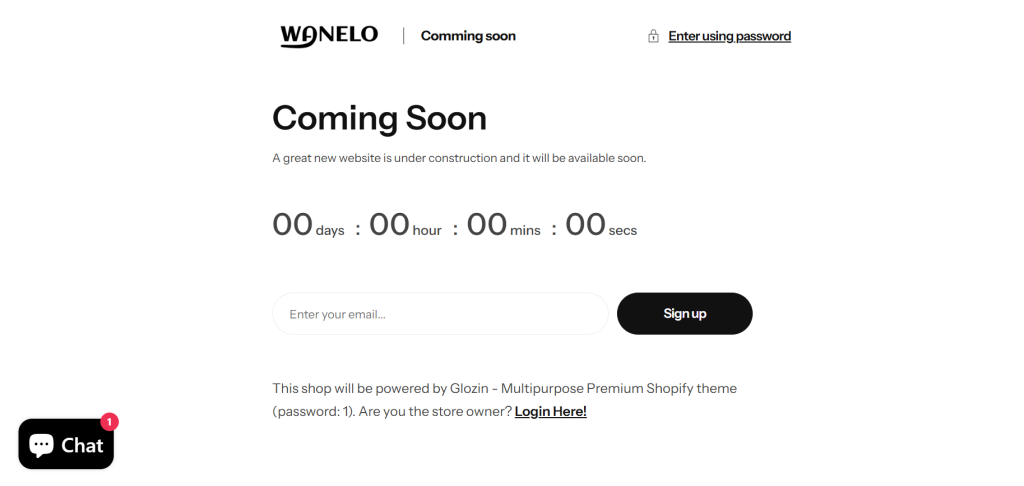
Wanelo means Want, Need, Love. It was once a trailblazer in the world of social commerce, blending the excitement of social networking with the convenience of online shopping.
Emerging at a time when digital consumers craved more personalized and community-driven experiences,
Wanelo allowed users to discover, save, and share products in a way that felt more social than transactional.
Its rise marked a turning point in how people connected with brands and trends online, influencing platforms like Pinterest, Instagram Shopping, and TikTok Shop.
However, as competition intensified and consumer behavior evolved, Wanelo’s momentum slowed, offering valuable lessons on innovation, adaptability, and the rapidly changing nature of e-commerce.
The Birth of Wanelo and Its Social Shopping Vision
Wanelo emerged in 2012 as a groundbreaking platform at the heart of the social commerce evolution, redefining how people discovered and shared products online.
Founded by Deena Varshavskaya, Wanelo thrived on user-generated shopping trends, where individuals curated and recommended products they truly loved.
This organic interaction fueled a vibrant Wanelo community impact, connecting millions of users through shared tastes and authentic recommendations.
With a blend of social networking and online retail, Wanelo set the stage for a new era of interactive and socially inspired shopping.
How Wanelo Redefined Online Discovery and Community
Wanelo reimagined the way people discovered products online by blending the appeal of social networking with the thrill of personalized shopping.
Unlike traditional e-commerce sites dominated by brand-driven marketing, Wanelo placed users at the center of the experience.
Every product shared, saved, or hearted on the platform contributed to user-generated shopping trends, giving everyday shoppers the power to influence what became popular.
This democratized model of discovery marked a major shift in the social commerce evolution, where influence came not from corporations but from communities built around shared tastes and aesthetics.
Wanelo’s interface encouraged endless exploration as users could follow friends, favorite stores, and style influencers, creating a personalized feed of real recommendations rather than algorithmic suggestions.
The Wanelo community impact was profound. It fostered a sense of belonging among trendsetters, creatives, and everyday consumers who wanted authentic connections in the digital marketplace.
Wanelo was about buying and discovering new brands, expressing individuality, and participating in a broader culture of social discovery.
This made Wanelo a blueprint for how community engagement could redefine online retail.
The Decline and Lessons from Wanelo’s Fall
The rapid growth of competing platforms like Pinterest, Instagram Shopping, and later TikTok Shop accelerated the social commerce evolution, leaving Wanelo struggling to keep up with new technologies and shifting user behaviors.
While these competitors integrated shopping features directly into broader social networks, Wanelo remained a niche community that was appealing but limited in reach.
Another challenge came from its dependence on user-generated shopping trends, which initially fueled growth but became difficult to sustain without consistent innovation or brand partnerships.
As mainstream e-commerce giants optimized their personalization algorithms and advertising strategies, Wanelo’s model began to feel static.
The Wanelo community impact weakened as users migrated to larger platforms offering richer engagement, influencer-driven content, and integrated checkout experiences.
However, Wanelo’s decline offers valuable lessons. It highlighted the importance of adaptability, continuous innovation, and strategic scaling in a fast-paced world of online retail.
Wanelo’s story reminds modern brands that genuine community connection, when nurtured and evolved, remains one of the most powerful forces driving sustainable success in social commerce.
Wanelo’s Lasting Impact on Modern Social Commerce

Though Wanelo’s platform eventually declined, its influence on today’s digital marketplace is undeniable.
As an early pioneer in the social commerce evolution, Wanelo proved that shopping could be both interactive and community-centered.
This idea continues to shape modern e-commerce strategies.
Many modern platforms, such as Instagram, TikTok, Pinterest, and Depop, have adopted Wanelo’s foundational principles of discovery through connection and peer influence.
The rise of user-generated shopping trends across social platforms such as influencer-curated wishlists, shoppable posts, and community-driven product recommendations echoes the original spirit of Wanelo.
Wanelo demonstrated that consumers are more inspired by real people than by polished brand campaigns.
Even after its decline, the Wanelo community impact continues to inspire a new generation of startups to merge content, community, and commerce, shaping how consumers interact with brands online.
In many ways, Wanelo didn’t just change how people shop; it laid the foundation for a more social, collaborative, and experience-driven approach to online retail that defines the digital economy today.
Final Thoughts
Wanelo’s journey from a bold social shopping experiment to a nostalgic digital memory offers a compelling look at how innovation, community, and timing shape success.
It stood at the forefront of the social commerce evolution, proving that authentic engagement and user-generated shopping trends could drive real consumer influence long before influencer marketing became mainstream.
While the platform couldn’t sustain its growth, the Wanelo community impact continues to echo through today’s digital ecosystems, inspiring platforms that blend social interaction with shopping.
Wanelo’s legacy is a reminder that meaningful online experiences are built on connection, creativity, and trust.
Frequently Asked Questions
1. What was Wanelo, and why was it popular?
Wanelo meant Want, Need, Love. It was a social commerce platform that allowed users to discover, save, and share products they loved.
It became popular for turning shopping into a social, community-driven experience where people influenced each other’s buying decisions.
2. How Did Wanelo Contribute to the Social Commerce Evolution?
Wanelo played a key role in the social commerce evolution by merging social networking with online shopping.
It introduced the idea that product discovery could come from friends, influencers, and user-generated collections instead of traditional ads.
3. What Made Wanelo’s Community Unique?
The Wanelo community impact was built on authenticity and shared interests.
Users could follow others, curate product boards, and explore real recommendations.
4. Why Did Wanelo Decline?
Wanelo struggled to compete as larger platforms like Pinterest, Instagram, and TikTok integrated shopping features directly into their ecosystems.
Its dependence on user-generated shopping trends became harder to sustain without continuous innovation and new technology.
5. What Lessons Can Brandts Learn from Wanelo’s Story?
Wanelo’s rise and fall show the importance of evolving with consumer behavior, building adaptable business models, and maintaining community engagement.
Its legacy reminds brands that authentic social interaction remains one of the strongest forces in digital commerce.
6. How Does Wanelo’s Influence Appear in Today’s Platforms?
Modern platforms like TikTok Shop, Instagram Shopping, and Depop continue to reflect Wanelo’s vision by combining community, creativity, and commerce to make online shopping more social and inspiring.