
Vintage Radio Ads: Techniques That Still Work Today
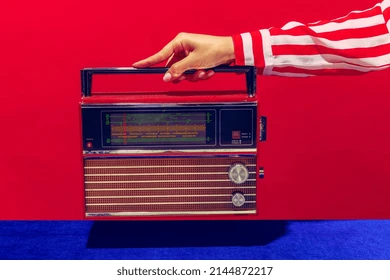
This voice actor could speak 300 words per minute and made millions for racetracks.
In today’s fragmented media landscape, where advertisers struggle to create memorable radio ads that cut through the noise, there’s an overlooked goldmine of techniques from the 1970s that deserve a second look. While modern marketing emphasizes measured delivery, authenticity, and conversational tones, vintage radio advertising employed a wildly different approach—one that was impossible to ignore and remarkably effective at driving immediate action.
The secret? A technique known as the “screamer.”
Act 1: The ‘Screamer’ Style That Commanded Attention
The 1970s represented a golden era for radio advertising, particularly for racetracks, car dealerships, furniture stores, and other businesses that needed to pack maximum information into 30 or 60-second spots. Unlike today’s radio landscape, where ads often blend into programming with subtle transitions and conversational delivery, these vintage ads announced themselves with unmistakable urgency.
The “screamer” technique wasn’t about literally screaming—though the energy level certainly approached it. Instead, it was a carefully orchestrated approach to radio advertising that combined several key elements:
Rapid-fire delivery: Voice actors delivered copy at speeds that would make modern announcers dizzy. Where contemporary radio ads typically clock in at 150-180 words per minute, screamer-style ads routinely hit 250-300 words per minute. This wasn’t mere speed-talking; it was a skill that required exceptional breath control, perfect diction, and the ability to maintain enthusiasm without sacrificing clarity.
Relentless enthusiasm: Every word carried weight and excitement. There were no throwaway lines, no casual asides. The entire spot maintained peak energy from the first syllable to the last, creating an sense of urgency that compelled listeners to pay attention.
Information density: These ads packed an incredible amount of detail into short time spans. A 60-second racetrack ad might include race times, ticket prices, featured horses or drivers, directions to the venue, parking information, special promotions, and multiple calls to action—all delivered with crystal clarity despite the breakneck pace.
Sonic distinctiveness: Screamer ads often featured production elements that made them stand out: reverb, echo effects, dramatic music stings, and sound effects that punctuated key points. They weren’t designed to blend in; they were engineered to interrupt whatever you were doing and demand your attention.
For racetracks in particular, this style proved phenomenally effective. Horse racing and auto racing venues needed to drive attendance for specific events on specific dates. Unlike brand-building campaigns that could unfold over months, racetrack advertising required immediate action. The screamer style delivered results because it created a sense of urgency and excitement that mirrored the experience of attending the races themselves.
These ads made millions for racetracks not through subtle persuasion but through sheer force of personality and information delivery. When a voice actor could convey enthusiasm, credibility, and critical details in rapid succession, listeners responded. The ads were memorable because they were impossible to tune out, and they drove ticket sales because they made the event sound unmissable.
Act 2: The Masters of the Microphone
Behind every great screamer ad was a voice actor with extraordinary talent. And none exemplified this style better than the legendary “Supermouth” Larry Huffman.
Huffman earned his nickname honestly. His ability to deliver 300 words per minute while maintaining perfect enunciation and infectious enthusiasm made him the most sought-after voice for high-energy radio advertising in Southern California during the 1970s and 1980s. He didn’t just read copy—he performed it with a showman’s flair that made every client sound like the most exciting opportunity listeners would ever encounter.
What separated Huffman and other master voice actors from mere fast-talkers was their understanding of rhythm and pacing. Despite the rapid delivery, these professionals knew exactly when to accelerate, when to emphasize, and when to give listeners a microsecond to process key information. They could make a list of race times sound like poetry and transform mundane details like parking lot locations into adventure.
The technique required more than natural talent. Voice actors like Huffman spent years developing:
Breath control: Speaking at 300 words per minute demands exceptional respiratory management. These performers could deliver long strings of information without audible breaths that would break the momentum.
Articulation precision: Every consonant had to be crisp, every vowel clear. At high speeds, the slightest sloppiness would render entire phrases incomprehensible.
Emotional modulation: Despite the rapid pace, great voice actors conveyed genuine excitement rather than mechanical delivery. They made listeners feel the thrill they were describing.
Script interpretation: These weren’t simply readers—they were interpreters who understood which words mattered most and how to shade meaning even at breakneck speeds.
Huffman’s success spawned numerous imitators, but few could match his combination of speed, clarity, and charisma. His voice became synonymous with California racetracks, and his ads were so distinctive that listeners could identify them within seconds. That brand recognition extended to the venues he represented, creating a halo effect that enhanced the perceived excitement of attending races.
The financial impact was substantial. Racetracks that employed Huffman and similar talent consistently saw attendance spikes following ad campaigns. The ads generated immediate response because they didn’t give listeners time to deliberate—they created impulse decisions driven by excitement and FOMO (fear of missing out, though that term hadn’t been coined yet).
Other voice actors who mastered this style became regional celebrities in their own right. Their voices were as recognizable as local television news anchors, and their association with products or venues lent credibility and excitement. When you heard that voice, you knew something worth your attention was being advertised.
Act 3: Adapting Vintage Techniques for Modern Campaigns
The obvious question for today’s marketing professionals: Can these techniques work in our contemporary advertising environment?
The answer is nuanced. While a straight reproduction of 1970s screamer-style ads would likely alienate modern audiences accustomed to more conversational approaches, the underlying principles remain remarkably effective when adapted appropriately.
Strategic energy deployment: Modern radio ads don’t need to maintain peak energy throughout the entire spot. Instead, use bursts of high-energy, rapid-fire delivery at strategic moments—particularly during special promotions, limited-time offers, or event announcements. This creates contrast that grabs attention without overwhelming listeners.
Controlled information density: While contemporary audiences may resist constant bombardment, they appreciate efficiency. Use accelerated delivery for listing multiple benefits, options, or features, then return to a normal pace for emotional appeals or calls to action. This technique works particularly well for retailers with multiple sale categories or events with various attractions.
Personality-driven copy: The screamer style succeeded because it had personality. Modern radio advertising often sounds interchangeable—bland announcers reading bland copy. Inject distinctive voice talent with recognizable styles, even if that style is more moderated than vintage screamers. Consistency builds recognition, and recognition builds response.
Urgency creation: Perhaps the most transferable element is the sense of urgency. Modern ads often fail to give listeners compelling reasons to act immediately. The screamer style made everything sound time-sensitive and unmissable. Contemporary campaigns can achieve similar effects through strategic use of pacing, vocal energy, and clear deadlines without resorting to full-throttle delivery.
Production distinctiveness: Vintage ads used reverb, echo, and sound effects liberally. While some of those techniques sound dated, the principle remains valid: your ad should be sonically distinctive. Whether through unique music beds, signature sound effects, or distinctive vocal processing, create audio branding that makes your spots instantly recognizable.
Testing fast delivery: For specific applications—event announcements, clearance sales, limited-time promotions—test genuinely fast-paced delivery against standard approaches. You may find that certain audiences and product categories respond enthusiastically to higher-energy approaches, particularly younger demographics accustomed to rapid-fire social media content.
Voice actor selection: Invest in talent that can deliver range and energy. The cheapest voice actor or the business owner reading their own copy rarely delivers optimal results. Professional voice talent who understand pacing, emphasis, and energy modulation will generate better response rates that justify their fees.
Format matching: Not every product or service suits high-energy advertising. Luxury goods, professional services, and healthcare typically require more measured approaches. But for entertainment, retail, automotive, and food service, adapted screamer techniques can cut through clutter effectively.
Several contemporary brands have successfully adapted these vintage techniques. Local car dealerships often employ faster-paced delivery during tent-sale events, creating urgency without crossing into parody. Sporting events and entertainment venues use bursts of high energy to convey excitement while maintaining modern sensibilities. Even e-commerce companies have found success with rapid-fire benefit lists delivered by talented voice actors.
The key is understanding your audience and matching energy to expectation. A vintage pure-screamer ad for a racetrack worked because the high-energy delivery matched the high-energy experience being advertised. Modern marketers should ask: Does my advertising energy level match my product experience?
The Lasting Legacy
Vintage radio advertising techniques like the screamer style made millions for racetracks and other businesses because they solved a fundamental problem: breaking through clutter to command attention and drive immediate action. While media consumption habits have evolved and audience expectations have shifted, those core challenges remain.
Modern advertisers struggle with the same issues their 1970s counterparts faced—too many messages, too little attention, too much competition. The solution isn’t necessarily to resurrect vintage techniques wholesale, but to understand the principles that made them effective and adapt those principles for contemporary contexts.
Larry Huffman’s 300-words-per-minute delivery worked not because speed itself was magical, but because it conveyed urgency, packed maximum information into limited time, showcased distinctive personality, and matched the excitement of the experience being advertised. Those objectives remain relevant for any radio campaign.
The next time you’re crafting a radio advertisement and struggling to create something memorable that cuts through noise, consider what made those vintage screamers so effective. You don’t need to speak 300 words per minute—but you might need more energy, more personality, more urgency, and more courage to sound distinctive rather than safe.
In an era of algorithm-driven targeting and data-optimized messaging, there’s something refreshingly human about radio advertising that succeeds through sheer force of personality and performance. The screamers understood that radio is theater of the mind, and they performed accordingly.
Their legacy deserves more than nostalgia—it deserves application.
Frequently Asked Questions
Q: What was the ‘screamer’ style of radio advertising?
A: The ‘screamer’ style was a high-energy radio advertising technique popular in the 1970s that featured rapid-fire delivery (250-300 words per minute), relentless enthusiasm, information-dense copy, and distinctive sonic elements. Despite the name, it wasn’t about literally screaming but rather delivering maximum information with maximum energy to command attention and create urgency.
Q: Who was ‘Supermouth’ Larry Huffman?
A: Larry Huffman, nicknamed ‘Supermouth,’ was a legendary voice actor who could speak 300 words per minute while maintaining perfect clarity and enthusiasm. He became the most sought-after voice for high-energy radio advertising in Southern California during the 1970s and 1980s, particularly for racetrack advertisements, and helped generate millions in revenue for his clients through his distinctive delivery style.
Q: Can vintage screamer techniques work in modern radio advertising?
A: While a direct reproduction of 1970s screamer ads would likely alienate modern audiences, the underlying principles remain effective when adapted appropriately. Modern marketers can use strategic bursts of high-energy delivery, controlled information density, personality-driven copy, and urgency creation while matching energy levels to audience expectations and product experiences.
Q: Why were screamer-style ads so effective for racetracks?
A: Screamer ads worked exceptionally well for racetracks because they created immediate urgency for time-specific events, conveyed the excitement of the racing experience through energetic delivery, packed essential details like race times and ticket prices into short spots, and made events sound unmissable. The high-energy style matched the high-energy experience being advertised, driving immediate ticket sales.
Q: What skills did voice actors need to master the screamer technique?
A: Voice actors needed exceptional breath control to speak rapidly without audible gasps, articulation precision to maintain clarity at high speeds, emotional modulation to convey genuine excitement rather than mechanical delivery, and script interpretation skills to emphasize key information effectively. These weren’t simply fast-talkers but trained performers who spent years developing these specialized skills.