
What Is a B2B Marketplace and How Does It Work
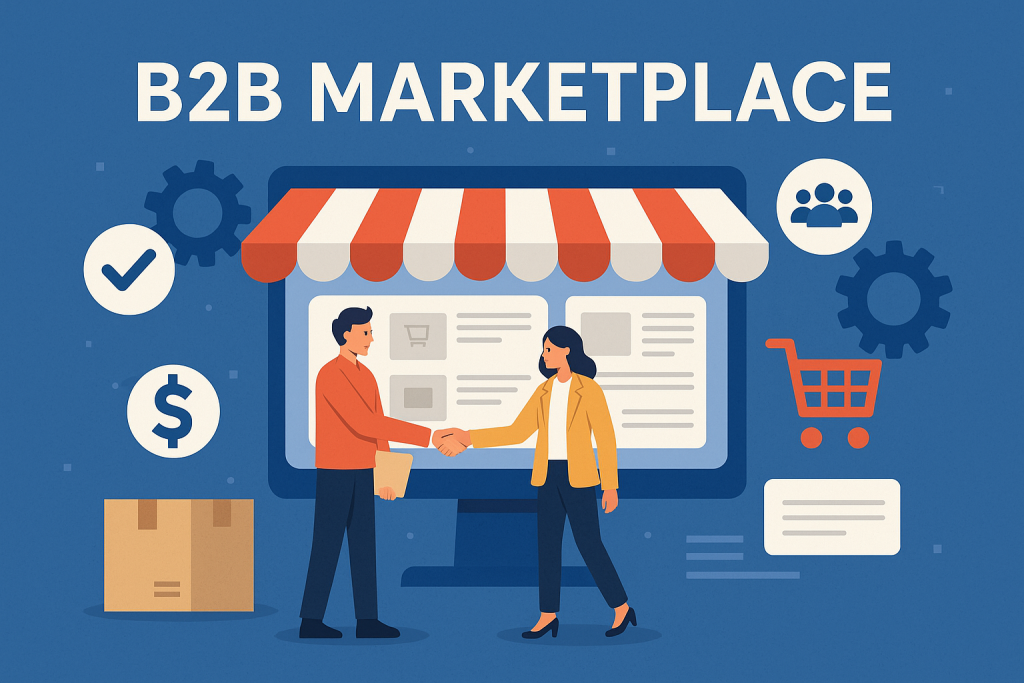
A B2B marketplace is where businesses buy and sell products or services from other businesses online. Think of it as the business version of Amazon, but designed for wholesalers, manufacturers, and distributors. At RoarEye Marketing, we help brands understand, build, and market their presence on these platforms.
A B2B marketplace platform simplifies the entire buying and selling process. It connects companies, speeds up procurement, and creates room for long-term relationships. From understanding the B2B marketplace business model to exploring popular B2B marketplace examples, you’ll see how these platforms shape the future of digital trade.
Understanding a B2B Marketplace Platform
A B2B marketplace platform is a digital system that connects multiple vendors with business buyers. It helps companies manage listings, orders, and payments from one dashboard.
Some of the best platforms, like Mirakl, OroMarketplace, and Shopify Plus, make it easy for sellers to showcase products, while buyers can filter, compare, and purchase.
A well-built B2B marketplace platform includes:
- Vendor dashboards for product and order management
- Secure payment options, including invoice and credit terms
- Integration with ERP, CRM, and logistics tools
- Real-time analytics for buyer behavior
At RoarEye, we help brands choose or build platforms that align with their sales goals. We also optimize the interface for easy navigation and SEO visibility.
Core features every platform needs
A great B2B marketplace platform must allow multiple vendors, offer scalable hosting, and support localized pricing and taxes. These features ensure global reach and a consistent user experience.
Examples of successful marketplace architectures
Platforms like Alibaba and Amazon Business prove that robust infrastructure attracts and retains thousands of vendors. They also show that performance and trust are essential for conversion.
How the B2B Marketplace Business Model Works
The B2B marketplace business model defines how the platform earns revenue. It also determines how sellers and buyers interact.
Common models include:
- Commission-based: The platform earns a percentage from each sale.
- Subscription-based: Sellers pay monthly or yearly to list products.
- Lead-based: Sellers pay to access verified buyer leads.
- Freemium: Basic listing is free; advanced features require payment.
Each model has pros and cons. Commissions scale with volume, subscriptions create predictable income, and freemium builds a user base fast.
At RoarEye, we analyze your target market and recommend the right revenue model. We also design marketing funnels that drive both sides, buyers and sellers, to your marketplace.
How to pick a sustainable model
Focus on your industry margins. For example, high-value industries like construction or manufacturing work best with lead or subscription models.
Mistakes new marketplaces make
Many startups ignore user trust and logistics. A B2B marketplace must ensure transparent pricing, verified vendors, and secure payments to grow sustainably.
Top B2B Marketplace Examples You Should Know
Let’s look at proven B2B marketplace examples and what makes them thrive.
- Alibaba: The global leader connecting millions of buyers and suppliers. It dominates manufacturing and wholesale sectors worldwide.
- Amazon Business: Focused on office supplies, tech equipment, and wholesale goods for enterprises. It leverages Amazon’s logistics and trust.
- IndiaMART: India’s largest B2B marketplace, helping local SMEs sell nationwide.
- Thomasnet: A trusted industrial marketplace connecting engineers with verified U.S. suppliers.
These platforms share three success drivers:
- Strong supplier verification
- Clear user experience
- Consistent trust through secure transactions
What these examples teach new startups
Start small, verify your vendors, and build buyer confidence before scaling.
How RoarEye helps replicate their success
We design growth plans for startups looking to build credibility fast through targeted marketing, SEO, and platform audits.
Why Every Business Needs a B2B Marketplace Strategy
Every business that sells in bulk or sources supplies benefits from a B2B marketplace strategy. It improves visibility, reduces costs, and builds customer loyalty.
Buyers get better prices and product variety, while sellers reach global markets without huge marketing costs. Digital marketplaces also enable automation, better analytics, and real-time payments.
At RoarEye, we help brands optimize listings, run targeted ads, and integrate SEO into marketplace profiles to drive conversions.
Internal linking suggestion: Connect this section to your RoarEye article on SEO management for eCommerce businesses.
Conclusion
A B2B marketplace is more than a platform; it’s a growth engine for modern trade. From understanding the B2B marketplace business model to studying B2B marketplace examples, it’s clear that marketplaces are reshaping how companies connect and scale.
With RoarEye Marketing, you can launch or grow your marketplace with confidence. We’ll help you attract vendors, reach buyers, and create digital systems that work.
FAQs
1. What is a B2B marketplace platform?
It’s an online platform that connects multiple businesses for buying and selling in bulk.
2. How do B2B marketplaces make money?
They use models like commissions, subscriptions, and lead-based fees.
3. What are examples of B2B marketplaces?
Alibaba, Amazon Business, IndiaMART, and Thomasnet.
4. Why should a business join a B2B marketplace?
It helps reach more buyers, reduce marketing costs, and streamline sales.
5. How can RoarEye help B2B brands?
RoarEye designs digital marketing strategies that grow visibility and sales on B2B platforms.