
Website Data Analytics: How to Collect, Analyze, and Optimize Your Web Presence
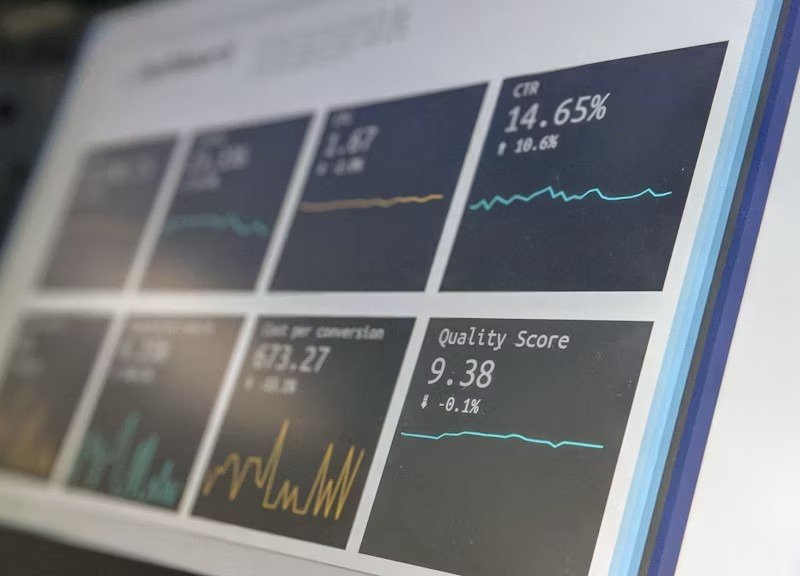
Leveraging website data is essential for businesses seeking to improve their online presence and drive meaningful results.
By implementing robust website data tracking, companies can monitor how visitors interact with their sites, identify trends, and uncover opportunities for growth.
Accurate tracking forms the foundation for informed decision-making, enabling brands to tailor content, design, and functionality to user needs.
To make sense of the vast amounts of information collected, employing reliable web analytics tools is crucial.
These tools provide actionable insights into metrics such as page views, bounce rates, traffic sources, and conversion patterns, helping organizations understand the effectiveness of their strategies.
Equally important is user behavior analysis, which focuses on how visitors navigate your website, what content they engage with most, and where they drop off.
Understanding these patterns allows businesses to optimize user experiences, improve engagement, and ultimately increase conversions.
Understanding Website Data and Its Importance
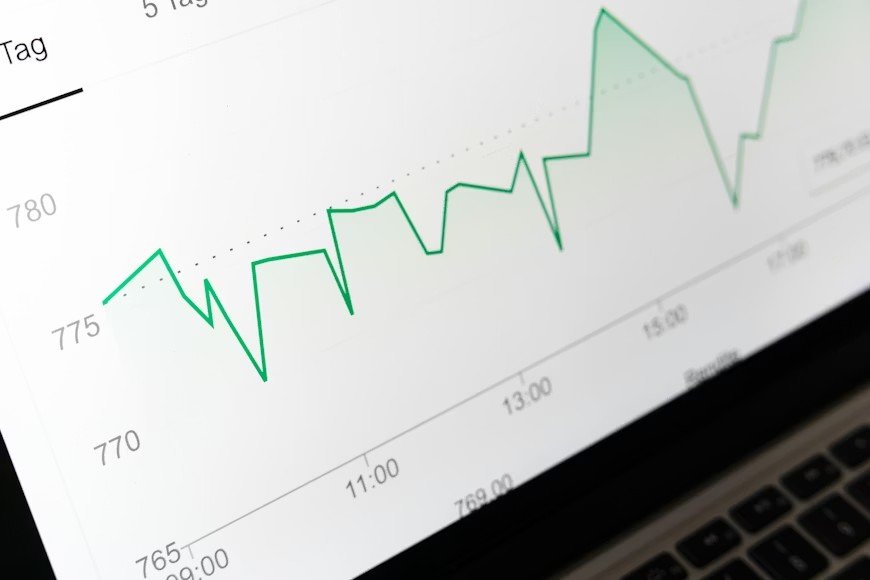
Website data refers to all the information collected from user interactions on your site, including page views, clicks, time spent, and conversion events.
Understanding this data is crucial because it provides insight into how visitors engage with your content, which pages perform best, and where improvements are needed.
Effective use of website data allows businesses to make informed decisions, identify gaps in the user experience, and optimize marketing strategies.
Without tracking and analysis, companies risk guessing what works which often leads to wasted resources and missed opportunities.
Effective Website Data Tracking Methods
Implementing website data tracking begins with defining clear goals.
Determine what user actions matter most which could be form submissions, purchases, newsletter signups, or page visits. Set up tracking mechanisms accordingly.
Below are common tracking methods to note
- Google Analytics Tracking Codes
This measures user sessions, traffic sources, and conversion paths.
- Event Tracking
It monitors specific interactions, like button clicks or video plays.
- Heatmaps and Session Recordings
Visualize where users click, scroll, and spend time.
Accurate website data tracking ensures that every user action is captured, providing a reliable foundation for analysis and optimization.
Top Web Analytics Tools for Insights
To make sense of collected data, taking advantage of web analytics tools is essential.
These tools help businesses measure performance, identify trends, and extract actionable insights.
Popular options include:
- Google Analytics 4 (GA4): Offers comprehensive traffic and conversion tracking.
- Hotjar: Provides heatmaps, session recordings, and user feedback tools.
- Mixpanel: Focuses on detailed user behavior analytics for web and mobile.
When these web analytics tools are used right, businesses can turn raw data into strategic insights that drive smarter decisions and improve website performance.
Analyzing User Behavior for Better Decisions
User behavior analysis examines how visitors interact with a website, revealing patterns that inform optimization strategies.
By tracking navigation paths, clicks, scrolls, and exit points, businesses can identify areas where users struggle and optimize accordingly.
Key techniques include:
- Segmenting users by behavior, location, or device.
- Identifying high-performing content and pages with high bounce rates.
- Monitoring conversion funnels to detect drop-offs and bottlenecks.
When combined with website data tracking and insights from web analytics tools, user behavior analysis enables organizations to make informed, user-centric decisions that enhance engagement and conversions.
Optimizing Your Website Using Data Insights
Data-driven website optimization uses insights from tracking and analysis to improve performance.
Strategies include:
- Enhancing page load speeds for better user experience.
- Updating content based on popular pages and search queries.
- Refining navigation and layout according to user behavior.
- Testing different designs and features using A/B testing.
With these tips, businesses can create a website that both ranks well and also converts visitors into loyal customers.
Final Thoughts
Through precise website data tracking, the right web analytics tools, and detailed user behavior analysis, companies can optimize their websites, improve user experiences, and make strategic, data-driven decisions.
The result is a stronger digital presence, higher engagement, and measurable growth.
Frequently Asked Questions
- What is Website Data?
Website data refers to all the information collected from user interactions on your website, including page views, clicks, time spent, and conversion actions.
It helps businesses understand visitor behavior and website performance.
- Why is Website Data Tracking Important?
Website data tracking allows businesses to monitor user interactions, measure the success of marketing campaigns, and identify areas for improvement.
Accurate tracking provides the foundation for informed, data-driven decisions.
- What Are the Best Web Analytics Tools?
Popular web analytics tools include Google Analytics 4 (GA4) for traffic and conversion tracking, Hotjar for heatmaps and session recordings, and Mixpanel for detailed user behavior insights.
These tools help to turn raw data into actionable strategies.
- How Does User Behavior Analysis Help My Website?
User behavior analysis reveals how visitors navigate your site, which content they engage with most, and where they drop off.
This insight enables businesses to optimize layouts, content, and calls-to-action for better engagement and conversions.